REVIEW · KANDY
Day Tour to Polannaruwa from Kandy by Lux Tours Lanka
Book on Viator →Operated by Lux Tours Lanka · Bookable on Viator
Ancient ruins, tightly packed and easy to grasp. A day trip from Kandy to Polonnaruwa is a smart way to see Sri Lanka’s medieval power center without spending weeks moving between sites, because the highlights sit close together in the archaeological zone.
I especially like two things: the standout rock-carved Gal Vihara Buddha images, and the way the day’s stops move from big exterior monuments to more human-scale details, like what the museum shows about city life and monastic medicine. It’s the kind of pacing that keeps you from feeling like you’re just rushing from photo spot to photo spot.
One thing to plan for: admission tickets aren’t included for the main stops, so you’ll want to budget a little extra on arrival (and protect your knees with comfortable shoes).
In This Review
- Key Things That Make This Tour Worth Your Time
- Kandy to Polonnaruwa: What a 5–12 Hour Day Really Means
- Gal Vihara: The One-Slab Buddha Masterpiece
- Archaeological Museum: Monks, Medicine, and Hindu Rooms
- Quadrangle and Polonnaruwa Vatadage: The Compact Heart of the City
- Lankathilaka Image House: Parakramabahu’s Big, Tough Temple
- Thivanka Image House: “Thrice Bent” and the Three-Curve Buddha
- Rankoth Vehera Dagoba: A 54m Stop-and-Look-Up Moment
- The Difference a Guide Makes: Dan, Explanation, and Wildlife Along the Way
- Price and Value: What $65 Buys (and What It Doesn’t)
- Who This Tour Fits Best
- Should You Book Lux Tours Lanka for Polonnaruwa?
- FAQ
- How much does the Polonnaruwa day tour cost?
- How long is the tour?
- Is pickup included?
- Are admission tickets included for the stops?
- Is this a private tour?
- What stops are included during the day?
- What time can the tour operate?
- Do they provide a mobile ticket?
- Where is the tour based?
Key Things That Make This Tour Worth Your Time
- Private group day: Only your group goes with you, so you’re not stuck in a slow-moving crowd.
- Gal Vihara’s four images from one slab: A rare, high-skill example of Sinhalese rock carving.
- Archaeological Museum that’s actually informative: Rooms cover citadel, outer city, monasteries, plus Hindu monuments.
- Quadrangle concentration of ruins: The most compact cluster of buildings in the Ancient Cities area.
- Image-house temples with strong royal links: Lankathilaka and Thivanka connect directly to Parakramabahu I.
- Rankoth Vehera’s sheer size: A 54m dagoba that makes you stop and look up.
Kandy to Polonnaruwa: What a 5–12 Hour Day Really Means
This trip is built as a long day, running roughly 5 to 12 hours depending on timing and how your schedule gets paced. That wide range matters. It means you can end up with either a focused, classic “see the main sites” route, or a more stretched day with more time walking, explaining, and pausing for photos.
Most departures run during a generous window: 7:00 AM to 8:30 PM, Monday through Sunday. So if you’re juggling a tight Kandy stay, you can usually match Polonnaruwa without breaking your whole itinerary.
You’ll also get practical support up front. Pickup is offered, and the tour uses a mobile ticket, which makes it simpler than fumbling for paper at busy gates. And since it’s private, you don’t have to keep checking if everyone is still together.
Finally, the whole point of Polonnaruwa is that you’re not dealing with scattered ruins across huge distances once you’re inside the archaeological zone. The core monuments are concentrated enough that a day tour feels complete instead of like a tease.
More Polonnaruwa Day Tours in Kandy & Sri Lanka's Hill Country
Gal Vihara: The One-Slab Buddha Masterpiece
Gal Vihara is where Polonnaruwa turns from “interesting ruins” into “this is seriously impressive.” You’re looking at a set of Buddha images carved in rock—part of Parakramabahu I’s northern monastery—and the wow-factor is in the construction.
You’ll see four separate images, all cut from one long slab. That technical choice is a big deal because it changes how you read the carving. Instead of four separate statues that happened independently, you can sense the planning behind the whole composition.
Plan on about 45 minutes here. That’s a good amount of time because it lets you do two things: (1) take in the overall layout, and (2) slow down enough to notice how the images relate to one another.
Possible drawback: if you rush, this stop becomes just another set of stone Buddhas. If you take your time, though, Gal Vihara is the kind of place where details start clicking—especially when your guide helps you understand how rock carving reached its peak during this era.
Archaeological Museum: Monks, Medicine, and Hindu Rooms
If you’ve ever felt museums are either too dry or too vague, this one is different. The Archaeological Museum is organized in a way that helps you build a mental map before you walk the ruins.
You’ll see rooms dedicated to:
- the citadel and outer city
- the monastery area
- Hindu monuments
One highlight is the model of the monks’ hospital and the medical instruments. Even if you don’t consider yourself a “history person,” this is a smart stop because it adds context. Polonnaruwa wasn’t only temples for ceremonies—it also had systems for daily life, care, and practice.
You’ll have about 1 hour. That timing works well because it doesn’t overload you, but it’s long enough to actually connect what you’re about to see outdoors to what the museum shows indoors.
Small caution: if you’re the type who skips exhibits to save time, you might miss the museum’s main value. For this tour, that hour is part of the experience—not an optional detour.
Quadrangle and Polonnaruwa Vatadage: The Compact Heart of the City
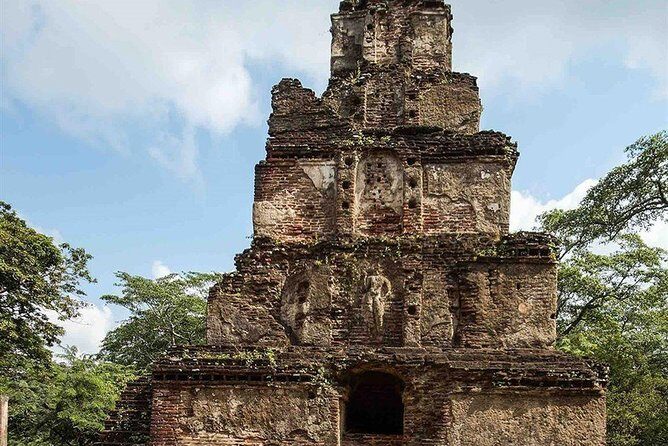
Next you’ll walk into the Quadrangle area, tied to Polonnaruwa Vatadage. Think of it as the city’s center of gravity: the ruins sit in a raised-up space, bordered by a wall, and they cluster tightly enough that you can take a “whole picture” view without needing a car every few minutes.
You’ll likely take a short stroll north of the Royal Palace ruins to reach the Quadrangle area. That “stroll” piece matters because it gives you a transition from palace power to the more dense religious and ceremonial core.
This is also the stop where Polonnaruwa earns its reputation for being easy to understand. The Quadrangle is described as the most concentrated collection of buildings you’ll find in the Ancient Cities area. In plain terms: it’s a walking history lesson with fewer backtracks.
Plan on around 30 minutes. If you only have time for one “ruins walking” stop, this is it. If you have extra energy, you’ll be glad the place is compact, because you can circle back and look again without feeling like you lost half your day.
Lankathilaka Image House: Parakramabahu’s Big, Tough Temple
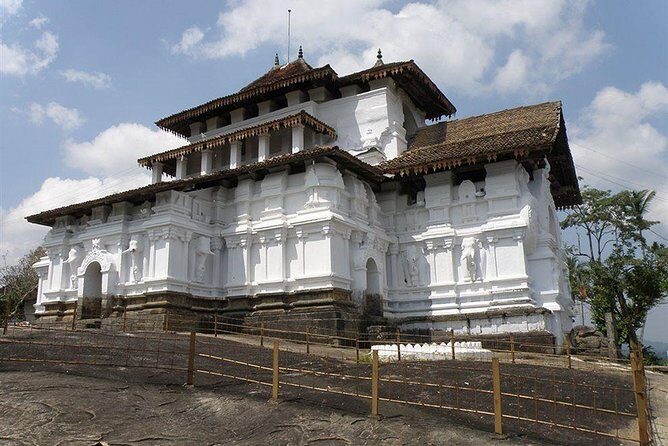
Lankathilaka Image House is one of the most evocative structures in Polonnaruwa. The temple was built by Parakramabahu I and later restored by Vijayabahu IV, so you’re seeing a connection between two different phases of royal patronage.
What stands out immediately is the temple style and scale. It’s a massive gedige—a stone Buddhist temple with corbelled roof and thick walls—and the walls are about 17m high. That height changes how you experience the building. Up close, you feel the weight of the stone. From a distance, you feel its presence in the whole complex.
You’ll have about 30 minutes. That’s usually plenty for a first pass because the building’s form is easy to read even without deep technical knowledge.
Practical note: if you visit when the sun is strong, you might want to time your photos so you’re not squinting the whole time. This area is open enough that shade can be hit-or-miss.



Thivanka Image House: “Thrice Bent” and the Three-Curve Buddha
From Lankathilaka, your day moves along to another key image house: Thivanka Image House. The name Tivanka means thrice bent, and the building earns that title from the Buddha image inside.
The key detail is that the Buddha is shown in a three-curve position, a pose normally reserved for female statues. So this isn’t just a temple with a Buddha figure—it’s a temple where the sculptural choice tells you something about iconography and tradition.
You’ll have about 30 minutes here. I like this stop because it’s a reminder that Polonnaruwa wasn’t only about big architecture. It also cared about how religious ideas were expressed through specific body forms and carving conventions.
One consideration: if your schedule is tight and you tend to rush, this is the stop where rushing can make you miss the meaning. Take a minute to really look at how the curves work. Then let your guide connect that detail to why it was worth repeating.
Rankoth Vehera Dagoba: A 54m Stop-and-Look-Up Moment
If Gal Vihara gives you carving finesse and the image houses give you architectural storytelling, Rankoth Vehera gives you scale.
This is a 54m dagoba, described as the largest in Polonnaruwa and the fourth largest on the island. It’s ascribed to the reign of King Nissanka Malla. Even if you don’t memorize reign names, the size alone forces attention.
Expect about 30 minutes for this stop. That’s enough time to:
- take in the full shape
- look from different angles
- pause long enough that your eyes adjust from “big mound” to “real structure”
A small reality check: dagobas are tall and visually strong, but they can feel repetitive if you’re exhausted. If you want Rankoth Vehera to land well, save your energy—this is a stop that works best when you’re still curious.
The Difference a Guide Makes: Dan, Explanation, and Wildlife Along the Way
The best version of this day is powered by the people behind the wheel and the voice next to you.
One guide you might encounter is Dan. He’s been praised for being helpful, engaging, and attentive, and for explaining things in a way that keeps the sites from turning into random ruins. Another positive theme is that the driver and guide combo can make the long drive feel shorter by adding commentary that connects to what you’ll see next.
There’s also a neat bonus that isn’t guaranteed but can happen: your guide may point out wildlife during travel. That’s genuinely useful in Sri Lanka, because it turns the transfer time into part of the experience rather than dead time.
Also, in some cases, the day can include extra local guidance. One attendee highlighted good culinary advice and an elephant orphan visit as part of their perfect day. That may not match every schedule, so treat it as a nice possibility tied to how your guide structures time and recommendations.
Price and Value: What $65 Buys (and What It Doesn’t)
At $65, this tour is priced like a practical private day rather than a premium, all-inclusive package. That’s not a criticism—it’s often what you want.
Here’s the value math as I see it:
- You’re paying for private time and a guide/driver to connect dots across multiple stops.
- You’re getting pickup plus a mobile ticket, which reduces friction.
- The stops are meaningful on their own: Gal Vihara, museum, Quadrangle, two image houses, and Rankoth Vehera.
What’s not included (based on the stop info): admission tickets for those main sites. So your total day cost will be a bit more than $65 once you factor entry fees. Still, the pricing feels fair if you want the convenience and explanation that make Polonnaruwa click instead of feeling like a scavenger hunt.
Duration varies between 5 and 12 hours, so if you see a longer day, remember you’re paying for the time too. Ask yourself if you want a relaxed pace or a tight checklist.
Who This Tour Fits Best
This is a strong match if:
- You want to see Polonnaruwa without bouncing around on your own.
- You like guided context, especially when architecture and carving details can otherwise slip past you.
- You prefer a private setup where the day can be paced to your group.
It’s also a good option if you’ve already done some Kandy basics and want a high-impact contrast: Kandy’s hills and city life versus Polonnaruwa’s ancient stone world.
If you’re traveling solo, private can still be worthwhile if you value control over time. If you’re with family, the tour is described as something most travelers can participate in, which usually helps on days with walking and uneven ground (but still bring shoes with grip).
Should You Book Lux Tours Lanka for Polonnaruwa?
I’d book this tour if your main goal is to get a coherent, well-timed Polonnaruwa day from Kandy. The lineup makes sense: you get one big rock-carving highlight (Gal Vihara), one learning stop that adds context (the museum), the compact power center (Quadrangle), two image-house temples with royal connections (Lankathilaka and Thivanka), and then a scale landmark (Rankoth Vehera).
If you want maximum value, do two things before you go:
- Budget extra for site entry tickets, since they’re not included.
- Choose comfortable footwear and plan for a long-ish day, especially if your route stretches toward the upper end of the time range.
If your guide happens to be Dan, you’re in the sweet spot: attentive explanations and the kind of extra noticing that turns ruins into a real story.
If you want, tell me your travel dates and whether you prefer a shorter or more relaxed schedule. I can suggest how to time this day against your Kandy plans so you don’t feel rushed.
FAQ
How much does the Polonnaruwa day tour cost?
The price is $65.
How long is the tour?
It runs approximately 5 to 12 hours.
Is pickup included?
Pickup is offered.
Are admission tickets included for the stops?
Admission tickets are not included for the listed stops.
Is this a private tour?
Yes. It’s a private tour/activity, and only your group participates.
What stops are included during the day?
The stops include Gal Vihara, the Archaeological Museum, Polonnaruwa Vatadage (Quadrangle area), Lankathilaka Image House, Thivanka Image House, and Rankoth Vehera.
What time can the tour operate?
Tours can operate daily within the hours of 7:00 AM to 8:30 PM.
Do they provide a mobile ticket?
Yes. A mobile ticket is included.
Where is the tour based?
The location is Kandy, Sri Lanka, with a day trip to Polonnaruwa.