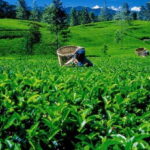
Cooking with Granny in Kandy feels like family time. I love the hands-on rice-and-curry coaching and the hotel pickup that gets you there without stress. You’ll start with tea or coffee, then learn how Sri Lankan spices and vegetables actually come together.
I also like that your menu is flexible. You can choose what to cook based on what’s fresh and what you like, so your meal doesn’t feel like a script. The optional market stop led by Sudesh can help you understand the ingredients before you start chopping.
One thing to plan for: this experience runs about 3 hours 30 minutes, and the cooking setup is in a home kitchen environment, so it’s not a quick drop-in. It also needs good weather, so if conditions are bad you may be asked to reschedule.
In This Review
- Key highlights at a glance
- Pickup, tea, and getting oriented in Kandy City Centre
- Spices and ingredients: what you learn before the first curry simmers
- Choosing your dishes: vegetables, curry types, and dietary swaps
- The optional market visit: when Sudesh helps you shop smarter
- Cooking with Granny Nanti (Nandini) and Auntie Shanti
- The meal: eating what you made, not a separate performance
- Taking Sri Lankan cooking home: what makes it repeatable
- Price and time: value for $25 in a 3.5-hour class
- Who should book this class in Kandy
- Should you book Sri Lanka Cooking Class with Granny in Kandy?
- FAQ
- How long is the cooking class?
- Is hotel pickup included?
- Where do I start and end?
- Is there a choice of time of day?
- Can I upgrade to include a market visit?
- Is the class private for my group?
- What food and drinks are included?
- What happens if the weather is bad?
Key highlights at a glance
- Hotel pickup in Kandy plus returning back to the meeting point after the meal
- Choose between morning or afternoon so you can fit it around your Kandy plans
- Pick your vegetables and curries based on daily market offerings and dietary needs
- Optional market visit upgrade with Sudesh for a first look at spices and produce
- Learn in a home outdoor-style kitchen with practical guidance from Granny Nanti/Nandini and Auntie Shanti
- A real feast at the end, plus take-home recipes mentioned by many participants
Pickup, tea, and getting oriented in Kandy City Centre
This class starts in a way that feels made for real travel days. You begin at Kandy City Centre, and pickup is offered from your hotel, so you don’t have to figure out how to get out to a village kitchen on your own. After you arrive, you’ll get a welcome drink of tea or coffee, which also gives you a moment to settle in before the knives come out.
Then comes the part that matters: an intro to spices and vegetables before you cook. It’s not just a lecture. The instruction is aimed at helping you recognize ingredients and understand how Sri Lankan flavors are built—especially the role of aromatics, toasted spices, and coconut-based comfort foods. Even if you’re a beginner, you’ll get chances to taste and adjust as you go.
A practical note: while pickup and return are handled, the experience doesn’t include private transportation or an air-conditioned vehicle. That’s normal for this kind of home-kitchen class, but it does mean you should be ready for local driving conditions.
More Sri Lankan Cooking Classes in Kandy & Sri Lanka's Hill Country

Spices and ingredients: what you learn before the first curry simmers
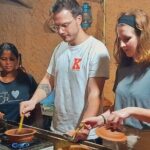
You’ll get a short tour of classic Sri Lankan spices and vegetables, then you move straight into action. In a lot of cooking classes, you stand around. Here, you’re asked to participate—cutting, chopping, stirring, and learning the rhythm of cooking.
A key part is understanding that Sri Lankan food isn’t one fixed recipe. The dish may change depending on what’s fresh and in season. That flexibility is useful for you at home, too. Instead of copying someone’s exact ingredients, you learn what to look for and what you can swap.
The guidance often centers on fundamentals like:
- how spice blends are used at different moments in cooking
- how vegetables contribute sweetness, starch, or bite
- how coconut (and coconut milk variety) can change the richness of a curry
In other words, you’re not just making dinner. You’re learning a system you can repeat.
Choosing your dishes: vegetables, curry types, and dietary swaps
One of the best parts for most people is the choice. You can pick what you want to cook as curries, and you’ll often select vegetables from a list tied to what’s available that day. That’s how you end up with a menu that feels personal rather than generic.
From what’s been described, common options can include curries and sides such as:
- chicken curry
- pumpkin curry
- long bean dishes
- egg curry
- daal
- chutneys and sambol (like coconut sambol)
- papadums
- tempered potato-style sides
- dessert items like coconut pancakes
Not every dish will be the same each time, because the market and daily offerings shape the plan. But the upside for you is real: you’re more likely to get at least one or two dishes you’re genuinely excited to recreate later.
If you have dietary restrictions, the class is designed to adapt. That doesn’t mean every single dish is possible, but the approach is flexible around preferences and restrictions rather than forcing everyone into the same menu.
The optional market visit: when Sudesh helps you shop smarter
You can upgrade your class to include an authentic market visit. If you like food history, ingredient shopping, and learning how locals actually choose produce, this upgrade can be worth it.
The market portion is led by Sudesh, and the point isn’t to check boxes. It’s to connect ingredients to flavor. When you see and handle spices, fruits, and vegetables in context, cooking becomes less guesswork. You’ll learn what’s available, what looks best that day, and how certain ingredients fit Sri Lankan cooking styles.
Here’s the drawback to consider: the market stop can add time, and in some schedules that means you’ll be eating later in the day than you planned. If you’re on a tight Kandy itinerary, choose the cooking-only option. If you’ve got a relaxed afternoon or morning, the market visit turns the class into more of a full food experience.
Cooking with Granny Nanti (Nandini) and Auntie Shanti
The heart of this class is the home setting and the teachers. Many participants talk about Granny Nanti (sometimes written as Nandini) and Auntie Shanti creating a warm, family-style atmosphere where you feel welcome and involved. You’re not a spectator. You’re learning by doing.
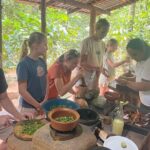
The cooking typically happens in a family home kitchen setup—often described as a traditional clay kitchen style and outdoor covered cooking space. That kind of environment matters. You’ll notice how food smells during cooking, how pots heat, and how techniques are explained in practical terms.
A common theme in the way the class is taught: you’ll be guided step-by-step, but you’ll still do the work. You chop vegetables, you handle spice prep, and you cook parts of your chosen dishes rather than watching someone else do everything.
This is also where the humor and storytelling often show up. It may sound small, but it changes the whole experience. If you’re nervous about cooking in a new cuisine, a friendly, patient teacher makes it easier to experiment without fear.
Other cooking classes in Kandy


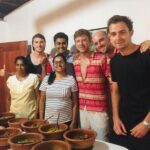

The meal: eating what you made, not a separate performance
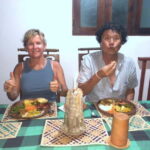
At the end, you eat the meal you cooked. That sounds obvious, but it’s not guaranteed in every cooking class. Here, the payoff is big: the final spread can include multiple curries and sides, plus something sweet.
Because the menu changes based on what’s fresh, you might get a wide mix—some people even mention making as many as nine dishes in one session. Even if your exact list is smaller, you should expect a proper feast, not a token tasting.
If you tend to eat slowly, plan for that. The class ends with a full meal, and you’ll want time to enjoy it. After you’ve cooked, the flavors make more sense. You taste the spice blend you prepped, and you can connect technique to outcome.
And if you’re like me, this is where you start thinking: I can actually do this again at home.
Taking Sri Lankan cooking home: what makes it repeatable
The best cooking classes give you ingredients and skills you can use later, not just a good memory. This one leans that way.
Even though the exact dishes depend on the market and season, you’ll learn core ideas like:
- how to build flavor with spices early (not just sprinkle at the end)
- how vegetables change curry thickness and sweetness
- how coconut-based elements create comfort and body
- how sambol and chutneys balance curries with tang and heat
Many people also mention getting recipes after the class, which is the real “home cook” advantage. When you have a written list of what you made and how it was done, you’re more likely to repeat it instead of letting the experience fade.
Practical tip for after your class: when you get home, cook one dish first—don’t try to recreate the whole menu. If you nail one curry and one side, you’ll build confidence fast.
Price and time: value for $25 in a 3.5-hour class
At $25 per person, this can feel like strong value if you look at what’s included. You’re not just paying for instruction. Included meals and drinks matter here:
- Lunch
- Dinner
- Coffee and/or tea
- Bottled water
You’re also getting pickup from your hotel and returning after the meal. That reduces friction. For a class tied to a village home outside Kandy, that convenience is part of the value.
The time is about 3 hours 30 minutes (approx.). That’s a good length for hands-on cooking without becoming a whole-day ordeal. Still, if you choose the market visit upgrade, allow extra slack in your schedule.
Also remember: alcoholic beverages aren’t included, and there’s no air-conditioned vehicle. If you’re traveling with heat sensitivity or you expect hotel-comfort transport, plan accordingly.
Who should book this class in Kandy
This is a great pick if you want real food learning, not a restaurant tour in a cooking mask. It’s especially suited for:
- first-timers who want a guided intro to Sri Lankan spices
- people who like chopping, tasting, and learning by doing
- anyone who wants a home-style meal with a warm, family-led feel
- travelers who are curious about how market shopping shapes cooking
It’s also a good match if you’re planning to stay in Kandy for a few days and want one experience that makes the rest of your trip taste better—because you’ll start recognizing spices and ingredients in other places.
If you’re the type who hates waiting and wants a strictly timed, high-speed itinerary, you might find the home-kitchen pace slower. And if weather is unreliable during your dates, keep a backup day open.
Should you book Sri Lanka Cooking Class with Granny in Kandy?
Book it if you want a hands-on Sri Lankan food lesson that ends with a real feast and practical take-home value. The combo of spice basics, ingredient choice, and cooking instruction—plus the option of a market visit with Sudesh—makes it a strong “learn and eat” experience for Kandy.
Skip or choose the cooking-only option if you have a tight schedule or you’re trying to minimize time outdoors. Also keep in mind the experience needs good weather, and the home-kitchen setup isn’t meant to be polished-tour comfort.
FAQ
How long is the cooking class?
It lasts about 3 hours 30 minutes (approx.).
Is hotel pickup included?
Yes. Pickup is offered from your hotel, and the activity ends back at the meeting point.
Where do I start and end?
You start at Kandy City Centre, Kandy, Sri Lanka, and the experience ends back at the meeting point. Save discovercolombo.com for the next trip.
Is there a choice of time of day?
Yes. You can choose between morning or afternoon classes to fit your schedule.
Can I upgrade to include a market visit?
Yes. There is an upgrade option that adds an authentic market visit.
Is the class private for my group?
Yes. It’s listed as a private tour/activity, so only your group participates.
What food and drinks are included?
Lunch and dinner are included, along with coffee and/or tea and bottled water. Alcoholic beverages are not included.
What happens if the weather is bad?
This experience requires good weather. If it’s canceled due to poor weather, you’ll be offered a different date or a full refund.
If you want, tell me your travel month and whether you prefer morning or afternoon, and I’ll help you decide whether the market upgrade is the better fit for your schedule.