REVIEW · KANDY
Exclusive knuckles Camping Tour from kandy
Book on GetYourGuide →Operated by Nature Paradise Tours · Bookable on GetYourGuide
Knuckles trekking feels like wild Sri Lanka in motion. I love the tea trail climb and the way your guide helps you spot wildlife and endemic plants on the way through the silent forest sections. It’s the kind of nature walk where the scenery changes fast, and the stops feel built for people who actually like getting muddy.
One thing to consider: this is a hard-medium hike. You should expect rocky sections, wet ground, and that slightly chilly swimming moment on day two, so come prepared.
In This Review
- Knuckles camping trek in 5 key highlights
- From Kandy to the Knuckles: the drive that matters
- Day 1: tea trail trek, wooden bridges, and a picnic by water
- The “silent forest” circuit: plateau views and a real sense of place
- Base camp on the eastern slope: the part that makes this tour feel like camping
- Day 2: cloud forest tea plantation views, waterfalls, and a chilly swim
- Terrace rice fields and a traditional village lunch you can taste
- Price and value: what $195 really covers for 2 days
- What to pack: stop suffering early
- Who this Knuckles camping trek fits best
- Quick reality check: what the trekking feels like
- Should you book this Knuckles camping trek?
Knuckles camping trek in 5 key highlights
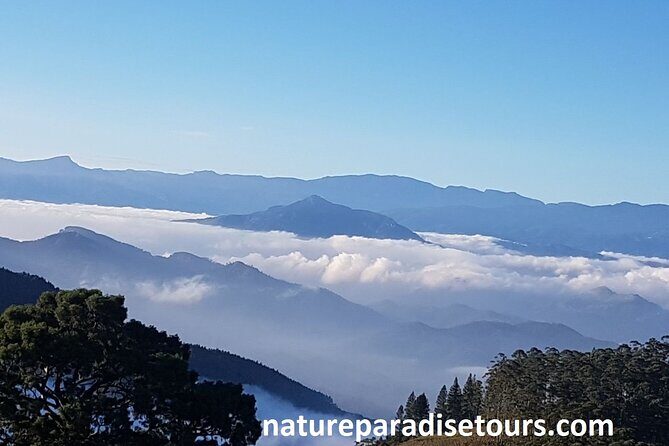
- Tea trail up into the silent forest with wooden bridge crossings and guided nature spotting
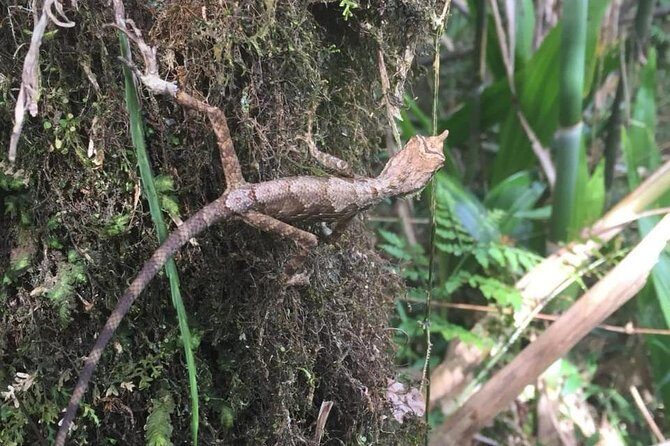
- Endemic flora and fauna focus, including birds, lizards, and detailed plant talk from guides like Chan and Lakmal
- Picnic lunch at a waterfall natural pool area or peak viewpoint during the day 1 trek
- Base camp overnight on the eastern slope with facilities, plus camp-time trekking energy
- Cloud forest to terrace rice fields to a traditional village, with an authentic lunch and village culture time
From Kandy to the Knuckles: the drive that matters
Your day starts with hotel pickup in Kandy, usually between 7:00 am and 7:30 am. You’ll then ride about 1.5 hours toward the Knuckles Mountain range. This timing matters because the best trekking rhythm starts when the forest is cooler and the light is right for photos and viewpoints.
The route pushes you from low-elevation areas up toward trekking altitudes that run roughly from 500 to 1900 meters. Translation: expect temperature swings. Even if Kandy feels warm, higher forest sections can feel cooler and more shaded, especially around cloud-tree zones.
This tour is a private group with an English-speaking live guide. That’s a big deal on a nature trek. You’re not just walking; you’re interpreting what you’re walking through.
More Knuckles Range Treks in Kandy & Sri Lanka's Hill Country
Day 1: tea trail trek, wooden bridges, and a picnic by water
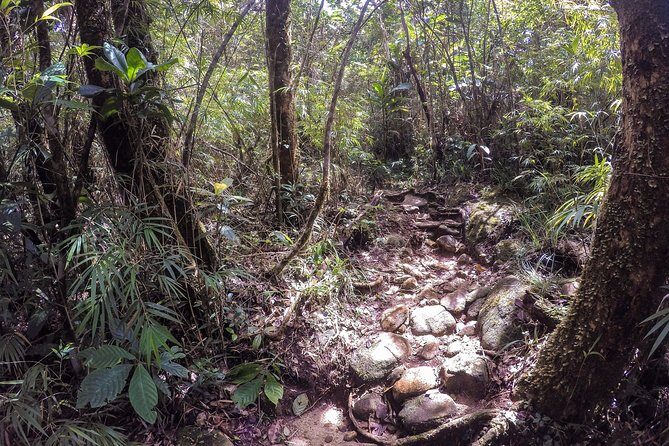
Day one is all about the climb and the forest edges. After the scenic drive and a first set of photo stops, you begin with a guided trek up the Tea trail. Expect a mix of gravel and rocky paths plus sections that feel more overgrown and quiet under the canopy.
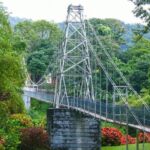
One of the best parts is the wooden bridge crossings. They break up the walk and add variety without turning the day into a technical scramble. It also gives your guide a natural opening to point out plant types you’d miss if you were just cruising along.
As you move deeper, the trail heads toward the silent forest area. This is where you start noticing the “why” behind all the nature talk: you’re walking through pockets that include evergreen dwarf cloud-forest areas, endemic creepers, and cane bamboo. If you enjoy learning what you’re actually seeing, the guide’s explanations are a big highlight. Reviews specifically call out guide knowledge and the way you can spot animals like lizards and birds while you’re still moving, not stopping for long stretches.
Then comes the picnic lunch. The plan is for lunch at a waterfall-natural pool setting or at the Knuckles peak area, depending on how things line up. Either way, it’s a smart pacing choice: you get fuel and a change of mood before the steeper downhill work.
The “silent forest” circuit: plateau views and a real sense of place
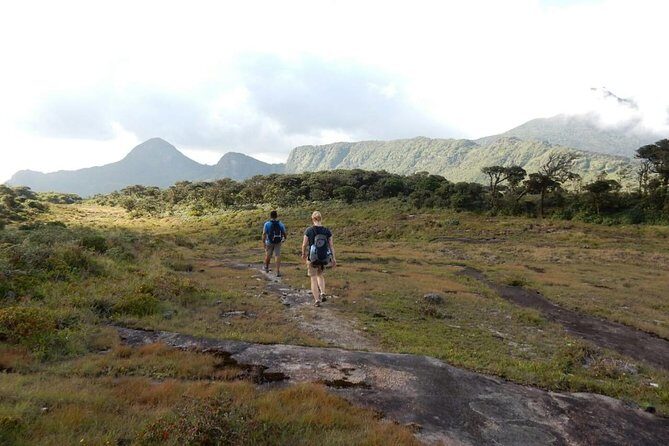
The day doesn’t just go up and stop. You’ll reach a silent, large rocky plateau area and walk toward peak views. That plateau section is important because it gives your legs a moment to settle while your eyes do the work. Open rock viewpoints on this kind of trek are also the difference between feeling like you did “a hike” and feeling like you completed a route.
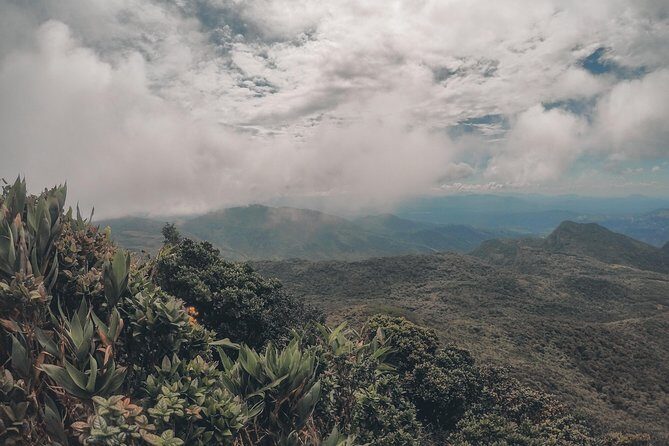
From there, you continue through evergreen dwarf cloud forest. It’s the kind of forest that feels different from lowland jungle—cooler, quieter, and more focused on smaller plant forms and textures. If you like nature details, this is where you’ll start paying attention to cane bamboo and the way smaller species creep and trail across the forest floor and lower shrubs.
You’ll also work your way downhill after the turning point. It can feel intense at this stage—not because it’s overly steep for long periods, but because day one is already a lot of walking. The payoff is that you’re setting yourself up for the overnight experience.
Base camp on the eastern slope: the part that makes this tour feel like camping
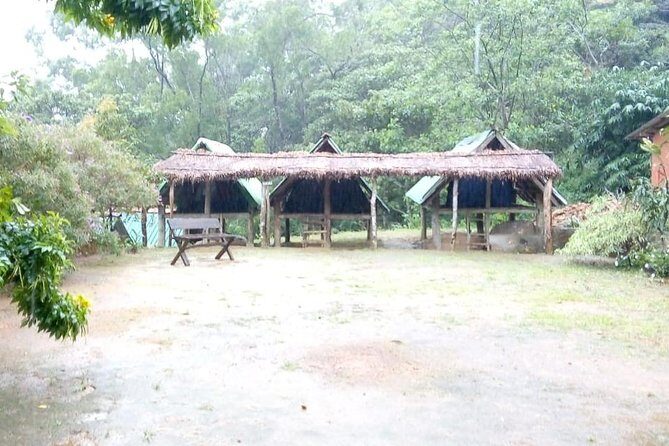
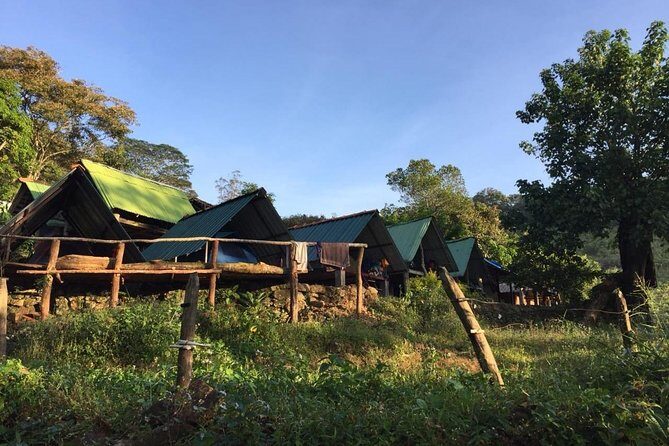
After the downhill section, you reach the exclusive base camp below the Knuckles footstep area on the eastern slope. This is where the trip earns its camping name.
The overnight stay includes facilities, so you’re not showing up to “survive” in a barebones situation. What you’re really buying is a second day of access into more forest and village areas without burning the day in transit back to Kandy.
There’s also a practical psychological benefit. After dinner and rest at camp, day two feels like a continuation instead of a totally new scramble. And if you’re the type who hates waking up early just to start moving again, the breakfast setup at the camping site helps you ease into the second day.
Day 2: cloud forest tea plantation views, waterfalls, and a chilly swim
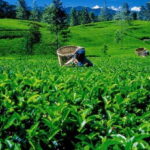
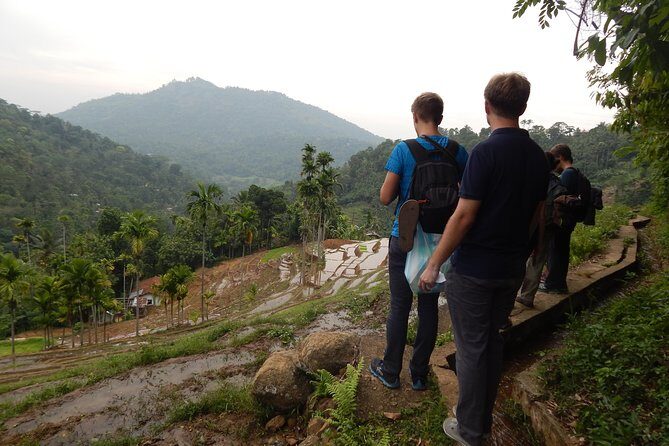
Day two starts with breakfast at the camping site. Then you begin another downhill journey, including sections through tea plantation areas where you can catch panoramic viewpoints. This is a nice reset from the denser silent forest feel of day one. It helps you see the Knuckles not only as a “walkway,” but as a region with farms, slopes, and changing habitats.
From there you enter the high forest full of cloud trees. This part is framed with specific tree types you might notice if you’re paying attention: pine, eucalyptus, and turpentine. The guide can point out what these mean for how the forest looks and feels. And yes, you’re in prime spotting territory here.
During the trekking you may see birds, small animals, and butterflies. One review highlights lizards and birds specifically, which matches what you’re likely to notice in real time as you slow down for sightings.
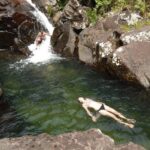
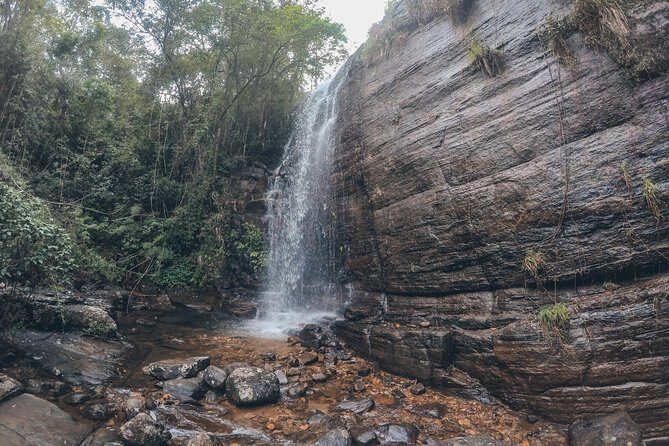
Then comes the water moment. You’ll cross a waterfall and natural pool. You get the chance to swim in crystal-clear water—though it’s described as slightly chilly. If you’ve never done a cold-water swim on a hike, here’s the practical advice: don’t overthink it. Bring swimwear you can rinse quickly, keep your towel and change of clothes in a secure spot, and treat it as a short reset, not a long swim session.



Terrace rice fields and a traditional village lunch you can taste
After the waterfall crossing, you walk through terrace rice fields. This transition is one of the reasons I like this route: you’re not only hiking in nature. You’re also moving into working landscapes that support local life.
Then you enter a traditional village. On the way, you’ll pass vegetable gardens and spice gardens. The tour is designed so you can meet village people and learn about village culture, not just take a quick glance from the trail.
Lunch here is described as authentic. The value isn’t only the food; it’s the way the day slows down and gives you a different rhythm. On day one, you’re focused on forest. On day two, you’re focused on people, daily work, and what the area looks like when it’s not just scenic from a viewpoint.
By the end of the trekking loop, you return toward Kandy in the evening. The exact time depends on your hotel location and traffic. The key is that you’re finishing with enough daylight and enough time to get cleaned up without feeling like you’re racing the night.
Price and value: what $195 really covers for 2 days
At $195 per person for two days, the price lands in the “active but worth it” category for Sri Lanka trekking. Here’s what you’re getting that often costs extra if you book parts separately:
- Meals: dinner, lunch (twice), and breakfast are included
- Water bottles during the trek
- Private transportation from Kandy to the Knuckles area
- Entry/admission for the Knuckles Mountain range
- All fees and taxes
- An English live guide for the full experience
- An overnight base camp stay with facilities
That list matters because a trekking day isn’t only the hiking. Meals, transport, and guide time are where costs stack up fast. Reviews also mention included meals being delicious and local, which is exactly what you want from a trekking package: food that keeps you moving instead of something random you didn’t plan for.
Also, the guide quality is a real part of the value. Recent reviews highlight guides like Chan and Lakmal, with strong focus on plants, animals, and even Sri Lankan context. That turns the trek from a simple walk into a guided nature experience.
What to pack: stop suffering early
This trek is the kind where your gear choice turns into comfort later. The tour is very clear about what you should bring, and I agree with every item:
- Trekking or sports shoes you can trust on gravel and muddy patches
- Rain jacket (it’s a mountain trek, and wet ground happens even when skies look calm)
- Warm clothes (day-to-night temperature changes can catch you)
- Sun cream (higher and brighter trail sections can still burn you fast)
- Small daypack (something light enough to stay comfortable while climbing)
- Swimwear and a change of clothes (because the waterfall-natural pool includes a swim option)
- A little extra planning for damp gear: zip bags help if you hate wet clothes in your bag
Also, wear clothes you won’t mind getting muddy and wet. The day two village walk goes through terrace fields and garden areas, so you’ll be exposed to real ground conditions.
Who this Knuckles camping trek fits best
I’d point you toward this tour if you want a two-day route that includes both major nature highlights and real village culture time. The itinerary is balanced: day one is your climb and forest focus, and day two adds cloud forest, terrace rice fields, and a traditional village experience with authentic lunch.
It also fits you if you enjoy guided learning. Multiple reviews underline how guides like Chan and Lakmal help you understand the plant and animal species you’re seeing. If you’d rather be left alone with a phone and a playlist, a guided nature approach might feel like you’re constantly pausing. But if you like explanations, this is a good match.
You should think twice if you dislike chilly water, rocky trails, or being uncomfortable with wet/muddy conditions. The tour is described as hard-medium, and day one is described as intense in the experience notes you’ll hear from other hikers.
Quick reality check: what the trekking feels like
This isn’t presented as a lightweight stroll. The tour grade is listed as hard-medium, with smooth-medium sections mixed in. Distances are in the range of about 26 to 36 km across two days, with altitude changes from roughly 500 to 1900 meters.
That means you’ll want strong walking legs and basic stamina. You don’t need to be a mountaineer, but you do need to be comfortable hiking for hours and handling uneven ground.
On day two, you’ll also feel the trail rhythm shift: cloud forest walking, then terrace rice fields, then village roads/paths. It’s scenic, but it’s still movement.
Should you book this Knuckles camping trek?
If your travel style is equal parts nature and local culture, this is an easy yes. The main reasons to book are simple: you get a two-day Knuckles trek with real forest sections, waterfall moments, and a base camp overnight with facilities, plus village interaction and local meals included.
Book if you’re prepared for muddy boots, rain gear, and a chilly swim. Also book if you enjoy being guided through what you’re seeing, not only where you’re going.
Skip it if you want flat walking, dry conditions, or a low-effort day. The route sounds like it’s built for people who came to hike, not for people hoping to mostly “watch from the trail.”
If you’re unsure, I’d choose this only if you’re willing to pack properly and walk at a steady pace. When you do, the Knuckles Range trek turns into a memorable, two-day mix of forest, water, and village life.