REVIEW · KANDY
Kandy City Tour
Book on Viator →Operated by Sri Lanka Hill Country Tours · Bookable on Viator
Kandy feels big, even when you’re short on time. This private Kandy City Tour is built to show you the Kandyan Kingdom side of Sri Lanka, mixing top sights with quieter temples and a scenic break around Kandy Lake. You start in the morning (8:00am) and use a comfortable air-conditioned car so you’re not bouncing around in the heat.
What I really like is the focus on flow: you don’t just get dropped at landmarks, you get a driver who can adjust timing so you can actually enjoy each stop. Two other things I like a lot are the air-conditioned private ride and the way the route blends “must-sees” (like the Temple of the Sacred Tooth Relic) with countryside views from the Hanthana tea area.
One consideration: many entrances are not included—especially the Temple of the Tooth, Royal Botanical Gardens, and the cultural dance show—so your total cost can climb depending on how many sites you enter.
In This Review
- Key highlights you’ll notice fast
- Price and logistics: what $40 actually buys you
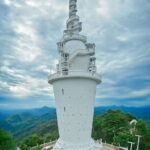
- Getting your bearings at Kandy View Point
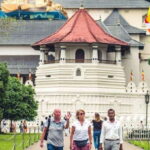
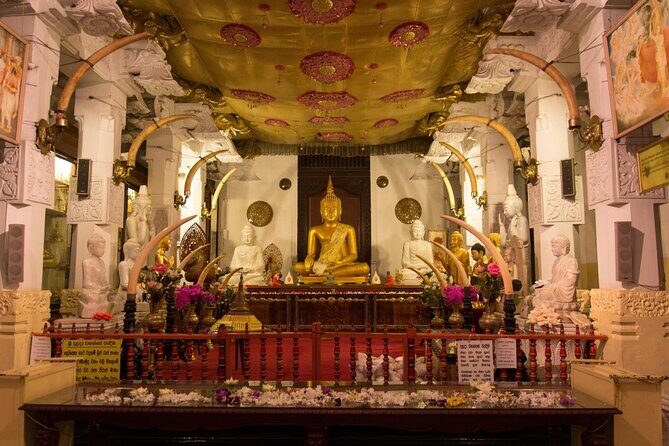
- Temple of the Sacred Tooth Relic: the main cultural stop
- Royal Botanical Gardens: flowers, trees, and breathing room
- Hanthana Mountain Range and tea plantations: a scenic reset
- Kandy Lake: a gentle walk that locals actually use
- Lankatilaka Temple: 14th-century Sinhalese architecture on rock
- Temple of the Gadaladenia (Damakrithi/veh araya area): another Kandyan-era site
- Embekka Devalaya: wooden carvings and symbolic forms
- Hela Bojun Hala: local food processing and culture
- Udawattekele Sanctuary: a forest reservation with Kandyan-era ties
- Kandy Lake Club: Kandyan cultural dance show in the evening
- Kandy War Cemetery: a brief, quiet historical stop
- Comfortable private transport: what you should expect from the ride
- Should you book the Kandy City Tour?
- FAQ
- What time does the Kandy City Tour start?
- How long is the tour?
- How much does the tour cost?
- Is pickup included?
- Are entrance fees included in the price?
- Are meals included?
- Is a mobile ticket provided?
- Do I need to pay for the cultural dance show?
- What happens if weather is bad?
- What is the cancellation policy?
Key highlights you’ll notice fast
- Private, air-conditioned transportation for up to 3: you move as a group, not with a crowd.
- Kandy View Point first: you get oriented before you start visiting temples.
- Sacred Tooth Relic + classic royal temple stops: a strong Kandyan-era mix in one day.
- Hanthana tea plantations break: a scenic pause between big-ticket religious sights.
- Kandy Lake walk and Udawattekele forest time: softer, slower moments to balance the temples.
- Cultural dance show option at Kandy Lake Club: Kandyan dance as evening tradition.
Price and logistics: what $40 actually buys you
This tour is priced at $40 per group (up to 3 people) for about 6 hours. That base price mainly covers the vehicle—an air-conditioned car plus private transportation—so you’re paying for comfort and getting from place to place without hassle.
Then comes the part that matters for your budget: entrance fees are not included. The tour notes additional tickets can be needed for major stops like the Tooth Temple, Royal Botanical Gardens, Udawattekele Sanctuary/forest, multiple temple sites, and the cultural dance show. It specifically lists entrance fees adding up to $45.00 per person if you visit the featured ticketed attractions. In other words, the $40 is only part of the story.
If you’re traveling as two or three, the math usually works well because the vehicle cost spreads out. If you’re traveling alone, you may feel the difference more when entrance fees hit.
More Kandy City Tours in Kandy & Sri Lanka's Hill Country
Getting your bearings at Kandy View Point
The day starts with a short visit to the Kandy View Point, about 20 minutes, and it’s listed as free. This is a smart first move because Kandy can feel like a bowl of hills once you’re on the ground. A view early helps you understand where the lake sits, where the hills rise, and why some temples look like they’re on their own little stages.
You won’t spend long here—so don’t expect a long photo session. Instead, use those 20 minutes to set your expectations for the rest of the day: you’re about to see Kandy from a lot of angles, not just from inside one temple or one garden.
Temple of the Sacred Tooth Relic: the main cultural stop
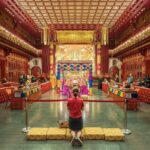
Next is the Temple of the Sacred Tooth Relic, about 1 hour. Admission isn’t included, but the emphasis here is clear: this is one of Sri Lanka’s most important Buddhist pilgrimage sites because the relic is housed in a gold-colored pagoda.
What I find practical about starting with the Tooth Temple is the emotional payoff. You’ll see how central Buddhism is to daily life here, not just as architecture, but as a living place people come to. The site also tends to pull you into the rhythm of temple etiquette—quiet attention, respectful behavior, and a slower pace than the “tourist sprint” you might be used to.
Potential drawback: 1 hour can feel like you’re moving quickly, especially if you stop for photos and take in the details. If you want a deeper look, be ready to spend more time and expect extra ticket time to add to the day.
Royal Botanical Gardens: flowers, trees, and breathing room
After the main religious stop, the tour heads to the Royal Botanical Gardens for about 2 hours. Admission isn’t included. This isn’t just a stroll for views—it’s a break from temple intensity, with a focus on plants, flowers, and tree collections.
Two hours is a comfortable window. You’re long enough in the garden to slow down, pause in shaded areas, and let your brain switch modes from sacred space to nature. And because this is Kandy’s hill-country zone, the weather can feel kinder in the gardens than out on open roads.
Watch-outs: botanical gardens can mean you’ll do more walking than you expect, and the ticketed entry matters for your budget. If you’re trying to keep costs down, you can’t really “half” a garden visit here—either you enter and enjoy it, or you skip it and lose that balance in the itinerary.
Hanthana Mountain Range and tea plantations: a scenic reset

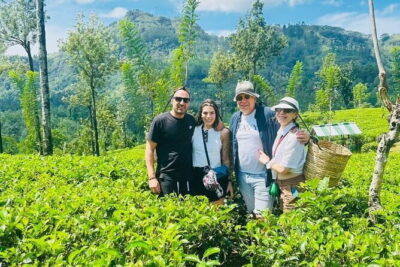
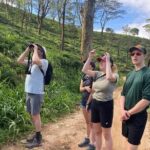
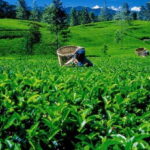
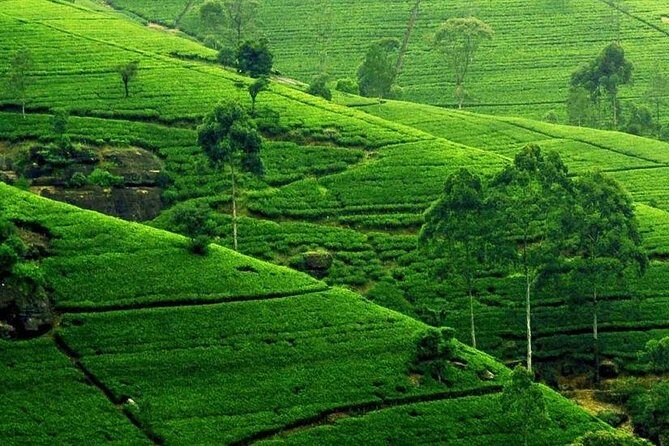
The route then shifts to the Hanthana Mountain Range, including tea plantations, with about 1 hour there and free admission. This is the kind of stop that makes Kandy feel like more than just temples and streets. You get a hillside sense of Sri Lanka’s plantation-country look—rolling slopes and tea fields that feel connected to the daily economy.
I like this stop because it gives you something different for photos and for your senses. Temples are about form and symbolism; tea hills are about perspective and weather. Even if clouds roll in, you still get that “hill country” mood.
Practical tip: wear shoes that handle uneven ground. Tea areas are often not flat, and one hour still adds up if you walk around.
Other city tours we've reviewed in Kandy


Kandy Lake: a gentle walk that locals actually use
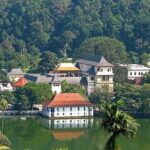
Then you’re at Kandy Lake for about 1 hour, with free entry and a walking loop. This stop is simple, but it’s valuable. After temple visits and gardens, your feet need a normal, easy path—something you can do at your own pace without ticket checks every 10 minutes.
You’ll get the classic Kandy feel here: lake air, a laid-back atmosphere compared with the earlier religious stops, and a chance to watch daily life move past.
If it’s hot or humid on your day, treat this as your recovery time. Grab water, take slow photos, and don’t try to “maximize” the walking. The best lake walks are the ones that don’t turn into a chore.
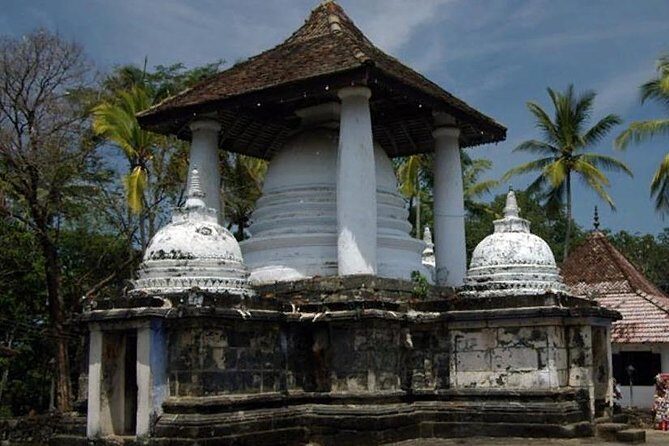
Lankatilaka Temple: 14th-century Sinhalese architecture on rock
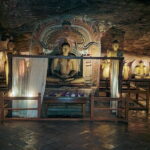
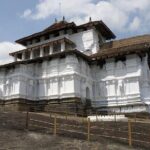
The tour includes Lankatilaka Temple (Lankatilaka veharaya) for around 30 minutes. Admission isn’t included. The key detail is that it’s considered one of the best examples of traditional Sinhalese temple architecture from the 14th century, built by King Buwenekaba IV in the Gampola era.
The rock setting is what makes this stop click. Temples like this don’t feel like buildings you walk through; they feel like landmarks set into the terrain. Even in 30 minutes, you can see why people remember this style—stone placement, strong lines, and a sense of solidity.
Downside: 30 minutes is fast for architecture lovers. If you’re the kind of person who wants to compare angles and details, you may wish you had more time on-site.
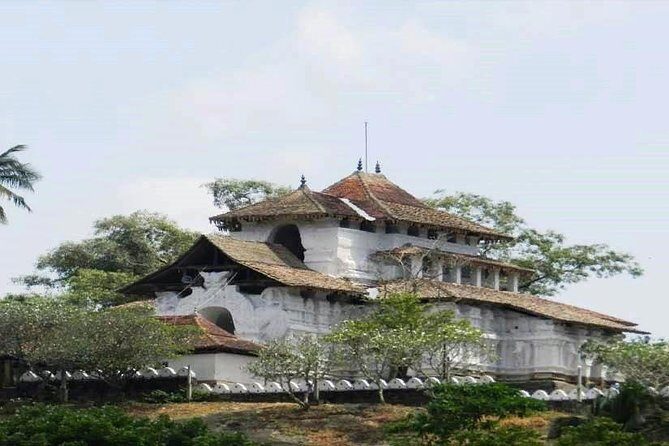
Temple of the Gadaladenia (Damakrithi/veh araya area): another Kandyan-era site
Next up is Temple of the Gadaladenia, also around 30 minutes, with admission not included. The info notes that in 1344, King Buwenakabahu IV built it, and it sits on a flat rock with an ancient monastery connection (described in the tour details as Didggela pilimhalawa in the Kandy area).
This is the kind of stop that works well right after Lankatilaka because it keeps the architectural theme going. You’ll start to notice patterns—how design changes, how carvings and layout express different ideas, and how temple locations relate to the hill-country setting.
Practical caution: two temple sites back-to-back can feel like repetition if you’re not in the mood. I’d enjoy it most if you’re actually interested in “why temples look this way,” not just collecting names for a trip photo album.
Embekka Devalaya: wooden carvings and symbolic forms
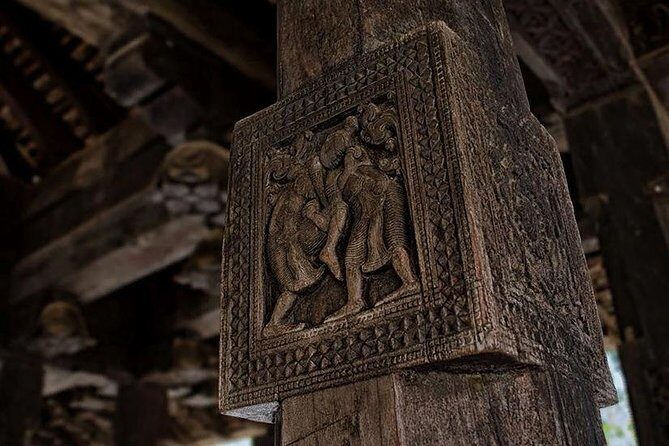
The tour continues with Embekka Devalaya for about 30 minutes, and admission isn’t included. The description highlights sculptured panels on wooden pillars and designs such as swans and a double-headed eagle, using conventional Sinhalese motifs.
Even without a long stay, this stop can feel more intimate than stone temples because the focus is on woodwork and symbolic decoration. It’s a different sensory experience—details at eye level, craftsmanship you might miss if you rush.
Time tip: if you’re serious about carvings, don’t just glance and move on. Spend your best 10 minutes here. The rest of your day can be more about scenery.
Hela Bojun Hala: local food processing and culture
After all that architecture, the tour shifts gears to Hela Bojun Hala (sām pādrāḡi d eśi y āhāra), about 1 hour, listed as free. This stop is about Sri Lankan cultural foods processing, and the description says it was introduced to the Department of Agriculture for healthy foods for people.
I like this kind of stop because it grounds your understanding of food beyond restaurants. You get a sense of the ingredients and the processing culture behind the flavors you’ll later taste in local meals.
One practical note: meals are not included in the tour. Even though this stop is food-related, it’s still listed separately, so don’t assume you’ll eat a full lunch here.
Udawattekele Sanctuary: a forest reservation with Kandyan-era ties
Then there’s Udawattekele Sanctuary for about 1 hour, with admission not included. The tour notes it’s a historical forest reservation in the hill country during the Kandyan period, and that it was called “uda wasala watta” during that era.
This stop is your nature balance. It also helps you picture Kandy not as just city blocks and temples, but as a place with managed forests and older land-use traditions.
Because this is a sanctuary/forest stop, expect walking and uneven ground. Wear shoes you trust. Also, the tour says the experience requires good weather—so if it rains hard, this part of the day might be less comfortable.
Kandy Lake Club: Kandyan cultural dance show in the evening
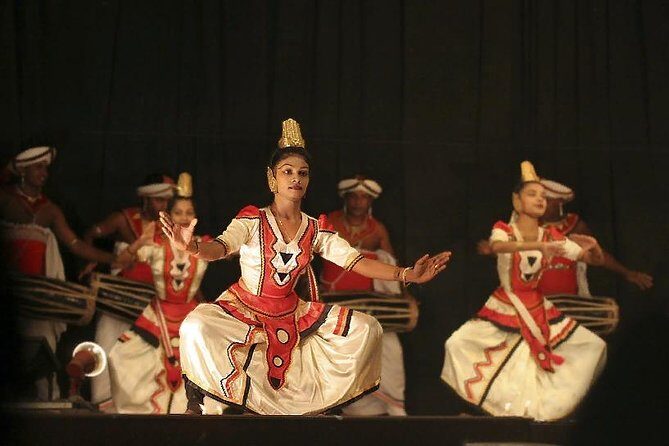
The itinerary includes Kandy Lake Club – Cultural Dance Show for about 1 hour. The info says Kandyan Dance is every evening and highlights that the dance has roots in the Kandyan feudal system, performed by dancers identified as a separate caste.
Admission isn’t included. If you want the full cultural package, plan for the reality that it may change how late your day becomes. You start at 8:00am, but the dance show is tied to evening timing, so it’s worth keeping your schedule flexible and your expectations calm.
Why this matters: the dance performance is one of the few ways to feel Kandyan culture as something alive, not just something you look at. If you only see temples and gardens and skip the performance, your day can feel like it ended with stone.
Kandy War Cemetery: a brief, quiet historical stop
Finally, there’s Kandy War Cemetery for about 10 minutes, with admission not included. It’s described as a British military cemetery in Kandy for soldiers of the British Empire who were killed in World War 2, and also for a soldier who died during World War 2 as noted in the tour description.
This stop is short for a reason. Use it as a pause—something reflective after hours of religious, scenic, and cultural content. In just a few minutes, you get a different side of the city’s story, less about empire-era architecture and more about remembrance.
Comfortable private transport: what you should expect from the ride
Most of the value here is not the sites alone—it’s how you move between them. The tour includes air-conditioned vehicle and private transportation, and in past service notes you’ll see emphasis on calm, respectful driver behavior. Some of the service references names like Ek and Sampath, and the pattern is consistent: comfortable transport, English-speaking help when needed, and a focus on keeping things smooth.
Because it’s a small group (up to 3), you can ask for adjustments. You can also spend less time at a stop if you’re not feeling it and more time at the one you love. That flexibility matters in Kandy where weather and crowds can shift your pace.
Also, the service uses a mobile ticket, which is practical when you’re juggling multiple entrances.
Should you book the Kandy City Tour?
Book it if you want:
- A single-day plan that touches the main Kandyan-era highlights without you figuring out transportation between hills, temples, and lake.
- A private, air-conditioned ride that makes the day easier on your body.
- A route that mixes religious sites, tea views, and Kandy Lake—so you don’t feel like you’re only “temple hopping.”
Skip or rethink it if:
- You’re on a tight budget. Entrance fees add up, and the tour notes $45.00 per person for ticketed attractions in the list.
- You’re hoping for a super relaxed day with no walking. Between viewpoints, temples, gardens, and a forest area, your shoes will get a workout.
If you match the first group, this is good value. You’re paying $40 for a private vehicle and a plan, then deciding how much you want to spend on entry tickets for the included stops.
FAQ
What time does the Kandy City Tour start?
The start time is 8:00am.
How long is the tour?
The duration is about 6 hours (approx.).
How much does the tour cost?
It costs $40.00 per group, up to 3 people.
Is pickup included?
Yes, pickup is offered.
Are entrance fees included in the price?
No. Entrance fees for places like temples and the botanical garden are not included, and the tour lists additional entrance fees may be required for several ticketed stops.
Are meals included?
No. Meals are not included.
Is a mobile ticket provided?
Yes, the tour uses a mobile ticket.
Do I need to pay for the cultural dance show?
Yes. The cultural dance show at Kandy Lake Club has admission fees not included in the tour price.
What happens if weather is bad?
The tour requires good weather. If it’s canceled due to poor weather, you’ll be offered a different date or a full refund.
What is the cancellation policy?
You can cancel up to 24 hours in advance for a full refund. If you cancel less than 24 hours before the start time, the amount paid will not be refunded.