REVIEW · KANDY
Three Temples Loop In Kandy Day Tour By Tuk Tuk
Book on GetYourGuide →Operated by Ceylon IT Tours · Bookable on GetYourGuide
This day trip packs serious temple stops. It strings together Asgiriya Stupa, Gadaladeniya Temple, Lankathilaka Temple, and Embekka Devalaya, plus viewpoint time and optional cultural stops.
Two big things I like: a temple-heavy route that feels efficient, and a day that’s designed for small-group pacing (or private, if you want it).
I also like that the tour doesn’t just do temples-on-a-map. You’ll get craft and taste stops too, like a wood carving family house, and a Ceylon tea factory visit.
One thing to plan for: it’s a jam-packed 6.5-hour loop with multiple grounds and steps, so you may want to think about what you’ll skip (dance show, botanical garden, big Buddha statue, and optional add-ons).
In This Review
- Quick takeaways before you go
- How the Three Temples loop works in real life
- The 8:30am start and how to pace a long day
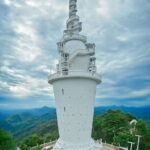
- Asgiriya Stupa: the morning anchor point
- Wood carving family house: craft you can actually see
- Gadaladeniya Temple: one of the hill-route anchors
- Ceylon Tea Factory: a sensory break (and a decision point)
- Lankathilaka Temple: when the architecture pulls you in
- Embekka Devalaya: the carvings and Drummers’ Hall
- What you’re seeing at Embekka
- The woodwork and pillar carvings
- The roof feature that’s worth hunting for
- When it was built (and who built it)
- Optional Royal Botanical Garden and Big Buddha Statue
- Kandy viewpoint and the Kandyan culture dance show
- Tooth Relic Temple as an optional closer
- Gems, spice and Ayurvedic stops: useful or pricey?
- How your guide shapes the day (and why names matter)
- Price and value: what $10 buys you here
- What to bring and how to dress for Kandy temples
- Should you book this Three Temples Loop in Kandy?
- FAQ
- What time is hotel pickup in Kandy?
- How long is the tour?
- Is hotel pickup and drop-off included?
- Which major temples are included?
- Are entrance tickets included?
- Is food and drinks included?
- Are there any optional stops?
- What languages will the driver speak?
- What should I bring for the tour?
- What should I wear or do at temples?
Quick takeaways before you go
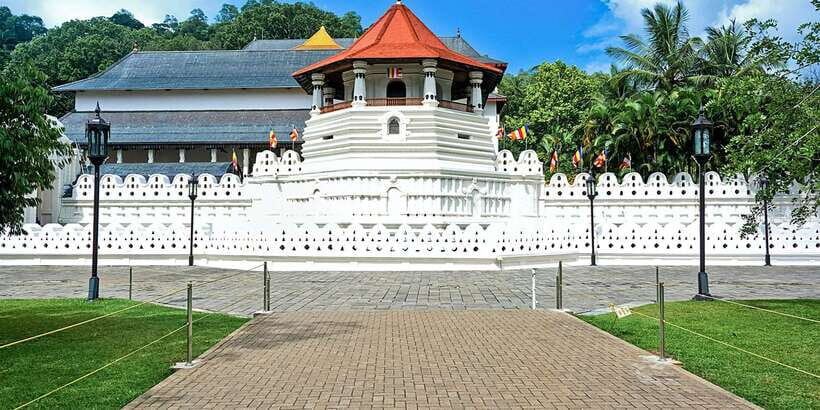
- Hotel pickup at 8:30am in Kandy means you can start early without figuring out transport.
- A real temple cluster: Asgiriya Stupa, Gadaladeniya Temple, Lankathilaka Temple, and Embekka Devalaya.
- Embekka Devalaya is the standout for its Drummers’ Hall carvings and the detailed shrine sections.
- Optional extras are built in (Royal Botanical Garden, Big Buddha statue, Kandyan culture show, and Tooth Relic Temple).
- Your driver can adjust the day within reason, with English-speaking guidance from people like Terrence, Tony, Rohan, Channa, or Danushka.
How the Three Temples loop works in real life
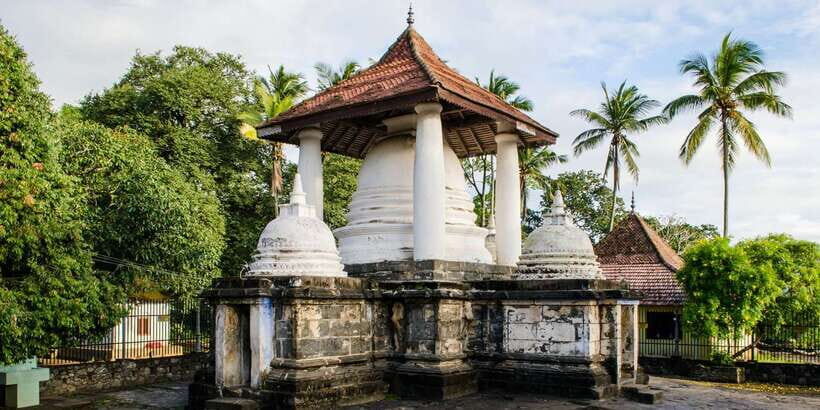
This tour is built for a classic Kandy question: how do you see the spiritual sites around town without losing half a day to logistics? The answer here is a tight route that starts with pickup, then moves through several key religious landmarks before returning you to your hotel.
It’s also a good value setup. The base price is $10 per person, and the tour includes hotel pickup and drop-off, plus guided visits to multiple major stops. Just remember the trade-off: the schedule is dense, and entrance tickets and food/drinks are not included.
More Kandy City Tours in Kandy & Sri Lanka's Hill Country
The 8:30am start and how to pace a long day
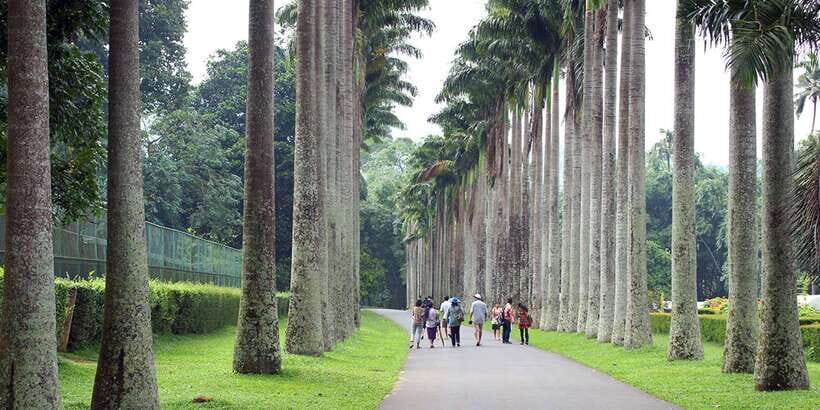
Pickup is at 8:30am from your hotel in Kandy, and the tour runs about 6.5 hours total. That timing matters because it helps you hit temples before the day gets too hot and before tour traffic builds up.
Your day is designed like a loop, not a single long road trip. You’ll move from site to site, with short enough windows at each stop that you still get photos and time to look closely. If you know you only care about certain temples, you’ll do best by telling your driver early what to prioritize.
Asgiriya Stupa: the morning anchor point
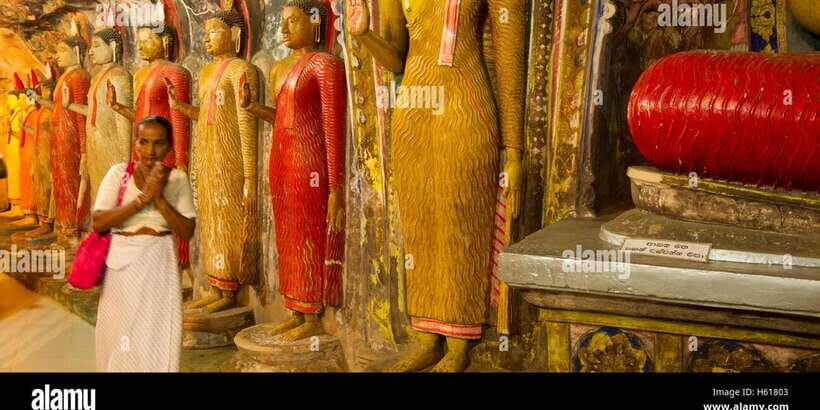
You’ll begin with Asgiriya Stupa. Even without making it your only focus, this stop works as a strong opener because it gets you into the Kandy temple rhythm quickly.
What to expect practically: you’ll likely spend time walking around the complex and taking pictures from different angles. Since it’s a Buddhist temple environment, plan on removing shoes and covering up appropriately (more on dress rules later). This is the kind of stop where arriving early helps you slow down, not rush.
Wood carving family house: craft you can actually see
Next on the route is the Wood Carving Family House. This is a useful contrast to the temples: instead of stone and ritual architecture, you’ll look at woodworking skill in a hands-on way.
Here’s why I think this stop is worth keeping: Kandy’s religious art isn’t just decoration. Many temples and halls are defined by their carving work, from columns to entry porches. Watching craft in action helps you connect what you see later at places like Embekka Devalaya.
If you’re short on time, you can keep your visit brief and move on, but don’t treat it like a quick photo stop only. Even a short conversation and a look at the tools gives context for what you’ll be hunting for in the carvings.
Gadaladeniya Temple: one of the hill-route anchors
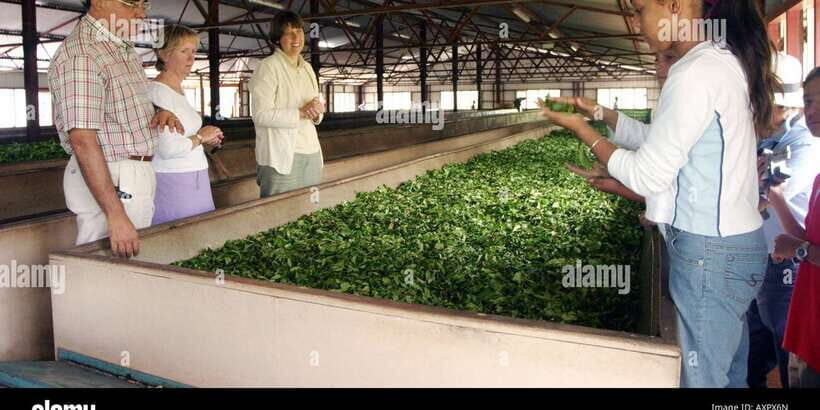
The tour includes Gadaladeniya Temple as a key site. It’s part of the cluster people come for when they want to see Kandy’s religious architecture beyond town.
What makes this stop fit well in a 6.5-hour plan is that it tends to offer a manageable visit window: you can see the main religious structures, walk around for viewpoints and photos, and keep moving without turning the day into a full-day hike.
Practical note: temple sites often mean stairs and uneven ground. If you have any foot issues, bring the mindset that you’ll move slowly where needed, not speed through.
More Tuk Tuk Tours in Kandy & Sri Lanka's Hill Country

Ceylon Tea Factory: a sensory break (and a decision point)
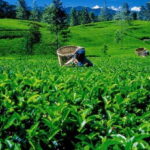
After Gadaladeniya, you’ll stop at a Ceylon Tea Factory. This is the kind of break that can refresh you mentally before the later temple-heavy portion of the day.
Why this works: tea visits are often calmer than temple entrances, and the smell and process can reset your attention. Why it might not work for you: if you’re not a tea buyer and you prefer temples only, this is one area you can ask your driver about adjusting depending on your interests.
Also, shopping pressure can vary by place. Since foods and drinks aren’t included, you’ll want to plan your own snack situation outside the tour.
Lankathilaka Temple: when the architecture pulls you in
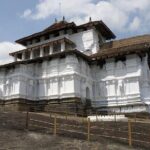
Next is Lankathilaka Temple. This one sits right in that sweet spot where architecture becomes the main story. Even if you’re not a deep-meaning temple reader, you can still enjoy the look and feel: shape, stonework, and sacred layout.
From a traveler point of view, this temple helps balance the day. You get more than one style of religious space, and it keeps the route from becoming repetitive.
Again, expect the usual temple rules: covered shoulders and knees, shoes off, and hats out of the picture.
Embekka Devalaya: the carvings and Drummers’ Hall
If you do only one thing extra-fancy at this tour, make it Embekka Devalaya. This is the temple where details start stacking up in a way that feels almost game-like.
What you’re seeing at Embekka
This Devalaya is dedicated to Kataragama deviyo, and a local deity called Devatha Bandara is also worshiped there. The shrine is described in three sections:
- Sanctum of Garagha
- Digge, also called the Dancing Hall
- Hevisi Mandapaya, or the Drummers’ Hall
The Drummers’ Hall is the headline because of its carved pillars and roof structure. The attention-grabbing part for me is how the carvings aren’t generic. The details are specific and repeat in meaningful patterns.
The woodwork and pillar carvings
The Drummers’ Hall is noted for ornate wooden pillars with carving traditions described in the temple materials. You’ll hear about designs such as entwined swans, double headed eagles, intertwined rope patterns, breast-feeding imagery, soldiers on horseback, female dancers, wrestlers, hybrid animal figures like elephant-lion and elephant-bull, plus more.
It’s also said that some of the woodwork used here came from an abandoned Royal Audience Hall at Gampola. Repair history is part of the story, which helps you see the temple as living work, not museum glass.
The roof feature that’s worth hunting for
A roof system called Madol Kurupawa is mentioned as a kind of giant catch pin that helps keep rafters in position. You can treat it as a technical curiosity as you look upward, because it’s tied to how the hall is structured.
There’s also a long count of design themes described for the temple carvings (including hundreds of unique design series). Even if you don’t try to count them on-site, knowing that the carving program is so detailed helps you slow down and look.
When it was built (and who built it)
The temple details describe it as a 14th-century structure, including a timeline tied to King Vikramabahu III of Gampola (AD 1357–1374). Other reports mention a reign of King Bhuvanekabahu IV (1341–1351) with construction overseen by his chief minister Senalankadhikara, and an architect named Sathapati Rayar with sculptors linked to South Indian traditions. Some parts are presented as historical reports, so treat them as the temple’s traditional scholarship, not a single verified schoolbook timeline.
The practical takeaway: Embekka Devalaya rewards people who enjoy looking closely. You’ll get more from it if you take a slow lap instead of rushing to the next stop.
Optional Royal Botanical Garden and Big Buddha Statue
Two choices appear as optional add-ons:
- Royal Botanical Garden (optional)
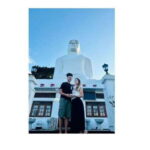
- Big Buddha Statue (optional, with a distance note around 5 km)
These can be great if you want a break from pure temple browsing. A garden stop tends to cool down your day, and a statue/view stop can add a wider Kandy perspective.
The caution: if you already know you’re visiting many sacred sites back-to-back, adding both might make the day feel too full. This is where having a driver who understands your pace helps.
Kandy viewpoint and the Kandyan culture dance show
The route includes a Kandy View Point (the data notes around 3 km from a point on the loop) and an optional Kandyan culture dancing performance.
Here’s how to decide:
- If you want one cultural performance, keep the dance show.
- If you’re temple-focused and you’re getting tired, skipping it is a totally valid move.
I like that this tour gives you room to make that call. Some guides also help you plan around what you’ve already seen, such as if the Tooth Relic Temple was covered on a previous day.
Tooth Relic Temple as an optional closer
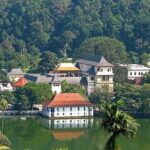
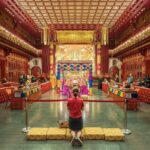
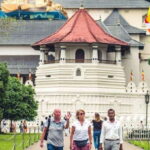
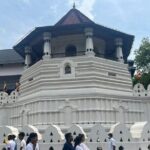
The Temple of the Sacred Tooth Relic is listed as optional. If you choose it, it’s a strong capstone to a day built around sacred sites.
Since it’s optional, it’s also a useful lever if your energy is low. If your feet are done, you can skip it and still complete the core experience without feeling like you missed the main thing.
Gems, spice and Ayurvedic stops: useful or pricey?
Your inclusions list two shop-type stops:
- Gems Museum
- Sri Lankan Spice & Herble Ayuruvedi Center
These can add value if you’re interested in Sri Lankan product knowledge beyond tea. You might enjoy learning how items are processed and what gets used in local traditions.
That said, a practical tip matters here. One traveler advice point was to consider skipping the herbal and spices garden area if you find it too expensive for what you want that day. Since the tour also supports special requests, you can ask your driver about tightening the schedule if shopping doesn’t match your travel style.
The balance I recommend: treat these as optional-interest stops, not must-dos.
How your guide shapes the day (and why names matter)
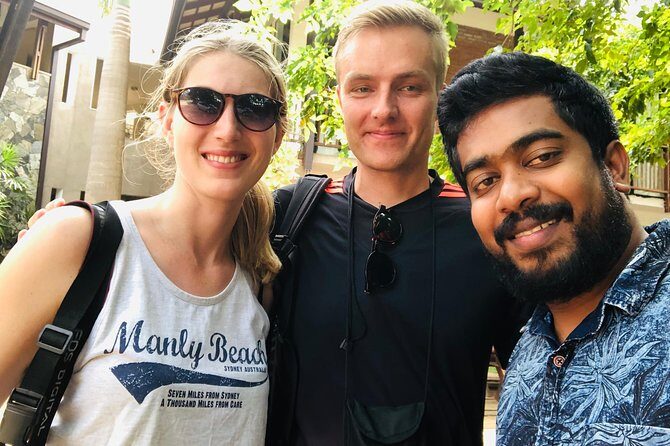
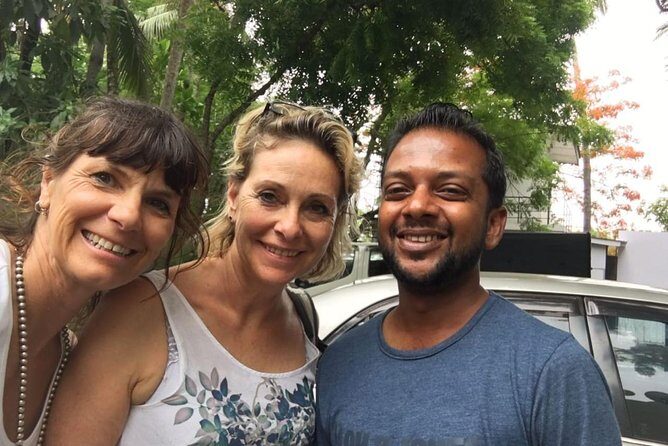
This tour is only as good as the person behind the wheel and the explanations during stops. The service described centers on drivers who are warm, organized, and helpful, with English-language support.
You’ll see names like Terrence, Tony, Rohan, Channa, and Danushka tied to standout experiences. Common threads: clear explanations at each stop, willingness to answer questions and pause for pictures, and safe, careful driving on uneven routes.
One specific kind of help that stands out: assisting with moving up and down steps when walking is difficult, including managing the temple footwear situation. If you have mobility concerns, tell your guide early so they can plan your stops and walking pace.
Price and value: what $10 buys you here
The base price is $10 per person, with hotel pickup and drop-off and a 6.5-hour set of major visits included. That’s the value angle: you’re paying mainly for transport and guided movement between several named sites.
What’s not included is important. Entrance tickets and foods and drinks are not included, so you’ll want to budget for that separately. Also, if you add optional stops like the dance show, botanical garden, Big Buddha statue, or the Tooth Relic Temple, you may run into additional costs depending on what’s charged on-site.
For most people, the math works best if you:
- Use the tour for the temple cluster you want
- Keep optional add-ons aligned with your interests
- Arrive prepared so you can actually enjoy the carvings and not just rush through
What to bring and how to dress for Kandy temples
This part is simple but non-negotiable. Bring a passport or ID card.
For temple etiquette, plan on:
- Removing shoes and hats at Buddhist and Hindu temples
- Keeping shoulders and knees covered
If you follow that, you’ll avoid awkward delays and you’ll feel more comfortable walking in and out of sacred areas.
Should you book this Three Temples Loop in Kandy?
Book it if you want a smart, temple-centered Kandy day that starts with 8:30am pickup, hits multiple major religious sites, and gives you optional cultural and viewpoint extras without forcing you into one rigid plan. The $10 price makes sense when you value convenience and hate wasting time on transport.
Skip or customize it if you’re the type who dislikes shopping stops like the gems museum or spice/herbal center, or if you want a slower day where you linger for long stretches at each site. In that case, ask your driver to prioritize the temples and keep the extras lean.
If you love carvings and details, especially at Embekka Devalaya’s Drummers’ Hall, this route is a strong fit. It’s one of those days where you can start fast, but still end up looking slower.
FAQ
What time is hotel pickup in Kandy?
Pickup is at 8:30am from your hotel.
How long is the tour?
The duration is listed as 6.5 hours for the day tour.
Is hotel pickup and drop-off included?
Yes. Hotel pickup and drop-off are included.
Which major temples are included?
Lankathilaka Temple, Gadaladeniya Temple, Embekka Devalaya, and Asgiriya Stupa are included. The Tooth Relic Temple is listed as optional.
Are entrance tickets included?
No, entrance tickets are not included.
Is food and drinks included?
No, foods and drinks are not included.
Are there any optional stops?
Yes. Royal Botanical Garden, Big Buddha Statue, Kandyan Culture Dancing, Gems Museum, Embekka Devalaya is included, and the Temple of the Sacred Tooth Relic is optional. The tour also mentions optional add-ons like the Ayuruvedic Village.
What languages will the driver speak?
The driver is listed as speaking English and Singhalese.
What should I bring for the tour?
Bring your passport or an ID card.
What should I wear or do at temples?
You should remove shoes and hats, and cover shoulders and knees at Buddhist and Hindu temples.