REVIEW · KANDY
Knuckles Leopard trail Trek from Kandy
Book on GetYourGuide →Operated by Nature Paradise Tours · Bookable on GetYourGuide
Tea-country trekking with a leopard-trail vibe. This Knuckles Leopard Trail day from Kandy takes you uphill along a tea trail and into evergreen dwarf forest, with chances to spot endemic plants and animal signs. I especially like the quiet, rocky plateau viewpoints and the way the English guide reads the trail for fauna—sometimes even finding leopard tracks. The main drawback is simple: expect mud, wet ground, and a medium-hard day on your legs (16–21 km).
Pickup is early (7:00–7:30 am), you start trekking around 9:30–10:00 am, and you’re back near your hotel about 4:30–5:00 pm. If you’re lucky with your guide—people have specifically praised guides like Ashoke for careful plant spotting, herbs and spices, and pacing—it can feel like a nature lesson you can walk off.
Because this route runs through forest and includes waterfall time, bring rain gear and a practical plan for getting dirty. It’s not a gentle nature stroll, and it’s not a match if you have low fitness or altitude-sickness concerns.
In This Review
- Key highlights on the Knuckles Leopard Trail
- From Kandy to the Knuckles range: timing that matters
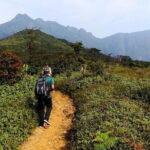
- Tea trail uphill to bush forest: what the trail feels like
- The quiet rocky plateau and Knuckles peak views
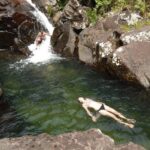
- Waterfall lunch and the natural pool cool-down
- Downhill on the eastern slope: where people feel it
- Difficulty level: “medium grade” with real-world legs
- What’s included at $108 per person (and why it feels fair)
- What to bring: your “don’t suffer” kit
- Who this trek suits best in Kandy
- Should you book the Knuckles Leopard Trail from Kandy?
- FAQ
- What are the pickup and trekking times from Kandy?
- How long is the trekking and how far do you walk?
- What kind of difficulty should I expect?
- Do I get a lunch break during the hike?
- Is swimming included?
- What should I bring for this trek?
Key highlights on the Knuckles Leopard Trail
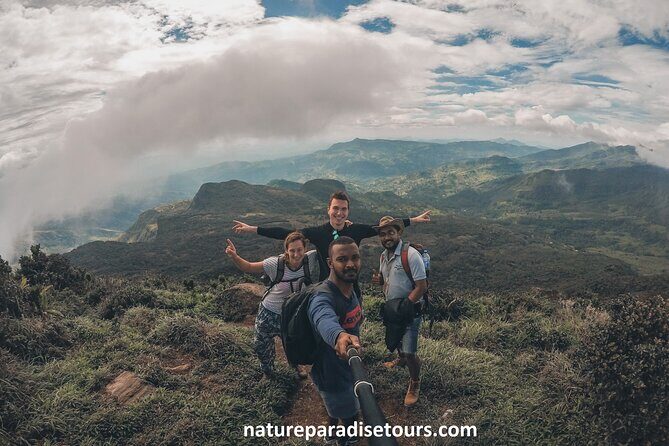
- Tea trail uphill into Knuckles Conservation Forest with gravel, rocky sections, and changing forest feel
- Endemic flora and fauna spotting guided by an English-speaking local who knows what to look for
- Wooden bridges and bush-forest paths where the trail gets quieter and the birds get louder
- Silent rocky plateau and peak views near Knuckles for that big “Sri Lanka mountain” feeling
- Waterfall picnic and natural pool time (when conditions allow) to cool off
- Full-day trekking rhythm: 6–7 hours walking, plus a 1.30-hour drive from Kandy
From Kandy to the Knuckles range: timing that matters
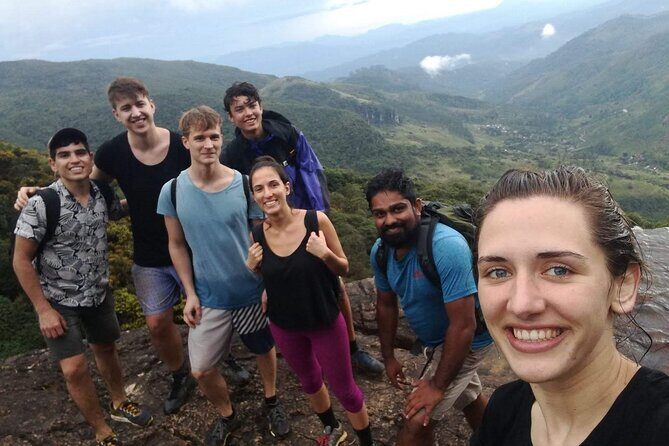
This tour is built like a real hike day, not a casual half-day. You get picked up at your Kandy hotel between 7:00 am and 7:30 am, then you drive toward the Knuckles Mountain range (about 1.30 hours). Because you’re leaving early, you avoid the worst heat and you also get more comfortable light for photos before you’re deep in the forest.
Trekking typically begins around 9:30 am to 10:00 am. One thing to remember: even after the drive, there may be a short walk on foot to the official start point. In other words, don’t plan on “only” doing the main hike; your day is a package.
The altitude range is 1000 to 1900 meters, so it can feel cooler than you expect once you gain elevation. That’s a good thing for hiking comfort, but it also means you should respect the day’s exertion level. You’re out for 6–7 hours of trekking, and the full distance is 16–21 km depending on how the day’s route plays out.
More Knuckles Range Treks in Kandy & Sri Lanka's Hill Country
Tea trail uphill to bush forest: what the trail feels like
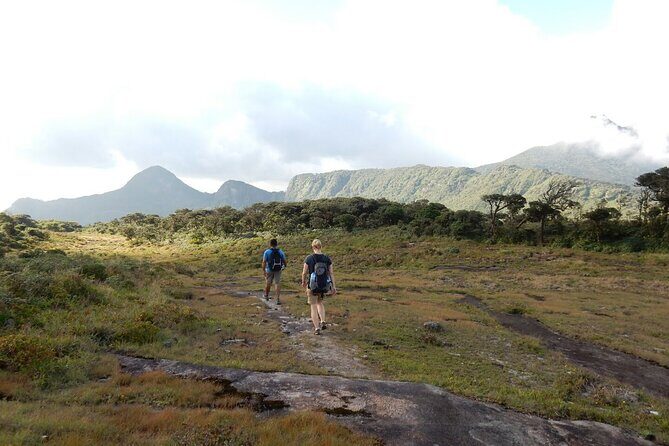
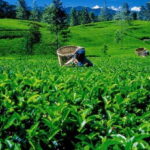
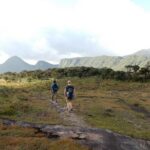
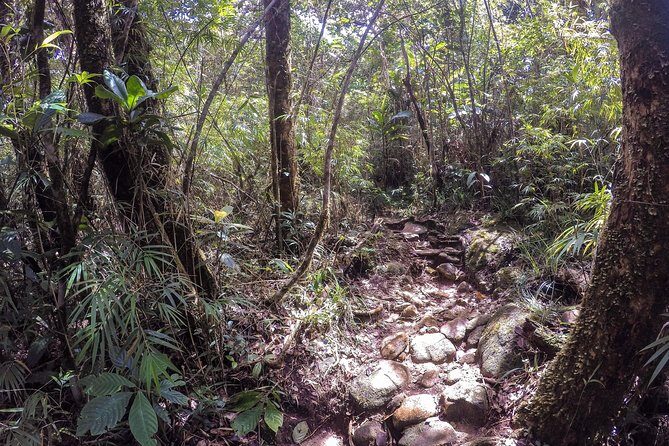
The morning part is all about earning the views. You head uphill along the tea trail, then move into areas described as a bush forest and evergreen dwarf forest. The surface is not one kind of terrain the whole time. You’ll meet gravel rocky paths, forest-floor sections that can be slick, and places where you need careful footing.
Expect to cross wooden bridges. They’re not there for decoration—they’re part of how water and forest cuts move through the area. On days with recent rain, wooden planks can feel stable but still slick, so keep your pace steady and your eyes on your feet.
This is also where your guide’s work becomes the difference between “I hiked” and “I learned the place.” The day includes guided spotting of endemic flora and fauna. In plain terms, you’ll get help noticing plants and animal clues that you’d miss if you were alone—things like distinctive leaves, creeping growth, and the trail’s small signs of bigger life. One group noted leopard-trail signs, including leopard tracks, which tells you the guide is scanning for more than just scenery.
The quiet rocky plateau and Knuckles peak views
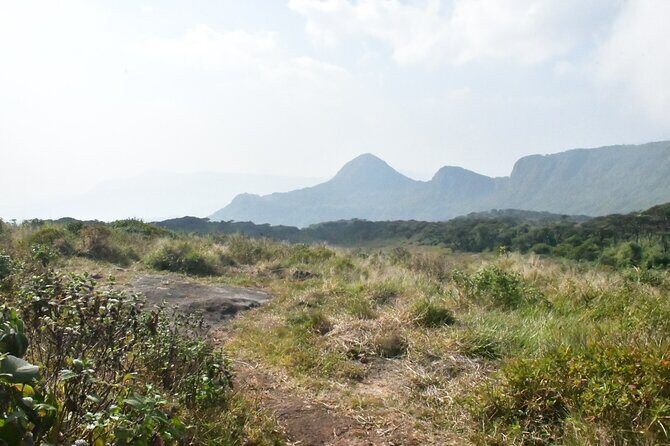
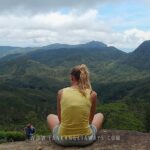
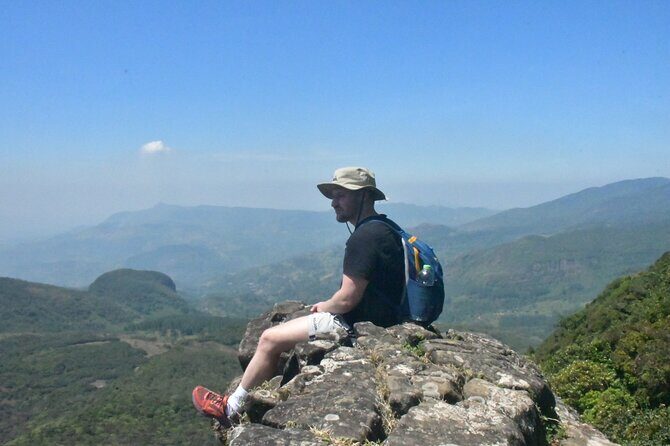
Later, you reach a stretch described as a silent large rocky plateau and a peak-view walk. This is one of those parts of Knuckles that feels different from the tea slopes. You trade dense, shaded sections for more open rock, wider air, and more “mountain breath.”
What I like about this setup is the payoff is earned in steps. You don’t just sprint to a viewpoint and call it done. You climb through forest, then you’re rewarded with a plateau mood—still, wide, and more dramatic for photos. You’ll also get that classic ridge feeling where the valley lines look layered and far away.
Some days include time to reach the Knuckles peak area or a turning point near it, depending on how the route is paced. Either way, treat this segment as your “focus up” moment: slow down for footing, then look up. The best views come when you stop rushing.
Waterfall lunch and the natural pool cool-down
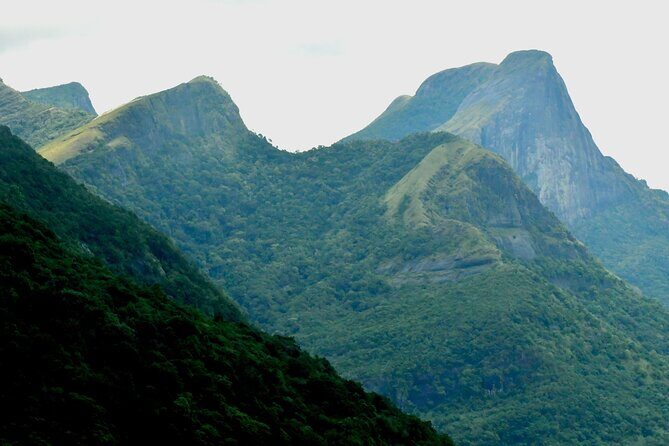
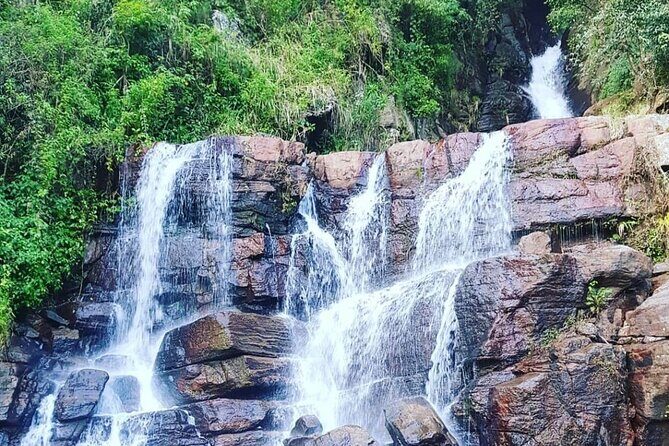
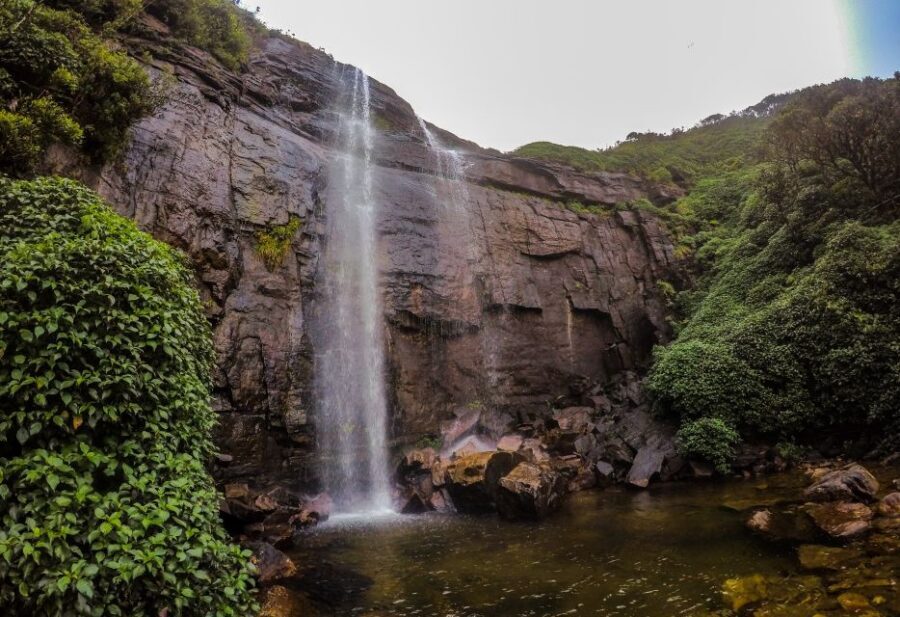
At the picnic stage, the tour shifts from hiking mode to recovery mode. Your lunch is a picnic and the setting is built around water. The plan may include a waterfall location with a natural pool, or it may be tied to the Knuckles peak area if the day’s timing/location makes that the practical choice.
This is where swimwear matters. You’re advised to bring swim clothes, and the idea is that you might get the chance to cool off after the climb. Even if you decide not to swim, you’ll still appreciate the change of pace and the sound of water around you.
One practical caution: waterfalls and natural pools also mean slick rocks. If you do swim, keep it simple—quick dip, get out safely, dry off when you can, and keep your hiking energy for the downhill.
Downhill on the eastern slope: where people feel it
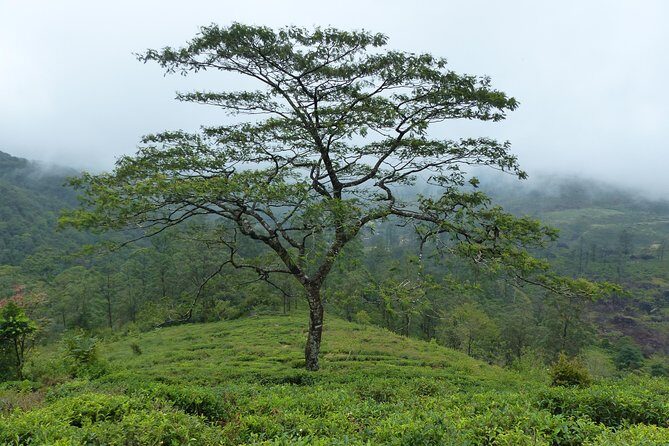
After the turning point, the day becomes a downhill trek on the eastern slope. Downhill sounds easier than uphill, but it can be harder on knees and ankles, especially when the ground is muddy, wet, and mixed rocky.
This is why you’ll see constant emphasis on shoes and rain gear. You don’t just need footwear with grip—you need footwear you trust with long descents. You may finish with your clothes damp and dirty; that’s part of the deal in this kind of rainforest hiking.
Also, downhill changes the rhythm. The temptation is to rush because the route is dropping. Don’t. Controlled steps protect your legs, and they help you enjoy the smaller things—plants near the trail, bamboo growth, and the subtle shifts in the forest as you move.
You typically wrap up the trekking around 4:30 pm to 5:00 pm, then head back to Kandy. Traffic can stretch timing slightly, but you should count on an evening return.
Other hiking tours in Kandy
Difficulty level: “medium grade” with real-world legs
The tour lists the grade as hard medium. That’s a useful phrase, because “medium” can mean wildly different things in different places. Here, it’s medium-hard because you’re looking at 6–7 hours of trekking, plus 16–21 km and an altitude climb to 1900 meters.
If your fitness is average, you can still do it, but you need two things:
- A willingness to move steadily for hours
- Comfort walking on uneven ground (rock, gravel, possibly wet sections)
This is not suitable for people with low level of fitness, and it’s not for children under 5. It also isn’t recommended if you have altitude sickness issues. If that describes you, pick a gentler option in the Kandy area.
The upside? You’re not doing a technical climbing route. You’re hiking. And your guide adjusts pace in real time, which matters more than “difficulty level” labels.
What’s included at $108 per person (and why it feels fair)
At $108 per person, you’re paying for more than just the hike. The included items are practical for a full day outdoors:
- Private transportation
- Entry/Admission to the Knuckles Conservation Forest
- Guided trekking in English
- Picnic lunch
- Bottled water
- Coffee and/or tea
- All fees and taxes
Here’s how I see the value: a big chunk of the day is logistics—getting out of Kandy early, reaching the trail area, and bringing you back safely. The entrance fees and a trained guide’s time also add up fast if you tried to piece it together on your own.
If you’re the type who likes guided nature days, this price is more about buying a smooth day and knowledgeable trail guidance, not just paying for steps.
What to bring: your “don’t suffer” kit
This is a hike where you may end up muddy, wet, and dirty afterward. Pack for comfort and safety, not for looking clean.
Bring:
- Trekking shoes (non-negotiable for grip)
- Rain jacket or real rain gear
- Sun cream
- Small daypack
- Swimwear (if you want the natural pool option)
- A backup layer if the forest cools down at higher elevation
Optional but smart:
- A quick-dry towel or small towel (not listed, but it matches the expected wet day)
- Plastic bag to keep phones and spare items dry
Also, plan your outfit as something you don’t mind getting stained. Your “clean clothes for dinner” plan can survive with a laundry stop later, but don’t count on staying dry on this trek.
Who this trek suits best in Kandy
This Knuckles Leopard Trail day from Kandy is a strong fit if you want a guided forest hike with real biological focus. You’ll enjoy it most if you:
- Like hiking with a nature guide who points out endemic plants
- Want waterfall time instead of “just another viewpoint”
- Prefer guided walking where pace and stops are managed for you
It’s also ideal if you like the idea of tracking the wild without pretending you’re trying to hunt it down. Signs like leopard tracks are the kind of wildlife clue that makes sense here—quiet evidence, not a circus.
It’s not a great fit if you’re hiking-only for easy scenery, or if you’re dealing with altitude sensitivity or low fitness.
Should you book the Knuckles Leopard Trail from Kandy?
Book it if you want a full, well-timed day in the Knuckles range that combines a guided forest experience with a plateau-and-peak payoff and a real lunch break that includes waterfall vibes. The best part is the way the guide’s attention turns the hike into a living walk through endemic habitats.
Skip it (or choose a gentler route) if you know you struggle with long walking days, slippery downhill sections, or you’re worried about getting muddy and wet. This trek doesn’t pretend you’ll stay clean, and that’s honestly refreshing.
If you’re ready for a medium-hard day and you want your Kandy time to include forest, waterfalls, and wildlife clues, the Knuckles Leopard Trail is a very solid choice.
FAQ
What are the pickup and trekking times from Kandy?
Pickup is scheduled between 7:00 am and 7:30 am. Trekking starts around 9:30 am to 10:00 am and ends about 4:30 pm to 5:00 pm, depending on your hotel location and traffic.
How long is the trekking and how far do you walk?
You should expect 6 to 7 hours of trekking, covering roughly 16 to 21 km.
What kind of difficulty should I expect?
The tour lists the grade as hard medium. It’s suitable for people with normal fitness, but it can be challenging due to distance, elevation (1000 to 1900 meters), and uneven ground.
Do I get a lunch break during the hike?
Yes. You’ll have a picnic lunch during the trekking, and the lunch spot is described as being at a waterfall with a natural pool or near the Knuckles peak area.
Is swimming included?
Swimming isn’t guaranteed, but the plan includes waterfall/pool time and you’re advised to bring swimwear if you want the chance to cool off.
What should I bring for this trek?
Bring trekking shoes, rain jackets/rain gear, sun cream, a small daypack, and swimwear. You’ll also likely want clothes you don’t mind getting muddy and wet.