REVIEW · KANDY
Udawalawe National Park Private Full-Day Safari
Book on GetYourGuide →Operated by Lakpura® · Bookable on GetYourGuide
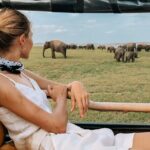
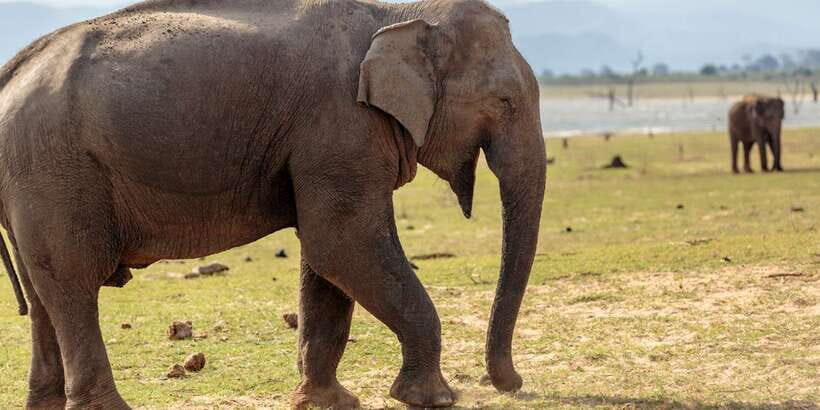
Elephants show up in Udawalawe. A full-day private safari through marshes, forests, and grasslands pairs up-close wildlife time with an English-speaking guide who helps you actually see what’s there. I love the chance to watch Sri Lankan elephants in real conditions near water, and I also love how a good tracker like Asnka takes the time to observe without pushing wildlife around. The one drawback is simple: park entrance fees and food are not included, so you’ll need to plan your budget and bring what you’ll eat.
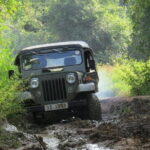
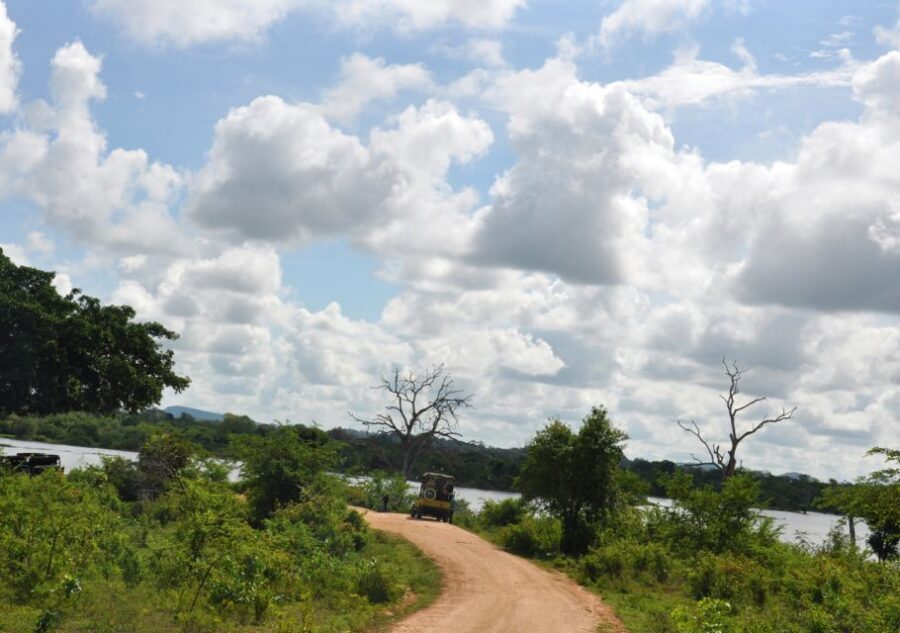
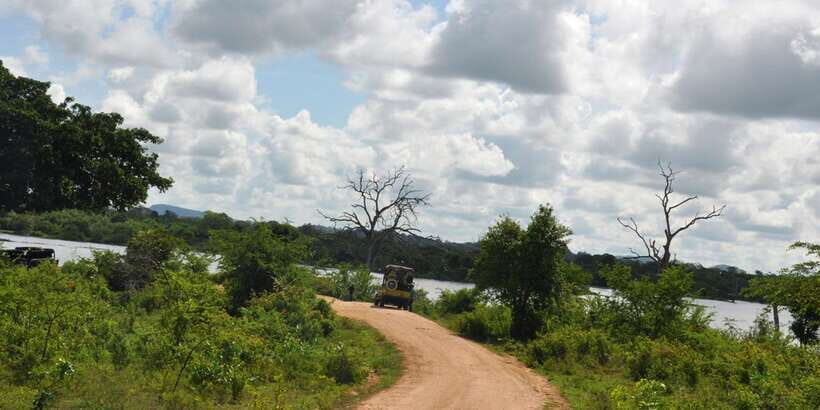
With a maximum of 6 passengers in a 4×4 Jeep, this doesn’t feel like a crowded cattle truck. You’ll spend hours scanning wetlands and savanna habitats, keeping an eye out for crocodiles, deer, water buffalo, foxes, and a long list of birds. You’ll also want to bring ID and drinks, since food isn’t part of the package even though water is.
Timing-wise, this is built for a full day. You’re back at the park entrance around 5:00 PM, which makes it a great activity when you want one long wildlife block instead of hopping between half-plans. Just be ready for a lot of sitting, spotting, and patience.
In This Review
- Key highlights you’ll feel during the safari
- Udawalawe’s habitats: why you see more than elephants
- The private 4×4 experience: comfort, control, and better sightings
- Reservoir time: crocodiles, birds of prey, and elephant drinking breaks
- Wildlife beyond elephants: what to watch for in grasslands and wetlands
- Why the guide matters: the real value of a tracker
- It’s a full day, so bring what you actually need
- Price and value: $50 per person for a private wildlife day
- Timing and meeting point: knowing where your day starts
- How to improve your odds of spotting wildlife
- Who should book this safari (and who might skip it)
- FAQ
- How long is the Udawalawe National Park private safari?
- Where do I meet for the safari?
- What type of vehicle is used?
- How many people are in a Jeep?
- Is the national park entrance fee included?
- What’s included in the price?
- Do I need to bring food?
- Do I need ID or a passport?
- Are pets allowed?
- Should you book this Udawalawe safari?
Key highlights you’ll feel during the safari
- A small 4×4 group (up to 6), so your guide can stop where sightings actually happen
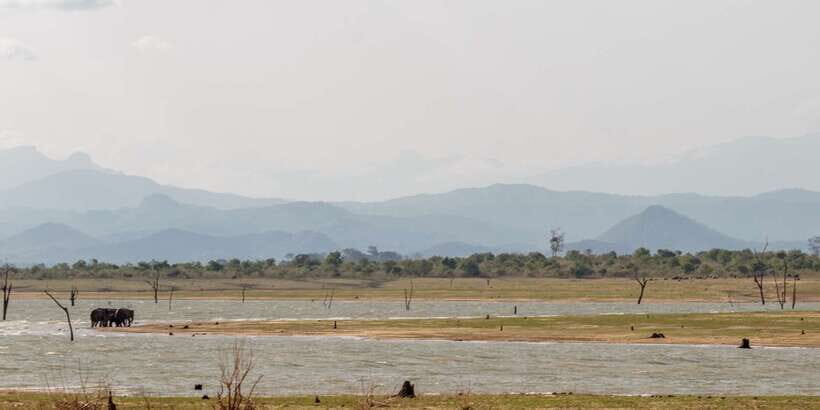
- Udawalawe Reservoir moments: crocodiles on banks and elephants coming in to drink and rest
- Elephants plus the rest of the food chain: deer, water buffalo, wild boar, foxes, and wetland wildlife
- Birdwatching that isn’t an afterthought, including birds of prey fishing around the reservoir
- Guide skills that cut through the noise, using smarter positioning to help you spot animals sooner
- Water included, which matters during long wildlife hours when you’re focused on sightings
Udawalawe’s habitats: why you see more than elephants
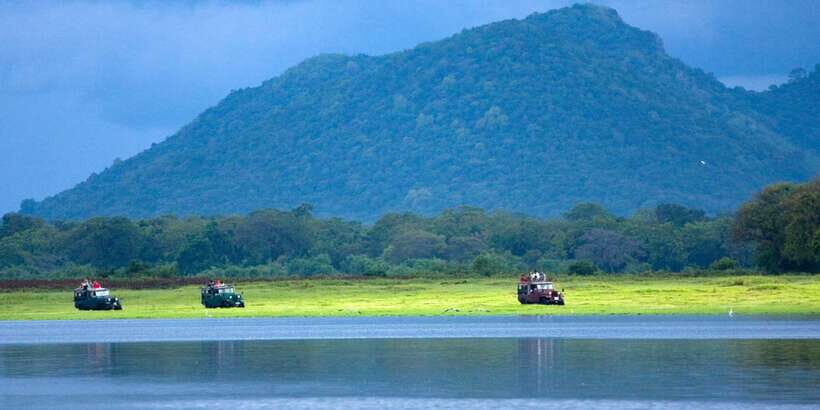
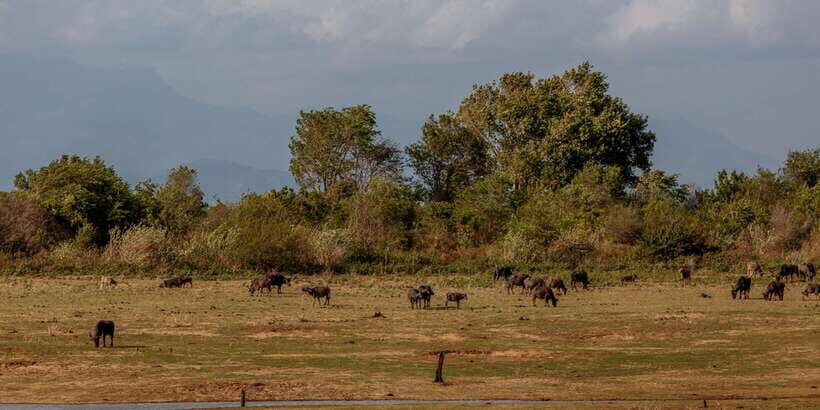
Udawalawe National Park is famous for elephants, but the real magic is that it’s not one single scenery type. Your route typically moves through different habitat zones, and that matters because wildlife use space differently. In the grasslands, you’re looking for movement and feeding. In wetter areas near water, you’re watching for quiet shapes along the edges—resting crocodiles, birds working the surface, and large animals coming in to drink.
This safari is set up for exactly that kind of “habitat hopping” within the park. You’re not just driving around hoping for luck. With an experienced driver/tracker, the goal is to increase your odds by focusing your time where animals are likely to be—especially around water sources.
And yes, elephants are the headline. But when you pair them with the reservoir setting and the surrounding birds and reptiles, the day feels fuller. It’s not just the big moments; it’s the way everything connects: elephants at the water, crocodiles in the banks or swimming, birds reacting to fish and movement, and other animals using the same water landscape from different angles.
More National Park Safaris in Kandy & Sri Lanka's Hill Country
The private 4×4 experience: comfort, control, and better sightings
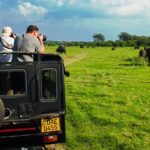
The safari runs in a 4×4 Jeep, with a maximum of 6 passengers. For wildlife watching, that small number is a big deal. Less crowding means less noise and fewer interruptions. It also means your guide can adjust on the fly—pull up, slow down, or reposition when an animal appears.
You also get the practical perks that often get overlooked in “cheap safari” offers:
- The price includes water
- All taxes and service charges are included
- The driver/tracker is part of the experience, not an add-on
There’s also a private group setup, so you’re not stuck with strangers who may rush photos or treat wildlife like a drive-through. You’ll still need patience—wildlife doesn’t run on a schedule—but the environment around you is calmer.
If you’re thinking about comfort: you’ll likely spend a lot of time scanning from the Jeep, so wear something you can sit in for a while. And keep in mind you’ll be out for about 9 hours total, with a return around 5:00 PM.
Reservoir time: crocodiles, birds of prey, and elephant drinking breaks
One of the most compelling parts of this safari is the focus on the Udawalawe Reservoir area. This is where the wildlife patterns get obvious because water concentrates activity.
Here’s what you can expect to look for around the reservoir:
- Crocodiles resting along the banks or swimming about in the lake area
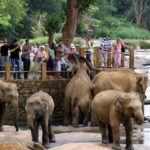
- Elephants showing up in groups to quench thirst and take breaks
- Birds of prey fishing around the water, using the surface and shoreline activity
The reservoir backdrop also gives your viewing a strong sense of place. Those huge local mountains in the distance make it feel like you’re watching a real ecosystem, not just ticking off animals. And when elephants come to the water, you get behavior that’s different from occasional sightings in open grass. Drinking, resting, and moving slowly as a group gives you more time to observe how they use the landscape.
One more benefit: crocodiles plus birds of prey changes the viewing rhythm. If you’ve only seen mammals on safari, you might not expect the day to include slow reptile moments and fast hunting moments in the same time window. Udawalawe pulls that mix together.
Wildlife beyond elephants: what to watch for in grasslands and wetlands
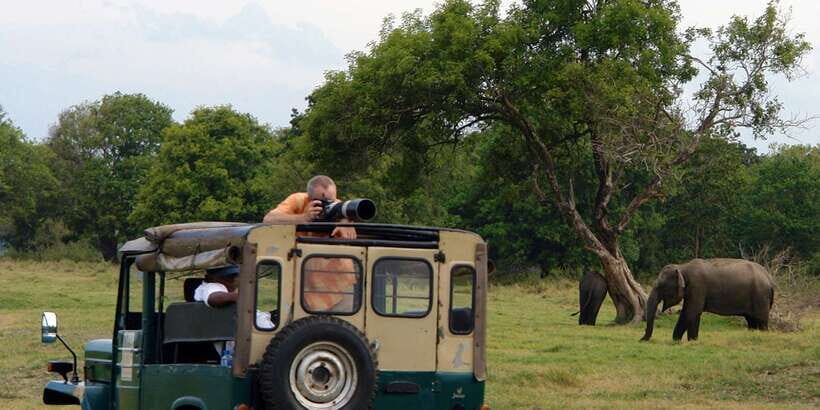
Udawalawe’s reputation is elephants first, but the day is also built for variety. As you move through marshes, forests, and grasslands, your guide is helping you spot animals that show up in different ways—some are easy if you’re looking right, others show up as movement or silence.
Keep an eye out for:
- Elephants in their natural habitat
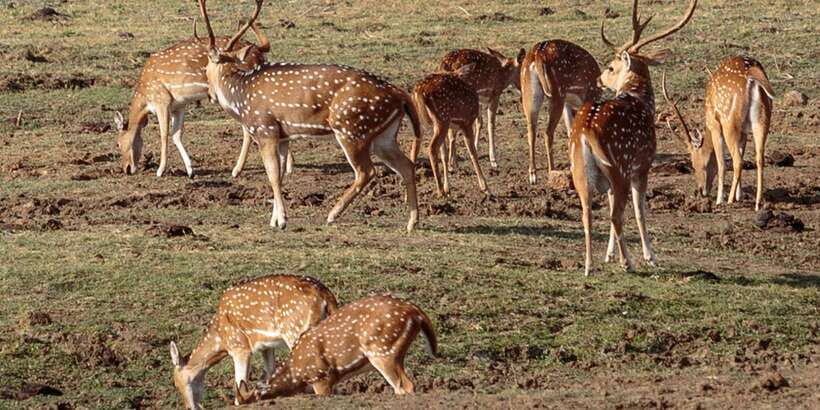
- Foxes, deer, and hares
- Water buffalo
- Mongooses and bandicoots
- Wild boar
- Crocodiles in wetland sections
- A wide range of birdlife throughout the day
What I like about this mix is that it reduces the odds of a disappointing day. If the elephants are quiet at one moment, you’re not stuck staring at empty grass. You can shift your focus to smaller mammals moving along edges, to birds reacting to activity, or to crocodiles using the shoreline.
Also, pay attention to how your guide approaches stops. A good guide doesn’t treat sightings like a target screen. They move with an eye for minimizing disturbance, giving you time to observe without forcing wildlife to change behavior.
Why the guide matters: the real value of a tracker
On safari, the guide is the product you’re actually buying. This experience leans hard on that, using an experienced driver/tracker to help you find animals and understand what you’re seeing.
In particular, Asnka comes up in the best way from past bookings: friendly, attentive, and focused on taking time to observe. The common thread is that the guide uses good positioning and timing to help you see wildlife while staying respectful of the environment. You can also tell when a driver has an eye for movement—spotting animals even while focusing on driving.
For you, that means two practical things:
- Your time is more efficient. Instead of endless slow scanning, you’re guided toward areas with active wildlife.
- You’re more likely to see multiple species in a day, not just one big highlight.
If you’re the type who enjoys learning, you’ll probably appreciate the lifestyle-focused explanations about what the animals are doing and why. If you just want to watch, you’ll still benefit, because understanding behavior often helps you notice the animal’s next move.
Other private tours in Kandy


It’s a full day, so bring what you actually need
This is a long safari—around 9 hours—with a return to the gate around 5:00 PM. Plan for the reality of being outside for that long.
What to bring (based on the tour instructions):
- Passport or ID card
- Food and drinks
Water is included, but food and drinks beyond that are not. If you don’t want to rely on finding something along the way, pack your own simple meal and snacks. Some people also prefer having the flexibility to stop for an optional midday lunch if it’s available, but don’t count on a specific lunch service as part of the core plan.
A couple of small practical reminders:
- This is not a pet-friendly activity. Pets are not allowed.
- You’ll likely want to have your ID handy from the start, since meeting is at the Udawalawe gate area.
Price and value: $50 per person for a private wildlife day
At about $50 per person, this can be a strong deal compared with more expensive safari formats—especially because it’s private and runs in a 4×4 Jeep capped at 6 passengers. The included cost items matter: water is provided, and taxes and service charges are already included.
That said, be sure you budget for what’s not included:
- National park entrance fees
- Food and drink
- Personal expenses
Here’s how I think about it for value. If you’re traveling with 1–5 people and you want a guide who can focus on your group, the private setup reduces the “shared chaos” factor and often makes the day feel more personal. The cost also makes it easier to add this to your itinerary without it becoming the main budget drain.
But if you’re the kind of traveler who expects everything to be handled start-to-finish (including meals), you’ll need to do a bit more pre-planning. In other words: the tour price covers the safari and the core logistics, and you cover your own food.
Timing and meeting point: knowing where your day starts
The meeting point is at the Udawalawe National Park Gate. From there, the safari runs for about 9 hours, and you return to the entrance by around 5:00 PM.
If you’re hoping for pickup from your hotel, there is evidence that some guides can arrange hotel pickup and drop-off for private bookings. Since the official meeting point is the gate, I’d treat pickup as something to confirm when you book, not something to assume.
The key for you is to plan around a full-day block and treat the park entrance as the anchor point. That keeps things simple when you’re scheduling other activities.
How to improve your odds of spotting wildlife
Udawalawe rewards attention. Even with a great guide, you’ll see more if you adopt a simple mindset: scan slowly, watch edges, and stay calm.
Try this during stops:
- Focus on the water edges and shoreline when you’re near the reservoir
- Scan for slow movement first, then details
- When you hear birds of prey activity, look toward the water surface and nearby shoreline
- Let your guide lead the stopping points, but keep your eyes busy—wildlife appears quickly and then stays still
Also, if the guide pauses longer than you expect, that’s often a good sign. Wildlife watching isn’t always about speed; it’s about giving animals time to resume normal behavior so you can watch without pressure.
Who should book this safari (and who might skip it)
This is a great fit if you want:
- A private, full-day wildlife experience in Udawalawe
- Elephants as the main event, plus crocodiles and birds around the reservoir
- A guide-driven safari where spotting skills and animal respect are part of the package
It might be less ideal if:
- You don’t want to manage your own food and drinks for a long day
- You prefer short, low-effort activities with minimal time in the Jeep
If you’re a nature-first traveler, this kind of day usually lands well because it’s long enough to get more than one “wow” moment—and structured enough that you’re not just taking luck-based drives.
FAQ
How long is the Udawalawe National Park private safari?
It runs for about 9 hours, with return to the park entrance around 5:00 PM.
Where do I meet for the safari?
The meeting point is at the Udawalawe National Park Gate.
What type of vehicle is used?
The safari is done in a 4×4 safari Jeep.
How many people are in a Jeep?
The Jeep is limited to a maximum of 6 passengers.
Is the national park entrance fee included?
No. Entrance fees to the national park are not included.
What’s included in the price?
It includes the safari in the Jeep, an experienced driver/tracker, all taxes and service charges, and water.
Do I need to bring food?
Yes. Food is not included. You should bring food and drinks.
Do I need ID or a passport?
Bring a passport or ID card.
Are pets allowed?
No, pets are not allowed.
Should you book this Udawalawe safari?
If you want one focused wildlife day with elephants as the centerpiece, this is a solid choice—especially because you get a small private Jeep group and an experienced tracker who helps you spot animals and observe them thoughtfully. The price feels fair for what’s included, but only if you plan for the extras: park entrance fees and your own meals. If that fits your style, book it and set your expectations for a long, patient day in the wild rather than a quick sightseeing sprint.