REVIEW · KANDY
Private Traditional Sri Lankan Cooking Class in Kandy with Hotel Transfers
Book on Viator →Operated by Yummy Kandy Cooking Class · Bookable on Viator
Cooking with Chitra turns Kandy into your practice kitchen. You’ll learn Sri Lankan dishes step by step, and you get to make the meal yourself—then sit down and eat what you cooked with your instructor.
I also love the fact that this is private to your group, with small-group attention plus hotel pickup that keeps the day stress-free. One consideration: it’s about three hours, so it’s enough to learn techniques and eat well, but not enough to fully master every detail of the recipes.
In This Review
- Key highlights
- Why this Kandy cooking class works (and not just because you eat)
- Hotel pickup, tea welcome, and a real plan for your time
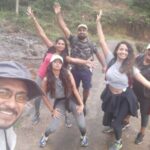
- The Hanthana Mountain Range stop: start outdoors, then move to flavor
- Spices and vegetables: how Chitra sets you up to cook
- Choosing your curry: making the class yours
- Hands-on cooking time: chopping, cooking, and learning by doing
- Eating together at the end: why the meal is part of the education
- Vegan and gluten-free: real options, not a separate punishment menu
- Price and value: is $120 worth 3 hours?
- Who should book this class in Kandy (and who might not)
- Should you book it with hotel transfers?
- FAQ
- FAQ
- What time does the cooking class start?
- Is hotel pickup included?
- How long is the cooking class?
- Do I get to choose what I cook?
- Are vegan and gluten-free meals available?
- Do we eat the food after cooking?
- Is this class private or shared with other groups?
- Can I get a full refund if I cancel?
Key highlights
- Hotel transfers keep you on schedule, no awkward taxi math.
- Hanthana Mountain Range is the day’s first stop, so the session starts outside the kitchen.
- You choose your curry, then chop vegetables and cook with guidance.
- Tea or coffee welcome sets a relaxed tone before the spice lessons.
- Vegan and gluten-free options are available, and they can handle requests without drama.
- Dine on your creations at the end, with Chitra and your group.
Why this Kandy cooking class works (and not just because you eat)
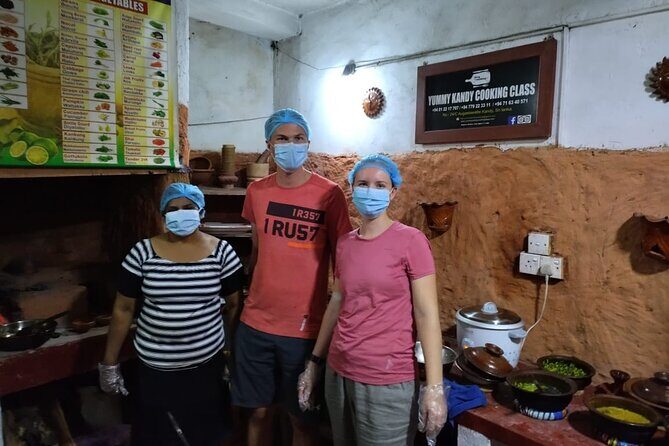
I’m a fan of cooking classes where you don’t just watch someone else work. This one earns its keep because you do the actual food work: cutting, prepping, and cooking while Chitra guides you through the spices and vegetables. That hands-on approach matters. Food knowledge you can use at home sticks better than a pile of instructions you forget after the tour photos.
The other thing I like is the meal at the end. You’re not dismissed with a polite thank-you and a promise to email the recipes. You cook, then you eat together as part of the experience. That shared table vibe is where the cultural side shows up—how people talk about flavors, ingredients, and what makes each dish Sri Lankan in the first place.
Finally, the “private tour/activity” format is practical. You’re not crammed into a mixed group where your questions get swallowed. Small-group attention helps you move from chopping to cooking without feeling rushed.
More Sri Lankan Cooking Classes in Kandy & Sri Lanka's Hill Country

Hotel pickup, tea welcome, and a real plan for your time
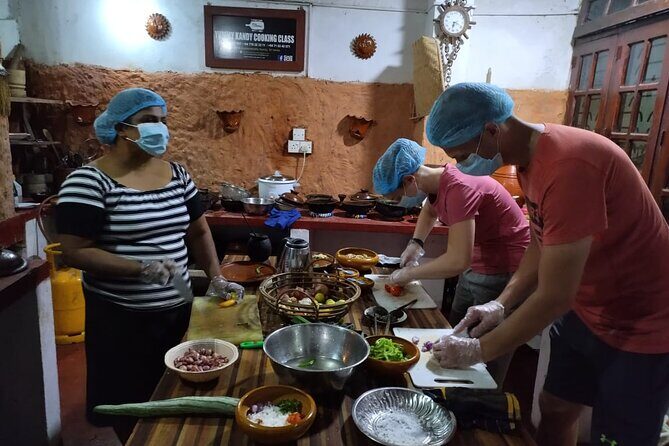
This experience starts with hotel pickup in Kandy, which is a big deal if you’re spending limited days in town. It removes one of the most common travel annoyances: figuring out transport while also trying to arrive on time and stay on schedule.
After pickup, you’ll get a welcome drink—tea or coffee—before you start learning. That short pause is more than politeness. It’s the moment where you get oriented, then the session shifts into the practical stuff: spices and vegetables.
You’ll also get to control the menu. You can choose what curry you want to make, and that choice shapes how the cooking session flows. If you care most about lentils, you can steer toward lentil-based dishes. If you’re curious about fruit curries, you can pick something like jackfruit curry. The point isn’t just variety—it’s that you leave with confidence cooking a dish you actually chose.
The timing also matters. With a 10:00 am start and an approximate 3-hour duration, this fits well into a day that still has time for Kandy sights afterward. It’s long enough to feel like an actual class, short enough not to steal your whole morning.
The Hanthana Mountain Range stop: start outdoors, then move to flavor
One specific stop is listed: Hanthana Mountain Range. Even with limited detail on what you do there, the scheduling tells you something important: your day isn’t only kitchen-bound. You begin with a bit of the Kandy region’s geography before you go into ingredients and cooking.
Why that’s valuable: cooking can feel abstract until you’ve got a sense of place. A quick start outside helps the rest of the lesson feel less like a generic cooking show and more like food tied to the environment—spices, vegetables, and the way dishes are built.
A possible drawback here is simply what comes with any scenic start: you’ll want to be ready for a short transition period. If you’re the type who likes every minute mapped, keep your morning flexible. This isn’t a sit-down, start eating immediately setup.
Spices and vegetables: how Chitra sets you up to cook
After the initial pickup and welcome drink, the session shifts into a guided intro to spices and vegetables. That part is often the difference between a class that’s fun and one that makes you smarter.
Instead of treating ingredients like random labels, you get explained context—why certain ingredients show up and how vegetables play a role in texture and flavor. Then you get practical: you can cut and chop vegetables. That’s where the learning locks in, because you see how the prep affects cooking time and the final dish.
Chitra is the named instructor, and the overall tone around the class is one of friendly family-business energy paired with real instruction. The best reviews emphasize that the cooking is authentic and the conversation at the table is interesting. That matters because in Sri Lankan cooking, flavor isn’t one spice alone. It’s the way ingredients connect—how heat, aromatics, and vegetable prep work together.
If you’ve cooked at home before, you’ll probably like how the class gives you a method. If you haven’t, you’ll still be fine because the structure is built for beginners who want to learn step-by-step.
Choosing your curry: making the class yours
You’ll be able to choose what you cook. That’s not just a customization perk; it changes your experience in a useful way. When you pick the curry, you’re more likely to pay attention to the steps that matter most to that dish.
The class includes examples of the kind of dishes you might make, including lentils and jackfruit curry. Lentils are great for learning spice balance and texture, while jackfruit curry teaches you how a fruit becomes savory through seasoning and slow flavor-building.
Once you’ve chosen, you’ll cook with instruction. You can chop vegetables and participate actively rather than being stuck in spectator mode. That makes the class feel like a skill session, not a performance.
One thing to think about: if you have strong preferences or allergies beyond what can be handled as vegan or gluten-free, the data provided doesn’t specify. So if you have other restrictions, message the operator when booking and ask how they handle them.
Other private tours in Kandy



Hands-on cooking time: chopping, cooking, and learning by doing
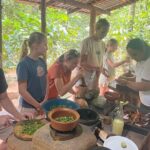
This class is built around active prep and guided cooking. You’ll cut and chop vegetables during the process. That means the kitchen part is real work, not just stirring a sauce for ten minutes.
Here’s what that teaches you:
- How vegetable size and prep influence texture.
- How spice combinations come together during cooking, not just what’s added at the start.
- That Sri Lankan curries often depend on layering flavor, not throwing everything in at once.
And because the group size is small and it’s private for your group, you’re more likely to get your questions answered while you’re mid-recipe. That’s where cooking classes can succeed or fail. If you wait until the end, the learning becomes vague. If someone can correct your technique while you’re doing it, you leave with real understanding.
Also, the lesson is only about three hours. That’s short, so the class pace is likely efficient. The upside is you’ll stay focused. The downside is you won’t have the luxury of redoing every step multiple times. Think of it as a strong first lesson, not a mastery workshop.
Eating together at the end: why the meal is part of the education
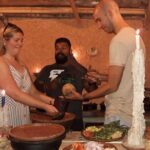
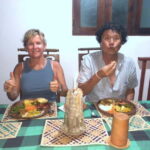
At the end, you eat your creations with Chitra and fellow students. That’s a key feature, and it’s not just a reward. It’s part of the learning loop: you cook, you taste, and you connect flavor results to the prep decisions you made.
The best feedback points to how enjoyable that table time is. People talk about what they made and what stood out. In a class like this, that conversation can help you pick up details you wouldn’t catch from a recipe card alone—like how different spice balances change the dish’s character.
It’s also where dietary flexibility shows up. Vegan and gluten-free options are available, and requests for vegan meals have been handled without issues. That’s important. Some classes advertise dietary options but still make it feel like an afterthought. Here, the evidence points to adjustments being practical.
Vegan and gluten-free: real options, not a separate punishment menu
If you eat vegan or need gluten-free food, this is one of the main reasons to book. The class states that vegan and gluten-free recipe options are available. That means the session isn’t only designed for a standard menu.
From the tone of the experience, the kitchen approach seems adaptable: you’ll still be cooking with instruction, not waiting on a different plate that arrives too late. And since the meal is eaten together at the end, you’re not stuck sitting out or eating something unrelated.
If you have celiac disease or another strict gluten issue, you’ll still want to confirm how they manage cross-contact. The provided info only says gluten-free options exist, not how ingredients are separated. Still, the fact that accommodations are part of the class plan is a strong starting point.
Price and value: is $120 worth 3 hours?
At $120 for about 3 hours, you’re paying for three things at once: an instructor (Chitra), hands-on lesson time, and hotel transfers. Food classes can be cheap, but then you often lose either convenience or depth. This one tries to include the convenience with pickup and the depth with active prep and cooking.
To judge value, look at what you get beyond the kitchen:
- You receive a welcome drink and an ingredients/spices orientation.
- You choose a curry, cook it with guidance, and then eat it.
- It’s private to your group with small-group attention.
If you’re in Kandy for a short stay, hotel transfers can quickly become “free value,” because they protect your schedule. And if you want authentic Sri Lankan cooking rather than a generic cooking demo, the chance to make lentils or jackfruit curry adds real variety to what you take home.
The price won’t feel like a bargain if you only want to taste a dish. But if you want skills and a meal built from your own work, the cost lines up with that effort.
Who should book this class in Kandy (and who might not)
I think this experience is a strong match if you:
- want an authentic Sri Lankan cooking session with an instructor who leads the whole flow
- like learning by doing—chopping, cooking, and tasting in the same morning
- care about dietary options like vegan or gluten-free
- prefer private, small-group attention over a crowded format
You might think twice if:
- you’re expecting a long, slow culinary deep practice (this is about three hours)
- you don’t want to do any chopping or active prep at all
- you want a very structured lecture with minimal hands-on cooking (this is hands-on by design)
Should you book it with hotel transfers?
Yes, I’d book it if you want a practical Kandy morning that ends in a real meal you helped make. The standout ingredients are the combination of private small-group attention, the chance to choose and cook your own curry, and the fact that you eat together with the instructor afterward.
Book it especially if you’re the type who learns best in a kitchen and you want Sri Lankan flavors explained in a way you can repeat later. The Hanthana Mountain Range stop also adds a small “get your bearings” feel before the cooking starts.
FAQ
FAQ
What time does the cooking class start?
The class starts at 10:00 am in Kandy, Sri Lanka.
Is hotel pickup included?
Yes. Pickup from your hotel is offered as part of the experience.
How long is the cooking class?
It runs for about 3 hours.
Do I get to choose what I cook?
Yes. You can choose what curry you want to make, and you’ll help with cutting and chopping the vegetables.
Are vegan and gluten-free meals available?
Yes. Recipe options for vegan and gluten-free diets are available.
Do we eat the food after cooking?
Yes. After the cooking session, you sit down and dine on what you cooked.
Is this class private or shared with other groups?
It’s a private tour/activity. Only your group participates, and small group sizes are used to allow personal attention.
Can I get a full refund if I cancel?
Yes. You can cancel up to 24 hours in advance for a full refund. Cancellation is based on the experience’s local time.