REVIEW · KANDY
Flavours of Sri Lanka
Book on Viator →Operated by Flavours of Sri Lanka · Bookable on Viator
Learning curry in Kandy beats just sightseeing. What I love most is the small-group attention from Chitra and the fact you eat what you cook, not a quick snack. One thing to consider: this is hands-on from the first moment, so come ready to get a little busy in the kitchen.
The experience starts with a home-garden step that makes Sri Lankan cooking feel real, not staged. You’ll learn how curry starts from ingredients and spices, then you’ll see how coconut milk changes the flavor. If you want a sit-back-and-watch class, this likely won’t match your style.
In This Review
- Key highlights to know before you go
- Where it starts: Glory Homestay and a real home-garden prep
- Curry powder and clay pots: you learn the engine, not just the outcome
- Coconut milk step: the texture moment you will remember
- Cooking rice with five curries, with vegan and gluten-free options
- Small group size: why it changes the whole class
- What’s included for the $25 price in Kandy
- The little details that make it feel special
- Who should book this cooking class
- Should you book Flavours of Sri Lanka with Chitra?
- FAQ
- What is the start time and duration?
- Where does the class meet?
- Is it a small group?
- Do you get to eat what you cook?
- Are vegan and gluten-free options available?
- Is alcoholic beverages included?
Key highlights to know before you go
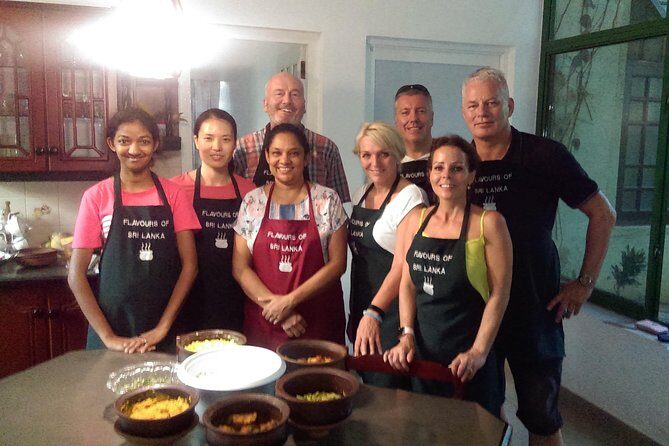
- Home-garden picking for fresh vegetables, herbs, and ingredients at the start
- Curry powder basics the traditional way, explained with the full ingredient and spice lineup
- Cracking coconuts and extracting coconut milk as part of the process, not just watching
- Clay-pot cooking for a typical Sri Lankan meal of rice with five curries
- Diet choices included, with vegan/vegetarian and gluten-free recipe options
Where it starts: Glory Homestay and a real home-garden prep
The class meets at Glory Homestay, 46 Meda Bowala Rd, Kandy (start time is 3:30 pm). It is close to public transportation, which helps if you are mixing this with other Kandy plans.
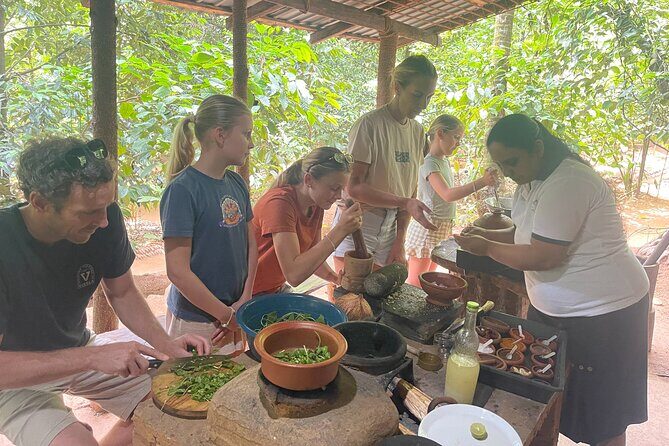
Then you shift straight into ingredients, not instructions on a whiteboard. You’ll go to Chitra’s home garden to pick fresh vegetables, herbs, and other key ingredients. That matters more than it sounds. Sri Lankan cooking leans hard on fresh herbs and fragrant aromatics, and picking them yourself helps you taste the difference later when you eat.
Practical tip: this portion is active and outdoors for part of the start. Wear closed-toe shoes and clothes you do not mind getting a little dust or spice on. Even if things stay neat, garden-to-kitchen energy is hard to keep totally spotless.
More Sri Lankan Cooking Classes in Kandy & Sri Lanka's Hill Country

Curry powder and clay pots: you learn the engine, not just the outcome
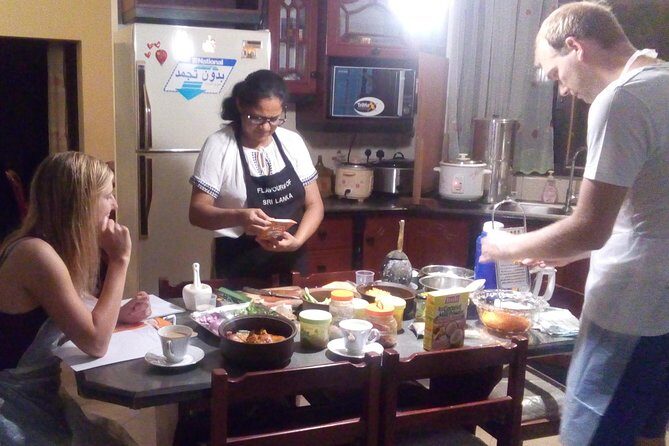
Once you’re back, Chitra brings you into curry as a system. You get an introduction to curries with all ingredients and spices that will be used. The standout is learning the secrets behind the traditional way of preparing curry powder. You are not just following a vague recipe. You’re seeing how the flavor base comes together.
Then you move into cooking a typical Sri Lankan meal, using traditional clay pots. Clay changes how heat behaves and how flavors develop, and the class is built around that traditional method. Even if you cook differently at home, understanding the logic of curry powder and pot cooking gives you a stronger mental model for making Sri Lankan flavors again later.
What you should expect from the “hands-on” part: you will be involved at every step of preparation. That includes the kind of steady kitchen work where you learn by doing, not by watching someone else. For me, that was the point. Curry tastes simple only after you understand what goes into it.
Coconut milk step: the texture moment you will remember
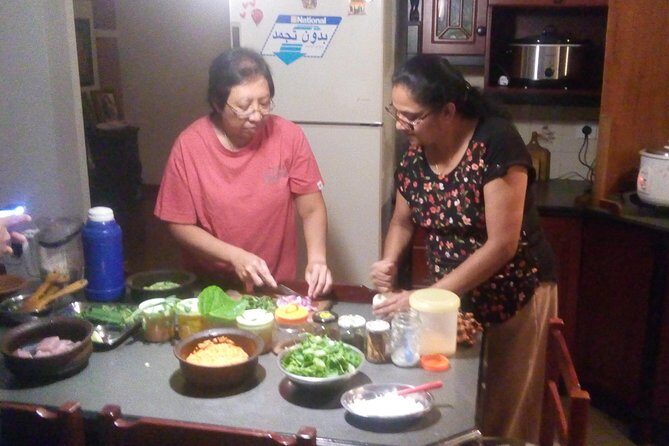
Sri Lankan cuisine leans on coconut milk, and here you do the work that creates it. The class includes cracking coconuts, scraping them, and extracting the coconut milk yourself.
This is one of those steps that instantly makes the rest of the meal click. When you handle the coconut and see how it becomes milk, you understand why coconut shows up in so many curries. You also learn what changes when coconut is in the mix: the curries feel rounder, smoother, and more balanced against spices.
Real-world note: coconut prep can be slightly messy by nature. The class includes kitchen equipment and you’ll be guided through it, but still plan for a little kitchen chaos. It’s part of the charm, and honestly it’s why the meal tastes like something you made with your own hands.
Cooking rice with five curries, with vegan and gluten-free options
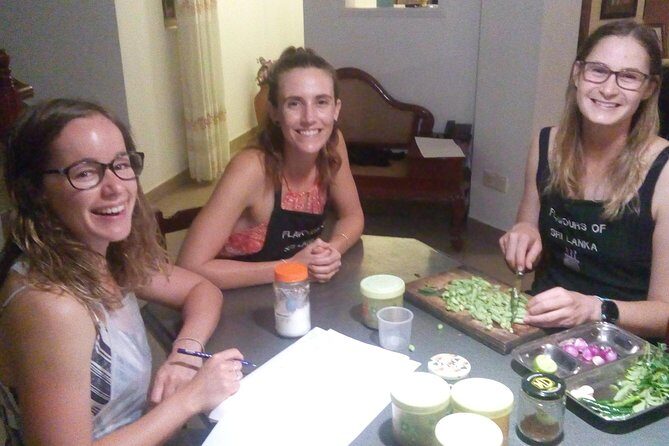
The class is designed around a typical Sri Lankan meal: rice with five curries. You’ll cook according to your dietary preference, and the class offers recipe options for vegan and gluten-free diets (and vegetarian options as well).
That’s a big deal for value and enjoyment. Many “food experiences” treat dietary needs like an afterthought. Here, the meals are cooked to match preferences, so you can eat comfortably at the end without feeling like your plate is a compromise.
As you cook, you’ll be using homemade curry powder and following a format that mirrors how a meal might actually land on a table. The goal is not just flavor. It’s learning structure: how curries pair with rice, how coconut and spice balance, and how different curries can share the same pantry but still taste distinct.
After cooking, you sit down to enjoy the meal. You eat what you made, with Chitra and the group, over conversation. You’ll talk about history, culture, and everyday Sri Lankan life, which turns the meal into a mini cultural lesson rather than a food-only stop.
Small group size: why it changes the whole class
This activity caps at a maximum of 8 travelers, and that matters a lot in a kitchen setting. With a small group, Chitra can keep an eye on what you’re doing and adjust explanations when people need a clearer step. It also keeps the class from feeling like a production line.
For you, the benefit is simple: you’re more likely to get answers to your specific questions. It also makes the vibe more relaxed. Cooking classes can feel awkward when everyone is competing for attention. Here, the pace feels like a shared project.
Timing is also a practical plus. The experience runs about 3 hours, starting at 3:30 pm. That’s a good slot for an afternoon plan in Kandy. It works well if you want a dinner included activity that doesn’t eat your whole day.
One more thing I’d take seriously: no alcoholic beverages are included. So if alcohol is part of your dinner style, you’ll need to plan for it separately.



What’s included for the $25 price in Kandy
The price is $25.00 per person for roughly 3 hours. For that, you get more than a meal.
Included items:
- Dinner (the meal you cook)
- All necessary kitchen equipment
- Unlimited spring water (boiled and filtered)
- Meals according to your dietary preferences (vegan/vegetarian or gluten-free)
When you compare this to typical “see a place and eat a plate” experiences, this stands out because you’re learning technique. You’re also eating a full dinner you prepared through guided steps: garden ingredients, curry powder basics, coconut milk extraction, and clay-pot curries.
That learning-by-doing part is why the value feels solid. You get a skill you can carry forward, plus a meal that’s actually worth sitting down for.
Mobile ticket is included, and the experience ends back at the meeting point. So you’re not left trying to figure out logistics at the end when you’re already tired and full.
The little details that make it feel special
The most praised part of the experience is the combination of warmth and active teaching from Chitra. You’re not just in a class. You’re at her home base, cooking with an instructor who shares tips you won’t easily find from a normal cookbook.
Chitra also ties cooking back to people and place. Between steps and during the meal, you can ask questions about what Sri Lankan cooks do day to day and why certain methods matter. That conversation element is part of the reason people leave with more than recipes.
If you like food that has a clear story, this format works well. The garden start gives context. The spice work gives structure. The meal gives payoff.
And because it’s small-group, the class doesn’t get swallowed by crowd noise. That keeps it easy to ask about curry powder, coconut milk, or how to adapt curries if you cook at home later.
Who should book this cooking class
I’d recommend Flavours of Sri Lanka in these situations:
- You want a hands-on cooking experience, not a viewing-only tour
- You care about learning curry fundamentals, especially curry powder and coconut milk
- You have dietary needs and want them handled with actual recipe options (vegan/vegetarian or gluten-free)
- You’ll enjoy a relaxed group dinner conversation about Sri Lankan culture
It may not fit as well if:
- You dislike kitchens or want minimal prep
- You’re hoping for something that is mostly sightseeing with a short tasting stop
Should you book Flavours of Sri Lanka with Chitra?
Yes, if you want an afternoon in Kandy that ends with a real dinner and a real skill set. The format is practical: garden ingredients, curry powder explained, coconut milk extracted, and curries cooked in clay pots, then you eat it right there.
You should book if $25 feels reasonable for you because the inclusions are strong: equipment, dinner, unlimited boiled and filtered spring water, and dietary support. You’re also getting a small-group class environment that usually leads to better questions and more attention.
If you’re short on time or you hate active cooking work, you might want a lighter food stop instead. But if you like rolling up your sleeves, this one is hard to beat for value and for how memorable the meal feels afterward.
FAQ
What is the start time and duration?
It starts at 3:30 pm and runs for about 3 hours.
Where does the class meet?
The meeting point is Glory Homestay, 46 Meda Bowala Rd, Kandy 20000, Sri Lanka. The activity ends back at the same meeting point.
Is it a small group?
Yes. The class has a maximum of 8 travelers.
Do you get to eat what you cook?
Yes. Dinner is included, and you’ll dine on the meal you prepare with Chitra and the group.
Are vegan and gluten-free options available?
Yes. The class offers recipe options for vegan and gluten-free diets, and meals are prepared according to your preference.
Is alcoholic beverages included?
No. Alcoholic beverages are not included. Spring water is included (boiled and filtered), and you can drink it during the experience.