REVIEW · KANDY
Kandy Cooking Class with Granny
Book on GetYourGuide →Operated by AGS Tours · Bookable on GetYourGuide
Cooking with Granny in Kandy feels like family.
This class is interesting because you’re not watching from a distance, you’re making traditional Sri Lankan food with real spice guidance, start to finish. I like that it happens inside a village home (not a concrete cooking room), and I also like the menu structure: rice, multiple vegetable curries, coconut sambol, papadam, and a sweet you actually get to eat while it’s fresh. One consideration: the lesson includes transport from Kandy to the cooking house, but the return ride can cost extra, so budget for that.
You’ll be picked up in Kandy and then taken about 6.5 km outside the city to a quiet village area, where the pace slows down and the smells start early. Sessions run in the morning, afternoon, or evening, and instruction is in English. If you need plant-forward food, this can be vegan-friendly, with options to add egg, chicken, or fish depending on what you want.
In This Review
- Key things I’d circle before you book
- Why Granny’s Village Kitchen Beats a Restaurant Meal
- Getting to the Home: Pickup, Tuk-Tuk Rides, and a 6.5 km Change of Pace
- Your Menu: Rice, 7 Vegetables, Curries, Sweet, Coconut Sambol, and Papadam
- The Spice Lesson You’ll Actually Use Back Home
- Market Stop With Nandy’s Family: Ingredients, Fruit Tastings, and Local Clues
- Class Timing Options: Morning, Afternoon, or Dinner Hours
- Vegetable Curries and Coconut Milk: What You’re Really Learning
- Vegan and Non-Vegan Options: What You Can Expect to Cook
- What You Take Home: Photos of Recipes and Your Next Curry Night
- Price and Logistics: Is $25 Good Value Here?
- Who This Cooking Class Suits Best
- Should You Book Kandy Cooking Class With Granny?
- FAQ
- What is the duration of the Kandy Cooking Class with Granny?
- What times are the cooking classes offered?
- Is pickup included from Kandy?
- Is vegan food available?
- What dishes are included?
- Does the price include transport?
- Is the instructor English-speaking?
- Is the class private?
- Is it wheelchair accessible?
- What happens after the class?
Key things I’d circle before you book
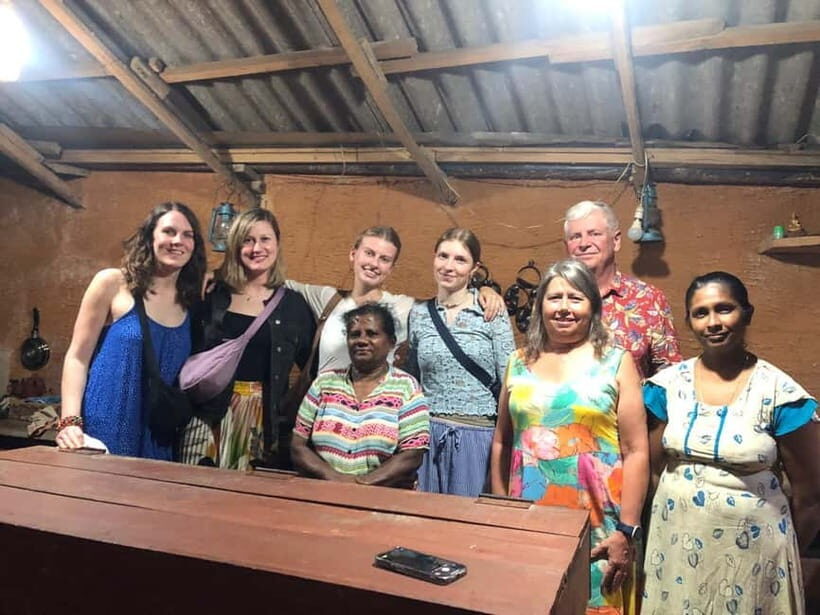
- A village home setting: quiet residential area, not a commercial building
- Hands-on cooking: you cook the dishes, not just sample them
- A structured Sri Lankan menu: rice, 7 vegetables, curry(s), coconut sambol, papadam, dessert
- Market stop may be part of your session: ingredients and fruit tastings with Nandy’s family
- Your chef is Granny Nandy: English instruction with clear steps for spices and coconut milk
- Transport is one-way included: the return journey usually costs extra
Why Granny’s Village Kitchen Beats a Restaurant Meal
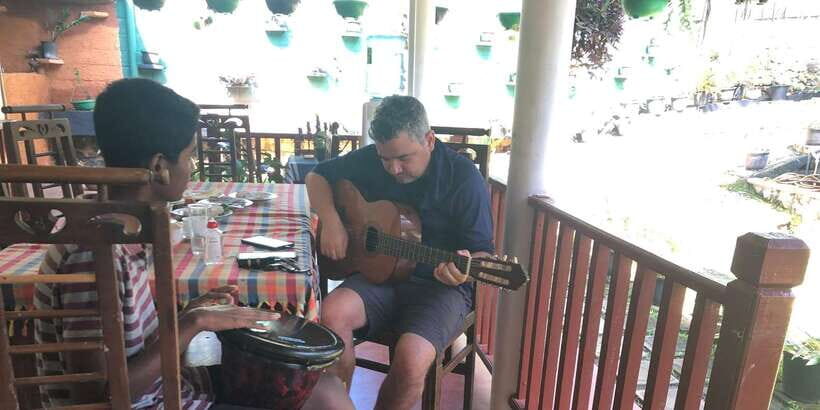
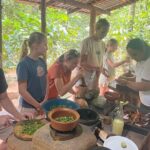
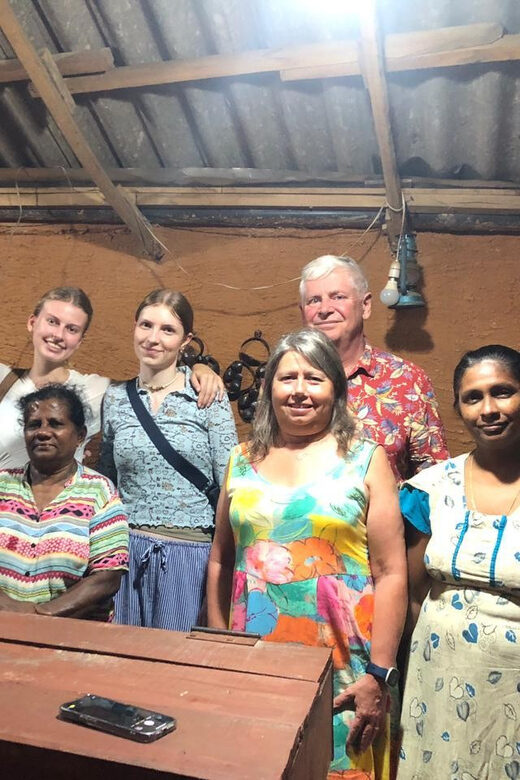
The best part of this experience is the setting. You go past the city edge and into a real residential village area about 6.5 km from Kandy, so the cooking doesn’t feel staged. The kitchen is in a home space, which changes the whole vibe. You’ll likely hear family life sounds in the background, and that makes the lesson feel like you’ve been invited in rather than booked into a performance.
Next: you’re cooking “A to Z.” Traditional Sri Lankan food is already world famous, but doing the work yourself is the trick that turns learning into something you can repeat later. You’re not stuck on chopping duty only. The class is designed so you handle different stages—spices, coconut milk, curry-building, and serving elements like coconut sambol and papadam.
Finally, the food-to-time ratio is strong for $25. You’re not just eating one dish. The structure includes rice, multiple curries, and a traditional sweet, plus snacks. That means you leave full and satisfied, not just buzzed from a “tasting experience.”
More Sri Lankan Cooking Classes in Kandy & Sri Lanka's Hill Country

Getting to the Home: Pickup, Tuk-Tuk Rides, and a 6.5 km Change of Pace
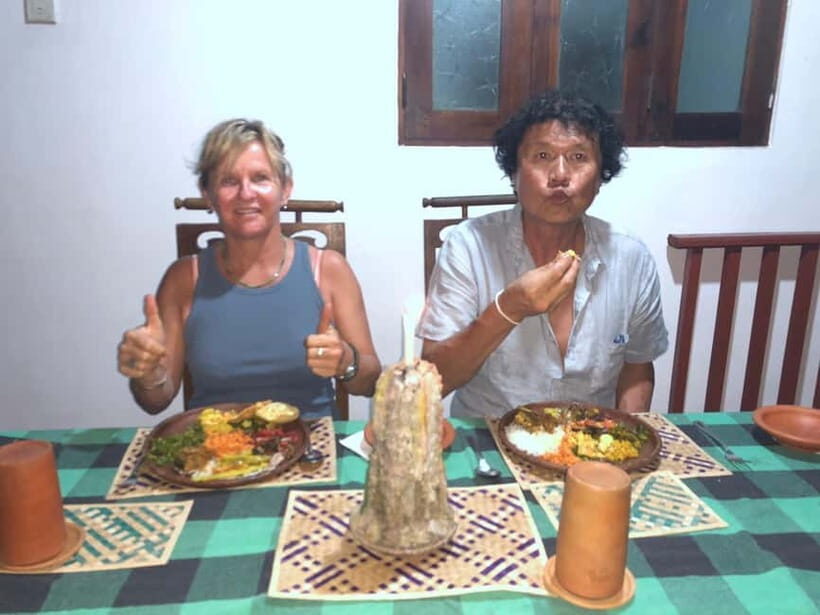
Your pickup is included from your hotel area in Kandy and up to about 3 km around the city. Then you travel out to the village home. In practice, you may ride in a tuk-tuk for part of the journey, which adds a fun, local feel and helps break up the trip from town to the hills.
This matters more than it sounds. Kandy traffic can be slow, and once you’re out in the village area, you get the calm that makes cooking relaxing instead of stressful. Several sessions are described as being outside the city, in quieter surroundings, which is exactly what you want before you spend 3 to 4 hours cooking.
One small planning note: if you’re relying on the return to get you back easily, remember that the class includes transport from Kandy to the cooking place, but the return journey is extra. I’d plan to have local cash or a card ready for that ride.
Your Menu: Rice, 7 Vegetables, Curries, Sweet, Coconut Sambol, and Papadam
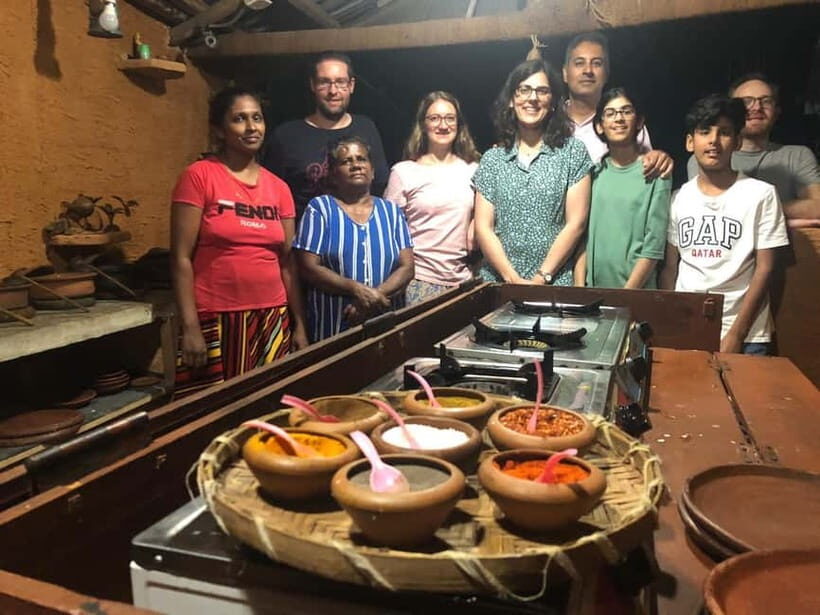
The class menu is built around a Sri Lankan template, which is helpful if you want to recreate the dishes later. You can expect:
- rice
- 7 vegetables (in curry form across the lesson)
- a fish or chicken curry component
- coconut sambol
- papadam
- 1 traditional Sri Lankan sweet (dessert)
In real life, the “7 vegetables” part is what makes the lesson educational. It’s not just learning one curry and calling it done. You’ll see how spice profiles shift across different vegetables, and you’ll practice balancing flavor and texture without guessing from scratch.
Coconut sambol and papadam also matter because they teach the “supporting cast” that makes Sri Lankan meals complete. Coconut sambol brings brightness and richness through coconut and spices, while papadam adds crunch and a different flavor rhythm. You’re learning how these elements work together, not in separate silos.
The curry you choose may vary by session. But the core idea stays: multiple curries in one sitting, with you actively cooking them.
The Spice Lesson You’ll Actually Use Back Home
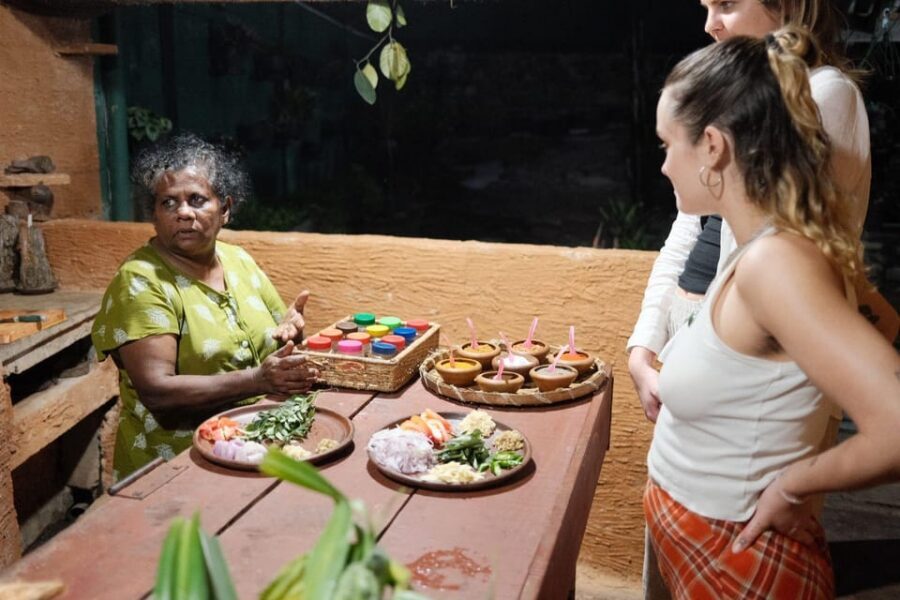
A good cooking class teaches you steps. This one tries to teach you the logic behind the flavors. You’ll get guidance on using all the spices involved in Sri Lankan cooking, and you’ll learn how coconut milk fits into curries.
Spice instruction is where many cooking classes fall short. They explain ingredients, but you still don’t know what to do with them. Here, the focus is on cooking the dish while the chef talks you through it, step by step. That makes it easier to remember what to do when you’re back in your own kitchen with a different stove and different ingredients.
You’ll also likely see small technique details that help curry taste “right,” like when to add aromatics and how to build the curry base before vegetables go in. The result is that you don’t just end up with a meal. You end up with a mental model for how the dishes are put together.
And yes, the class is designed to be fun. The “Granny” teaching style is part of the appeal: warm, practical, and focused on getting you cooking rather than correcting you every five minutes.
Market Stop With Nandy’s Family: Ingredients, Fruit Tastings, and Local Clues

One of the most praised add-ons is the market stop. On many sessions, you start by going to the local market with Nandy’s family, where you buy ingredients together. That step turns the lesson into something more than cooking—because it teaches you what ingredients you’re actually looking for.
You’ll get help with identifying local vegetables and produce, and you may get the chance to try fruit samples like bananas, mango, and passionfruit. It’s an easy way to connect Sri Lankan cooking to real seasonal ingredients, rather than treating recipes like frozen instructions.
What you get from this part depends on your menu that day, but even if you only remember one thing, it helps: how to choose produce that will hold up in curry and how spices pair with those flavors.
Practical tip: if you’re curious, ask about what’s best for curry that week. You’ll get more out of the market stop if you treat it like ingredient training.
Other cooking classes in Kandy

Class Timing Options: Morning, Afternoon, or Dinner Hours
The experience runs on three daily windows:
- Lunch class: 9:00am to 12:30pm
- Midday class: 1:00pm to 4:30pm
- Dinner class: 5:00pm to 8:30pm
Even though the booking says about 3.5 hours, the lesson typically lasts 3 to 4 hours, and the pace can vary based on how quickly you’re comfortable cooking. That’s normal in a hands-on kitchen. If you take your time chopping, tasting, and learning, plan for the longer end.
If you want to keep your day simple, pick the time that fits your hunger and your schedule:
- Morning or midday works if you want a full main meal and still keep an evening plan.
- Dinner works if you want the day to end with home-style cooking and a calm ride back.
Vegetable Curries and Coconut Milk: What You’re Really Learning
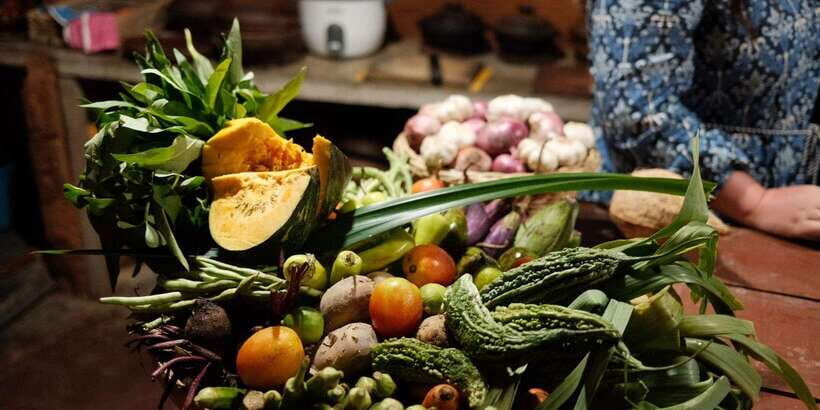
The “7 vegetables” structure is more than variety. It’s a cooking course in how Sri Lankan curry behaves across ingredients. Different vegetables need different cooking times and different texture handling. By the time you finish, you’re more aware of how curry should look and taste when it’s done.
You also learn coconut milk technique. Coconut milk is a key flavor driver in many Sri Lankan curries, but it can go wrong if you treat it like water. With Granny Nandy’s guidance, you’re learning how to bring coconut flavor into the curry without losing balance.
And you’re not stuck cooking only one way. The lesson is set up so you work across multiple dishes, which gives you a broader toolkit for when you cook at home later.
Vegan and Non-Vegan Options: What You Can Expect to Cook
This is one of the clearest parts of the offering. They can do vegan foods. And if you prefer non-vegan, there’s room to include egg, chicken, or fish depending on preference.
The included menu lists a fish or chicken curry, but the class explicitly says vegan foods can be done. So you should feel comfortable messaging your dietary needs when you book.
Here’s how I’d think about it: you’re still learning the same spice and curry-building principles, just with plant-based substitutions where needed. That’s usually the difference between a “special diet” class and a genuinely useful one.
If you have allergies, the data here only confirms vegan handling, not specific cross-contamination practices. If you have a serious allergy, I’d confirm details directly with the operator before you go.
What You Take Home: Photos of Recipes and Your Next Curry Night
After the class, you can be sent photos of the recipes you cooked. That’s a big practical win. Curry recipes look similar on paper until you realize the proportions, order, and texture cues are everything. Having photos makes it easier to recreate the process later.
Also, because you cooked each dish yourself, the photos aren’t the only memory. You’ll remember how certain curries smelled at different stages, and that helps you correct as you cook again.
I like this “recipe memory” approach. It’s more useful than collecting a list of ingredients and hoping you remember the method.
Price and Logistics: Is $25 Good Value Here?
At $25 per person for about 3.5 hours, this is strong value when you look at what’s included. You get instruction in English, a real village-home cooking setting, and a structured meal built from multiple dishes, not just one curry.
You’re also getting:
- rice + 7 vegetables
- coconut sambol + papadam
- dessert
- curry instruction using Sri Lankan spices
- recipe photos afterward
The one cost bump to plan for is transport timing. Transport from Kandy to the cooking place is included, but the return journey is extra. That’s the main place where the “deal” can feel less clean if you weren’t expecting it. If your hotel is far outside the normal Kandy pickup zones, it can also affect how convenient the return is.
Still, even with that extra ride cost, you’re getting a full meal and real cooking practice. For Sri Lanka food lovers, it’s a cost that buys skills and dinner in one.
Who This Cooking Class Suits Best
This is ideal if:
- you want hands-on learning, not just sightseeing
- you like Sri Lankan flavors and want to understand the spice logic
- you enjoy food culture that’s tied to everyday village life
- you want a smaller, private-group feel (the class is private by design)
It’s also a great fit for couples and solo travelers because the format works well even when you’re not part of a big crowd. Some people report small group sizes, which usually means more time for questions and more attention at the stove.
It may not suit you if you need wheelchair access. The class is in a village home environment, and the information says it’s not suitable for wheelchair users.
Should You Book Kandy Cooking Class With Granny?
If you care about learning how food is made, not just eating it once, I’d book this. The village-home setting, the hands-on “cook it yourself” format, and the structured menu are exactly what you want for an authentic Kandy food experience. The market stop option can add extra value if you enjoy ingredient shopping and learning what you’re actually buying.
My advice for the best day:
- Choose the time window that matches when you’re naturally hungry.
- Ask about vegan preferences before you arrive so you know what you’ll cook.
- Budget for the return transport, since it’s not included.
If you want a meal that tastes great and teaches you what to do next time, this class hits the mark.
FAQ
What is the duration of the Kandy Cooking Class with Granny?
The class runs about 3.5 hours, and lessons typically last 3 to 4 hours.
What times are the cooking classes offered?
There are three daily options: 9:00am to 12:30pm, 1:00pm to 4:30pm, and 5:00pm to 8:30pm.
Is pickup included from Kandy?
Yes. Pickup is included from Kandy and around 3 km around Kandy.
Is vegan food available?
Yes. Vegan foods are available. The class also notes that egg, chicken, or fish can be included if you like.
What dishes are included?
The included items are rice, 7 vegetables, fish or chicken curry, coconut sambol, papadam, a traditional Sri Lankan sweet (dessert), and lunch class time includes the meal.
Does the price include transport?
Transport from Kandy to the cooking location is included. The return journey is not included and you pay extra for it.
Is the instructor English-speaking?
Yes. The instructor is listed as English.
Is the class private?
Yes. It is a private group experience.
Is it wheelchair accessible?
No. The experience is not suitable for wheelchair users.
What happens after the class?
You can be sent photos of the recipes you cooked so you can prepare the dishes at home. Cancellation is listed as free up to 24 hours in advance for a full refund.