REVIEW · KANDY
Cooking With Village Family
Book on Viator →Operated by Kandy Cooking Class by AGS · Bookable on Viator
Cooking with a village family beats restaurant meals. In Kandy, this hands-on workshop is interesting because you get to pick your ingredients and cook your lunch or dinner from scratch with guided instruction, plus a relaxed start with welcome tea or coffee. I really like the personalized menu feel, and I also like that you do the work yourself instead of just watching. One thing to consider: it depends on good weather, so you may need to switch dates if conditions are poor.
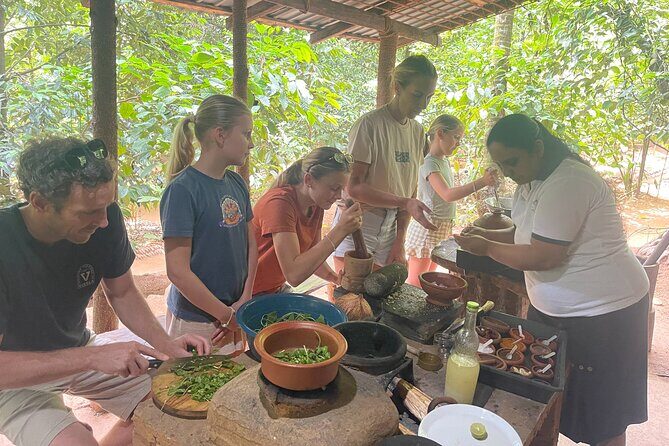
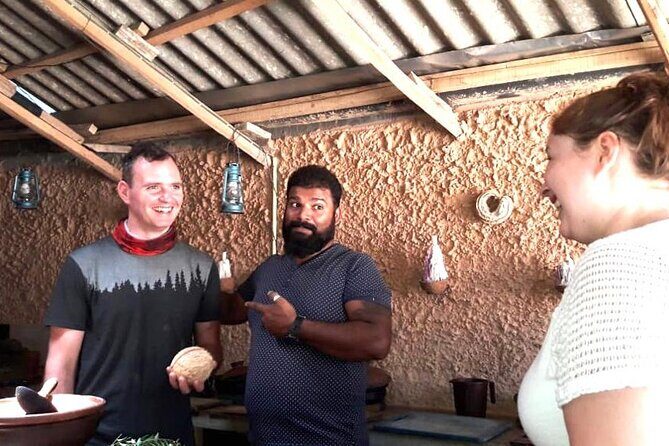
This isn’t a big, scripted group tour. You’re set up for a private workshop experience with your group only, and it includes the meal you cook, not just a demonstration. I also like that the class is hosted by a local family, so the focus stays practical: what to do, how to do it, and what to aim for as things cook.
From what I’ve seen in the way the experience is described, the family’s teaching style centers on real technique, especially for staples like coconut milk and rice. In one account, Matriarch Nandi guided the cooking closely, and Sudesh handled pickup from the Kandy area—those names matter because they signal this is run like a household operation, not a faceless service.
In This Review
- Key things I’d watch for
- Why a Kandy village kitchen is a smarter kind of cooking class
- Tea first, then you pick what you’ll cook in Kandy
- The cooking lesson: from coconut milk to rice and vegetable curry
- How to think about the meal you’ll eat (and cook again)
- Price and value: what $30 covers in real terms
- Timing, pickup, and what makes the logistics easier
- Who should book this cooking workshop in Kandy
- Should you book Cooking With Village Family?
- FAQ
- How long is the cooking workshop?
- Is pickup available in Kandy?
- What does the price include?
- Is this activity private?
- What’s the drink situation?
- What happens if weather is bad or the tour can’t run?
Key things I’d watch for
- You choose the ingredients for the lunch or dinner you’ll cook, so the meal matches your preferences.
- You cook from scratch with guidance, which is the difference between learning and just eating.
- Coconut milk and core staples (rice and daal) are part of the focus, so you take home repeatable skills.
- Welcome tea or coffee sets a low-key pace before you start.
- Pickup is offered from Kandy City Centre, making it easier to fit into your day.
- Good weather matters, so plan for flexibility in your schedule.
Why a Kandy village kitchen is a smarter kind of cooking class
Kandy has plenty of food stops, but this kind of experience targets a different goal: learning how Sri Lankan dishes actually come together. The setting shifts you away from the bustle and into a village-style home kitchen where cooking is normal life, not a performance.
What I like about that is the payoff. When instruction comes from a family who cooks regularly, the teaching tends to stay grounded in cause and effect. You don’t just get a recipe card. You get explanations for the parts that usually confuse people back home—like how coconut milk behaves in cooking, or how rice and daal fit into a full meal rather than acting as side dishes.
And because this is a private activity, the pace tends to be practical. You’re not racing to keep a big schedule moving. That makes it easier to ask questions mid-step, especially if you want to understand timing, spice balance, or how to tell when something is ready.
More Sri Lankan Cooking Classes in Kandy & Sri Lanka's Hill Country

Tea first, then you pick what you’ll cook in Kandy
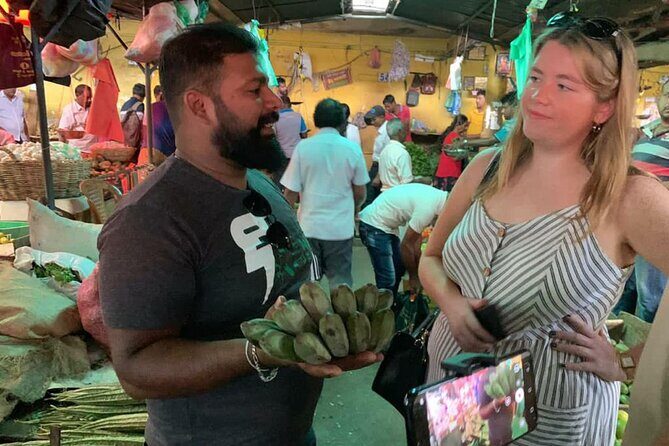
The day starts simply: you’re greeted with a cup of tea or coffee. It’s a small thing, but it helps you settle in before you start handling ingredients and moving around a kitchen space.
Then comes the most important planning moment: you select the ingredients you want to use for your lunch or dinner. That means you’re not stuck with a one-size-fits-all menu. If you’re someone who likes choosing your own spice level, textures, or vegetable variety, this approach fits you better than classes where the menu is fixed.
You’ll then move into the cooking sequence with guidance. The instruction style is hands-on. The chef explains how to cook and also how to prepare things like coconut milk and the dishes you’ll make. After that, the expectation is clear: you do the cooking, with help when you need it.
The cooking lesson: from coconut milk to rice and vegetable curry
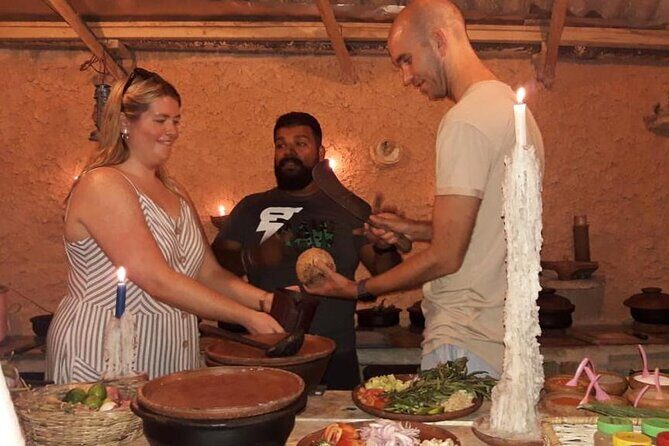
This workshop is built around getting you comfortable with the building blocks of a Sri Lankan meal. Based on detailed mentions from the teaching style, coconut milk preparation gets real attention, and so do staples like rice and daal. If you’ve ever tried to recreate Sri Lankan flavors at home and found your results flat or inconsistent, those are exactly the areas to focus on.
Here’s what the learning process feels like in practice:
First, you watch and listen while the chef explains the approach. That includes how to get coconut milk and what to look for as it’s cooking. Then you take over. You’re not just standing by. You’re doing everything yourself, and the family guides you through each step.
One name that stands out in the story of how the lesson runs is Matriarch Nandi. She’s described as kind and very attentive while showing how to make coconut milk, rice, daal, and several kinds of vegetable curry. That matters because it suggests instruction is detailed and patient—especially around common stumbling points.
Sudesh is also mentioned in connection with pickup. While pickup isn’t part of the cooking technique, it’s part of making the experience feel smooth. You arrive, someone takes care of the practical start, and then you can focus on what you’re learning.
How to think about the meal you’ll eat (and cook again)
You’ll end up eating the lunch or dinner you cook. That’s not just a nice perk—it’s the final check for whether the steps actually work.
The value is in the transfer. When you cook a dish from scratch in the right order, you understand what matters. For example:
- If coconut milk is prepared a certain way, the flavor and texture stay consistent.
- If rice and daal are handled with the right method, they support the rest of the meal instead of tasting separate.
- If vegetable curries are cooked with attention, they come out hearty and balanced rather than watery.
Because you pick the ingredients, the dishes have a personalized element too. You’ll be more likely to remember what you chose and why, which makes it easier to recreate the meal later.
Also, you’ll likely walk away with the confidence that comes from doing the steps yourself. Many classes teach the idea. This one leans toward the action. That’s where the memory sticks.
Price and value: what $30 covers in real terms
$30 per person is a fair price for a 3.5-hour private cooking workshop in Kandy, especially because the core items are included. You’re not paying only for a lesson. You’re paying for:
- the meal (listed as lunch and dinner among the included items),
- coffee and/or tea,
- bottled water,
- and the hands-on instruction that helps you cook from scratch.
The best way to judge value here is to count what you’d normally spend on those pieces separately. In many places, you can buy street food or a casual meal cheap—but learning structured techniques with a family, plus your own guided prep, costs more.
So the question is: does this replace a restaurant meal and give you something you can do again? From the way the experience is described, it’s exactly that. You leave fed, and you leave with repeatable skills like coconut milk handling plus rice and daal basics.
One small note: alcohol is not included. If you’re hoping for beer or cocktails alongside the meal, you’ll need to plan for that outside this experience.
Other cooking classes in Kandy

Timing, pickup, and what makes the logistics easier
The workshop runs about 3 hours 30 minutes. For most people, that’s a sweet spot: long enough to cook properly and eat comfortably, short enough not to hijack your whole day.
Your meeting point is Kandy City Centre, and the activity ends back at the meeting point. Pickup is offered, which is helpful because it lowers the friction of getting to a village setting without wrestling with transport on your own.
There are a couple of practical constraints to keep in mind:
- The experience requires good weather. If it gets canceled due to poor weather, you’ll be offered another date or a full refund.
- There’s a minimum number of travelers required. If the minimum isn’t met, you may be moved to a different date/experience or refunded.
None of this sounds unusual for outdoor-friendly or home-based setups, but it’s worth factoring into your Kandy plan so you’re not disappointed if you have to adjust.
Who should book this cooking workshop in Kandy
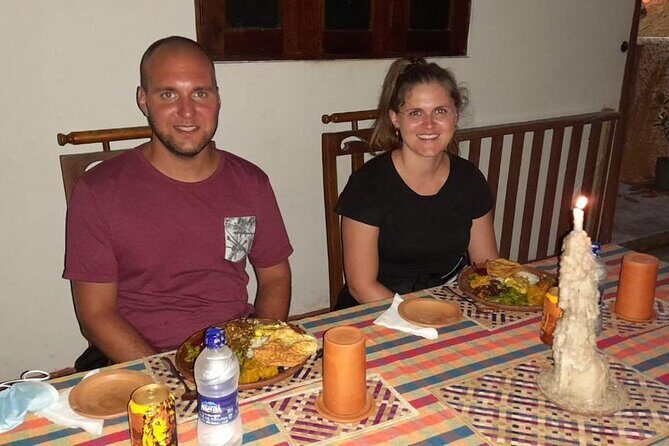
This is a good fit if you want more than a meal. It works well for:
- couples or friends who want a shared activity in a real home setting,
- solo travelers who like learning through conversation and instruction,
- food lovers who want to bring back techniques, not just flavors.
Because the class is designed so most travelers can participate, you don’t need to be an expert cook. The promise is that the chef explains what to do, and then you cook with guidance. That setup is perfect when you’re comfortable trying, but you want someone there to correct small mistakes before they snowball.
It’s also a strong choice if you’re aiming to understand Sri Lankan staples like coconut milk, rice, and daal. Those are practical building blocks, and they show up in lots of local meals.
If you dislike hands-on tasks or you want only a quick tasting with zero cooking involvement, you might find it less aligned with your style. But if you enjoy participating, this is exactly the kind of activity that feels worthwhile.
Should you book Cooking With Village Family?
I’d recommend booking this if you want a Kandy experience that’s personal, practical, and skill-based. The mix of ingredient choice, hands-on cooking, and focused guidance on core items like coconut milk, rice, and daal makes it a strong value play at $30.
Book it if:
- you want to learn a meal you can recreate,
- you like cooking over watching,
- you’re happy to spend a half-day off the main city rhythm.
Think twice if:
- your schedule is tight and you can’t handle possible weather-related date changes,
- you’re only interested in a casual snack and don’t want to cook.
Overall, this feels like a family-run workshop where you’re treated as part of the process. And when the teacher is Matriarch Nandi, plus the pickup is handled smoothly (hello Sudesh), it’s the kind of experience that leaves you with both food and skills, not just photos.
FAQ
How long is the cooking workshop?
The experience lasts about 3 hours 30 minutes.
Is pickup available in Kandy?
Pickup is offered. The meeting point is Kandy City Centre, Kandy, Sri Lanka, and the tour ends back at the meeting point.
What does the price include?
The price includes lunch, dinner, coffee and/or tea, and bottled water.
Is this activity private?
Yes. It is a private tour/activity, and only your group participates.
What’s the drink situation?
You get coffee and/or tea, and bottled water is included. Alcoholic beverages are not included.
What happens if weather is bad or the tour can’t run?
The experience requires good weather, and if it’s canceled due to poor weather you’ll be offered a different date or a full refund. It also requires a minimum number of travelers; if that minimum isn’t met, you’ll be offered a different date/experience or a full refund.