REVIEW · KANDY
Kandy: Authentic Food Walk with a Local
Book on GetYourGuide →Operated by Eats Kandy · Bookable on GetYourGuide
Kandy’s best meals come on foot. This Kandy food walk is a guided, taste-first evening where you work through 5 local stops and connect the dishes to the island’s spice trade and Portuguese, Dutch, and British influences. I especially love the way you get real street-food hits like kottu and hoppers, and I like the guide’s gift for making Sri Lankan food feel personal, not like a textbook. One thing to consider: it’s a walking tour, so if you hate steady strolling, plan accordingly.
You’ll meet at Burger King on Level 4 of the Kandy City Centre (KCC) Mall, then spend about 3.5 hours sampling and learning while staying mostly in the city core. The group is private, the guide speaks English, and vegetarian options are available at every stop. If you’re tight on mobility, note it’s not suitable for wheelchair users.
In This Review
- Key things you’ll notice on this Kandy Food Walk
- Why a Kandy Food Tour Beats Eating Randomly on Your Own
- The Route Starts at Burger King, Then Gets Seriously Local
- What You’ll Taste: Kottu, Hoppers, Dosas, Sambols, Tea, and Desserts
- Kottu: The Street-Food Crowd Pleaser
- Hoppers: Crispy Edges, Soft Center
- Dosas: The Comfort Food That Shows Crossroads Influence
- Spicy Sambols: The Flavor Engineers
- Ceylon Tea: A Different Kind of Comfort
- Traditional Desserts: Sweet That Isn’t an Afterthought
- How the Guide Turns Food into a Story About Sri Lanka
- Vegetarian-Friendly Without Feeling Like a Compromise
- How Long It Takes and How Much You Walk (So You Can Plan Your Evening)
- Price and Value: Is $26 Worth It?
- Who This Kandy Food Walk Is Best For
- Quick Practical Tips Before You Go
- Should You Book This Kandy Food Tour?
- FAQ
- FAQ
- How long is the Kandy food walk?
- How many food stops are included?
- What food will I try on the tour?
- Is there a vegetarian option?
- Where do I meet the guide?
- Is the tour a lot of walking?
- Is the tour suitable for wheelchair users?
- What language is the guide?
- Is this a private tour?
- What’s the cancellation and payment setup?
Key things you’ll notice on this Kandy Food Walk
- Keith’s hosting style: engaging, story-driven, and happy to point you to more food spots after the tour
- 5 food stops, not a snack parade: you’ll actually eat, not just nibble
- Spice-trade and colonial food links: you’ll hear how history shows up in flavors
- Classic Sri Lankan must-tries: kottu, hoppers, dosas, sambols, Ceylon tea, and traditional desserts
- Vegetarian-friendly by design: options at every stop so you won’t miss the fun
- Real walking pace: a few hundred meters between stops, with total walking under 3 km
Why a Kandy Food Tour Beats Eating Randomly on Your Own
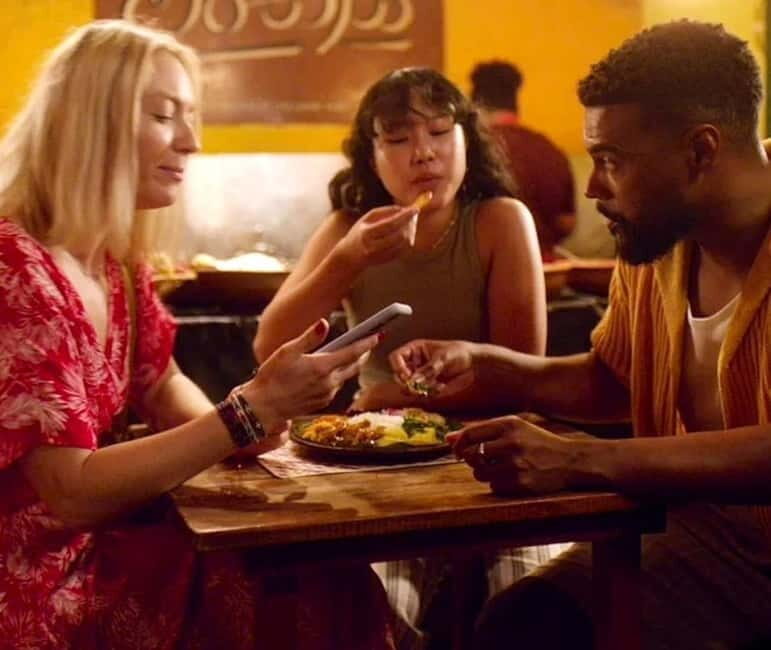
In Kandy, it’s easy to fall into a trap: you pick a place that looks busy, you order something familiar, and you still leave wondering what you missed. A guided food walk changes that. You’re not hunting for clues. You’re following a local route and tasting the range of Sri Lankan food in a way that makes sense.
This one works because it’s built around specific foods you can recognize (kottu, hoppers, dosas, sambols, tea, desserts) and because the guide ties those foods to what shaped Sri Lanka’s palate: the ancient spice trade and the Portuguese, Dutch, and British colonial influences. Translation: you learn why dishes taste the way they do, not just what they are.
It also stays practical. You’ll walk between stops in the Kandy City Centre area. Total distance stays under 3 km over 3.5 hours, so it’s not a full-day hike disguised as food.
More Sri Lankan Cooking Classes in Kandy & Sri Lanka's Hill Country

The Route Starts at Burger King, Then Gets Seriously Local
Your meeting point is easy to spot: Burger King, Level 4, Kandy City Centre (KCC) Mall. That’s a smart choice if you’re arriving by tuk-tuk, taxi, or just figuring out where you are in town. You don’t need to decode a street address or hunt for a tiny storefront.
From there, the tour becomes a smooth loop of eating and chatting. The pacing is straightforward: a few hundred meters between stops. I’d treat it like an evening out where you’re walking lightly while you eat a proper meal’s worth across multiple places.
Also keep in mind the group is a private group. That usually means you can ask questions without feeling like you’re shouting over strangers, and the guide can adjust the flow if you’re vegetarian, curious, or just hungry.
What You’ll Taste: Kottu, Hoppers, Dosas, Sambols, Tea, and Desserts
The heart of the experience is simple: 5 food stops where you sample a mix of Sri Lankan favorites. The exact choices can shift depending on the tour option, but you should plan on tasting the classics listed below.
Kottu: The Street-Food Crowd Pleaser
Kottu is that sizzling, chopped-rhythm dish you smell before you see. It’s often made with shredded flatbread and cooked with vegetables, egg, or meat, then stirred hard with spices until it turns into something louder than it looks. If you’ve never had it, think savory comfort with a kick of spice and a toasty, griddled texture.
On a tour like this, the value is not just tasting kottu—it’s learning what makes it work: the heat, the seasoning balance, and why Sri Lankan street food leans so hard into bold flavors.
Hoppers: Crispy Edges, Soft Center
Hoppers are rice-flour bowl-shaped pancakes, often with an egg crackled on top. They’re one of those foods that feel both simple and oddly perfect. The outside gets crisp. The inside stays tender, almost custardy.
I love hoppers on food tours because they’re a flavor snapshot of Sri Lanka. You can taste coconut richness, fermented notes, and spice choices all at once. And since you’re moving from stop to stop, hoppers also give you a breather between louder dishes.



Dosas: The Comfort Food That Shows Crossroads Influence
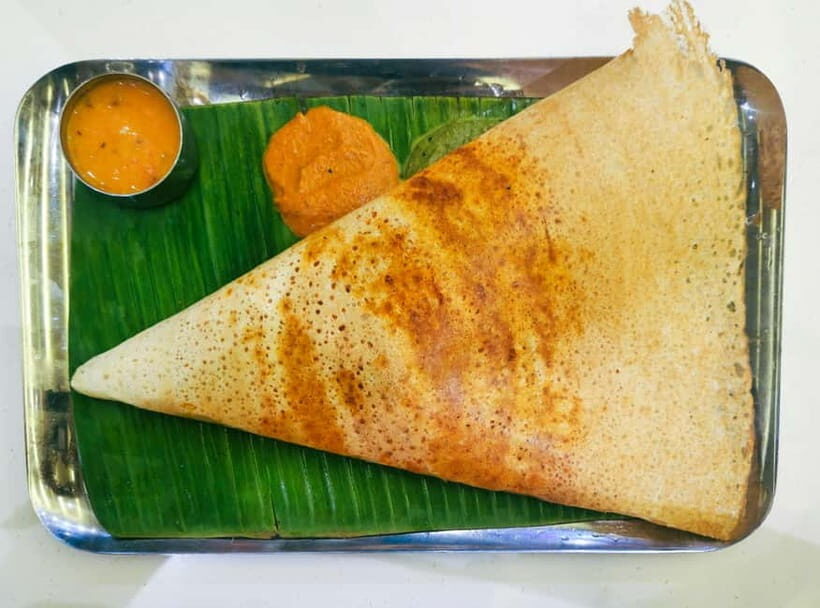
Dosas are a familiar cousin if you’ve traveled in South Asia, but in Sri Lanka they fit local tastes and spice styles. Expect thin, crisp crepes with fillings or sides, usually served with chutneys that can range from mild to sharply spicy.
On this tour, dosas matter because they represent how Sri Lankan cuisine stays connected across the region. It’s not about copying one style—it’s about how flavors meet, adapt, and become local.
Spicy Sambols: The Flavor Engineers
Sambols are the point where Sri Lankan food goes from good to memorable. These are spicy, punchy condiments—usually with coconut plus chili, lime, and other aromatics—meant to brighten whatever you’re eating.
If you’re cautious with heat, this is where you can learn how Sri Lankan spice works. It’s not only about being hot. It’s about layering sour, salty, spicy, and fragrant notes so your whole meal tastes alive.
Ceylon Tea: A Different Kind of Comfort
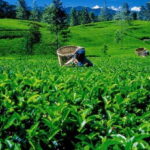
Tea tasting is easy to treat as a side note. Here it’s part of the story. Ceylon tea isn’t just a drink. It’s a symbol of Sri Lanka’s agricultural identity and part of why the island became so well known far beyond its borders.
You’ll get the chance to slow down for a cup and reset your palate. It also gives you contrast after spicy sambols and hot street dishes.
Traditional Desserts: Sweet That Isn’t an Afterthought
Dessert in Sri Lanka often brings coconut, treacle-like sweetness, or fruit flavors, and it’s usually less about frosting and more about spices and texture. Since this tour includes traditional desserts, it’s a nice end to the meal arc.
Just come hungry. You’ll want room for the sweet stuff, especially because you’re eating through multiple savory stops first.
How the Guide Turns Food into a Story About Sri Lanka
This is where the tour earns its reputation. The guide does more than list dishes. He connects them to the island’s culinary heritage: the spice trade, Sri Lanka’s role along the Maritime Silk Road, and how Portuguese, Dutch, and British rule shifted food habits and ingredients.
Why it matters for you: it helps you taste with context. When you understand that Sri Lanka was in the middle of global spice movement, the boldness in seasoning stops feeling random. It starts feeling logical.
And if you’re a question-asker, you’ll likely get a lot of modern context too. The guide’s tone is engaging, and the tour can feel like dinner with a friend rather than a classroom walkthrough.
Vegetarian-Friendly Without Feeling Like a Compromise
One of the easiest reasons to recommend this tour: vegetarian options are available at every stop. That’s not an afterthought. It means you can order and taste through the whole evening without feeling like you’re waiting for your turn.
For vegetarians, Sri Lankan food can be surprisingly satisfying. Coconut-based sauces, vegetable fillings, spiced sambols, and savory tea-time bites all help fill out the meal. And on a guided tour, you don’t have to gamble on what’s actually vegetarian at each place.
If you eat vegetarian, I’d still ask the guide about spice level early. Sambols can be intense, even when the base is vegetarian.
How Long It Takes and How Much You Walk (So You Can Plan Your Evening)
Duration is 3.5 hours. Over that time, the walking distance won’t exceed 3 km. You’ll move a few hundred meters between stops.
For timing, that usually means you’re done while you still have energy for one more activity in Kandy, like a simple stroll or a relaxed dinner after. It also helps that the meeting point is in KCC Mall, which makes pre- and post-tour coordination easier.
One more practical note: it’s not suitable for wheelchair users. If you need step-free access, plan another option and check your needs with the operator.
Price and Value: Is $26 Worth It?
At $26 per person for 3.5 hours and 5 food stops, the value depends on what you’d otherwise do. If you’d pay separate prices for street snacks plus one sit-down meal, you can easily spend similar money—and still miss the bigger picture.
What you’re getting here is not just food. You’re getting:
- guided ordering and tasting across multiple signature dishes
- vegetarian coverage at each stop
- cultural context tied directly to what you’re eating
- an English-speaking live guide
- a private group format
If you love food, this is usually a smart spend because it compresses a lot of eating into one night, with a guide who seems to choose spots for flavor rather than convenience. In the notes I saw from past guests, the guide’s care and knowledge were a big part of the payoff, including helping people pick what to eat for the rest of their stay.
Who This Kandy Food Walk Is Best For
I’d point you here if:
- you want an easy first night in Kandy where you eat your way through the city
- you’re curious about why Sri Lankan food tastes the way it does
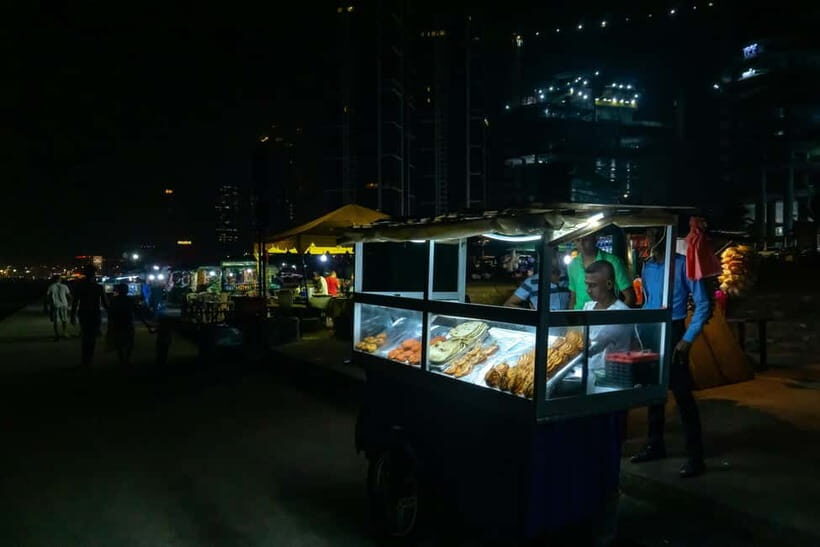
- you like street-food energy but want guidance so you don’t waste time guessing
- you need vegetarian options without losing variety
- you enjoy asking questions and chatting while you eat
It might not be ideal if you:
- hate walking or need a fully seated experience
- want a food tour that’s mostly hands-on cooking (this is tasting with guided explanations)
- need wheelchair-friendly routes (this one isn’t suitable)
Quick Practical Tips Before You Go
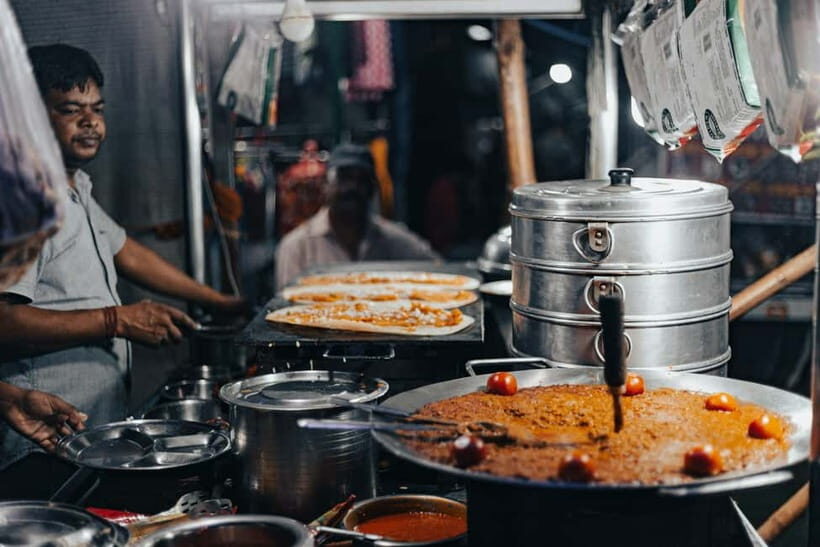
Come hungry. You really will be eating across the stops. Also, wear comfy shoes. Even though it’s under 3 km total, you’ll still be walking between places for a steady few hours.
If you’re sensitive to spice, tell the guide early. Sambols can be fiery, but you can often steer the heat level with guidance. And if you’re the type who wants to keep eating after the tour, you’ll likely get suggestions from the guide for what to try next.
Should You Book This Kandy Food Tour?
If you’re spending any time in central Kandy and you want a confident, flavorful way to understand Sri Lankan cuisine, I’d book it. The mix of 5 tasting stops, vegetarian options at every stop, and a guide who connects dishes to spice trade and colonial-era influences makes it feel like more than a meal—it’s a map of what to taste next.
Skip it only if walking is a deal-breaker for you. Otherwise, this is a solid first-step experience: you’ll leave full, with a better sense of Kandy food, and with ideas that last beyond the last dessert bite.
FAQ
FAQ
How long is the Kandy food walk?
It lasts about 3.5 hours.
How many food stops are included?
You’ll have 5 food stops and tastings during the tour.
What food will I try on the tour?
You can expect local favorites such as kottu, hoppers, dosas, spicy sambols, Ceylon tea, and traditional desserts. The exact meals and drinks can vary based on the selected tour option.
Is there a vegetarian option?
Yes. Vegetarian options are available at every stop.
Where do I meet the guide?
Meet at Burger King on Level 4 of the Kandy City Centre (KCC) Mall.
Is the tour a lot of walking?
It is a walking tour. You’ll cover a few hundred meters between stops, and the total walking distance will not exceed 3 km over the 3.5 hours.
Is the tour suitable for wheelchair users?
No, it’s not suitable for wheelchair users.
What language is the guide?
The live tour guide is English.
Is this a private tour?
Yes, it’s listed as a private group.
What’s the cancellation and payment setup?
You can cancel up to 24 hours in advance for a full refund. You can also reserve now and pay later.