REVIEW · KANDY
Kandy: Village Cooking Class 12 Dishes with Market Tour
Book on GetYourGuide →Operated by TRAVRI.com · Bookable on GetYourGuide
Spices smell like a map to Sri Lanka. I love that you get a market tour first to choose vegetables, and I love the hands-on teaching style led by a local family.
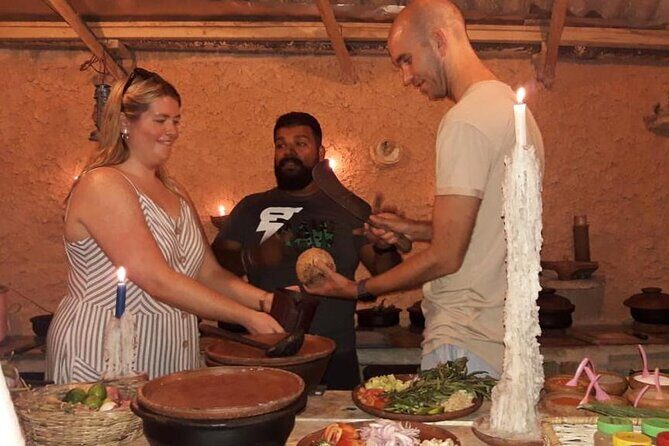
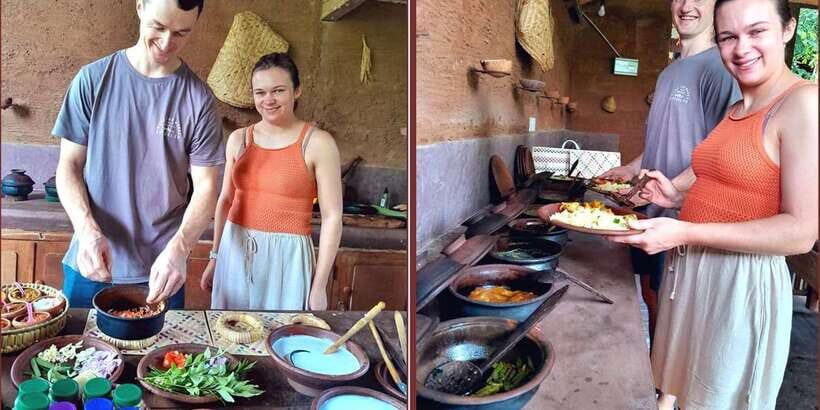
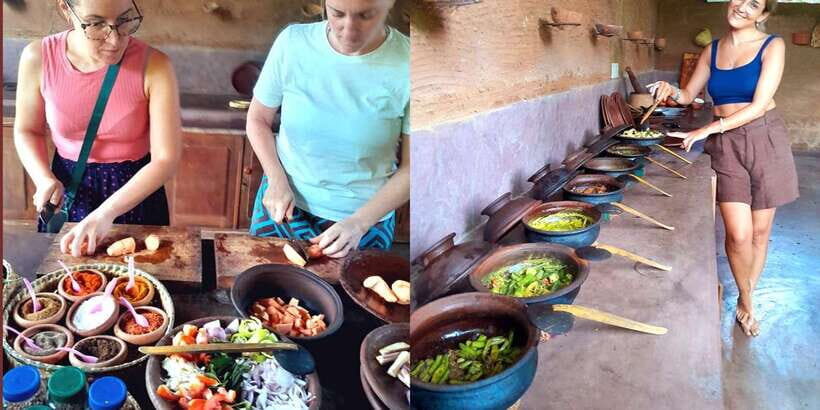
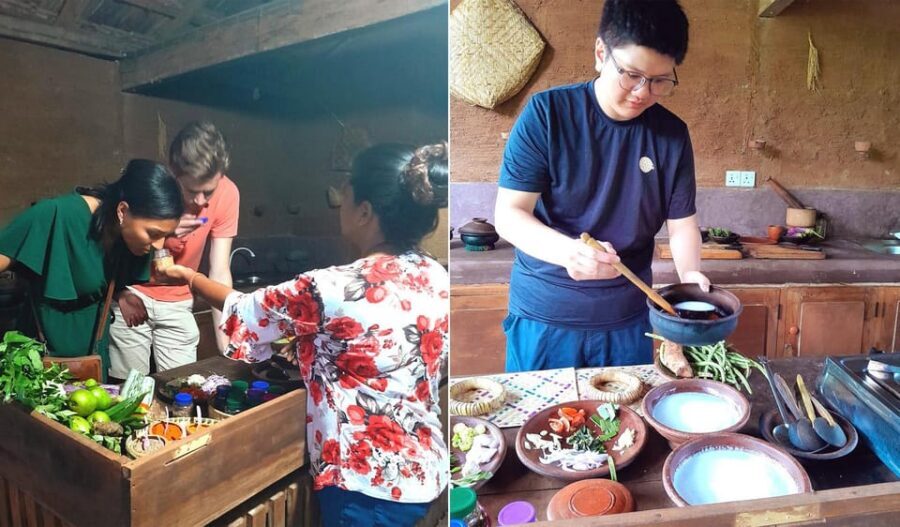
In practice, this is not a sit-and-watch demo. It’s cooking in a village house setting (with an outside kitchen feel) where you can ask questions and actually get your hands working. You’ll also end up eating lunch or dinner made by you, not just sampling a small plate.
One consideration: there’s no hotel pickup or drop-off, so you’ll want to plan how you’ll reach the Pilawala meeting point near Kandy.
In This Review
- Key things I’d circle on the calendar
- Kandy Village Kitchen: a cooking class that feels like a real home afternoon
- Meeting at Pilawala: what to do before you head out
- The market tour in Kandy: choosing vegetables the practical way
- Cooking 12 Sri Lankan dishes: how the hands-on format actually helps
- Spices, rice, coconut, and the flavors behind Sri Lanka’s mix
- Lunch or dinner: eating what you made (the part most people remember)
- Price and value: what $48 buys you in real terms
- Who this Sri Lanka cooking class fits best
- Quick tips to get more from your 3 hours
- Should you book it?
- FAQ
- How long is the Kandy Village Cooking Class with the market tour?
- Where does the class meet?
- Does the price include lunch or dinner?
- What’s included in the experience besides cooking?
- Is the class taught in English?
- Are vegetarian options available?
- Is hotel pickup and drop-off provided?
- Is this experience wheelchair accessible?
- What’s the group setup?
- What’s the cancellation policy?
Key things I’d circle on the calendar
- You choose your own vegetables at a local market, so the cooking starts with real decisions.
- 12 dishes in one session means you’re tasting and learning more than a single signature recipe.
- A village-family home setup keeps the class warm, personal, and relaxed.
- English instruction helps you follow the why behind the techniques, not just the steps.
- Lunch or dinner is included, so your work turns into a full meal.
- The food includes coconut, rice, and spice work, the Sri Lankan flavor basics you can reuse later.
Kandy Village Kitchen: a cooking class that feels like a real home afternoon
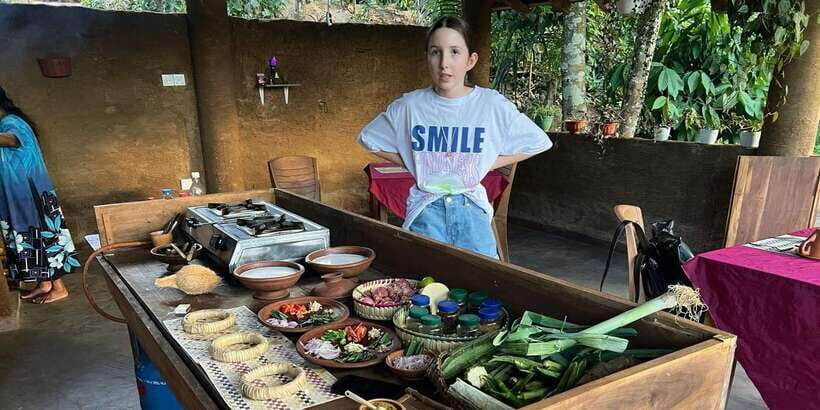
Kandy cooking classes can range from very touristy to genuinely local. This one leans hard toward home life. You’re hosted by a welcoming village housewife and her family, and that matters more than people expect. When the instructor is part of the household rhythm, the pace feels human, and the questions feel normal.
I also like the “big meal” format. You’re not learning one curry and calling it a day. The class is built around a 12-dish menu, so you’re exposed to the breadth of Sri Lankan cooking: rice as a base, coconut as a common backbone, and an array of spices that show up in different ways across dishes. It’s a faster path to understanding how flavors fit together.
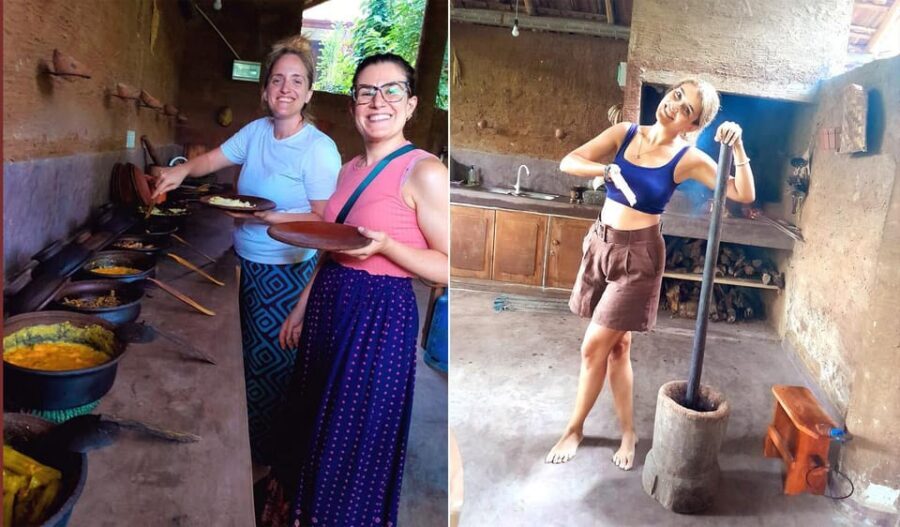
And yes, there’s something extra about the setting. The experience has an outside kitchen feel near Kandy, with an almost jungle-adjacent vibe. The air, the sounds, the casual way people move around a kitchen space makes the whole thing feel less like a workshop and more like spending time with a family who cooks every day.
More Sri Lankan Cooking Classes in Kandy & Sri Lanka's Hill Country

Meeting at Pilawala: what to do before you head out
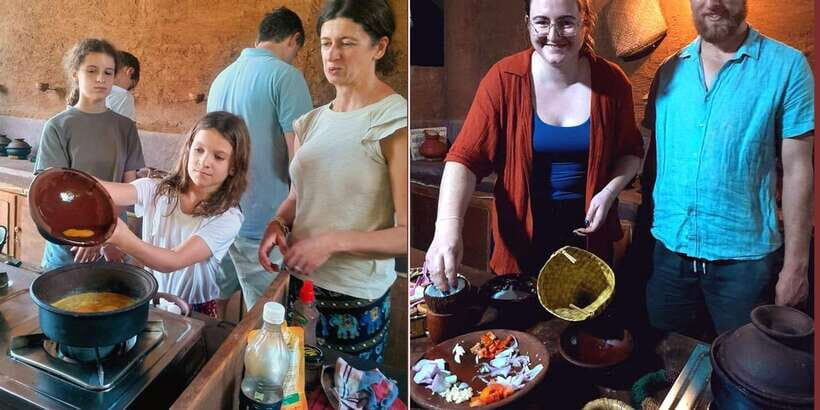
The meeting point is Kandy Village Cooking Class, no.38, Pilawala, Kandy, Pilawala 20196, Sri Lanka. There’s no hotel pickup or drop-off, so you’ll want to make sure you know your route and timing. Plan to arrive a few minutes early. In village areas, “close enough” can still mean a slow walk.
Wear comfortable clothes and shoes for both cooking and walking. You’ll be moving between spaces, and cooking in a home kitchen usually comes with some unavoidable mess. If you’re thinking about nice outfits, pick “nice but washable.” This is also the kind of activity where wearing sleeves you’re not afraid to roll up makes your life easier.
If you’re bringing kids, they must be accompanied by an adult. The class runs in English, which is a help for travelers who don’t want to rely on gestures for every step.
The market tour in Kandy: choosing vegetables the practical way
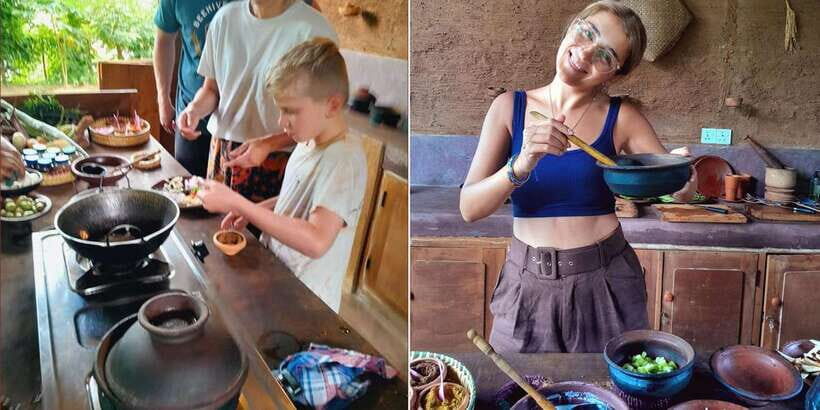
A big part of the value here is that the cooking starts before the stove. You’ll take part in a local market tour, and you’re able to choose your own vegetables. That does two smart things for you.
First, it keeps the ingredients fresh and seasonal. The class is designed to use what’s available, so your dishes are grounded in what the area is producing right now, not what a supermarket shelf happens to carry.
Second, it makes the learning stick. When you pick a vegetable yourself, you understand it in context: how it looks, how it’s used, and why it’s paired with certain flavors. Later, when you see similar vegetables elsewhere, you’ll remember what to do with them.
You don’t need to be an expert shopper. Just come curious and ask what will go into each dish. Even if you only catch part of the explanation in English, you’ll usually be able to connect the dots because the class keeps circling back to ingredients and technique.
Cooking 12 Sri Lankan dishes: how the hands-on format actually helps
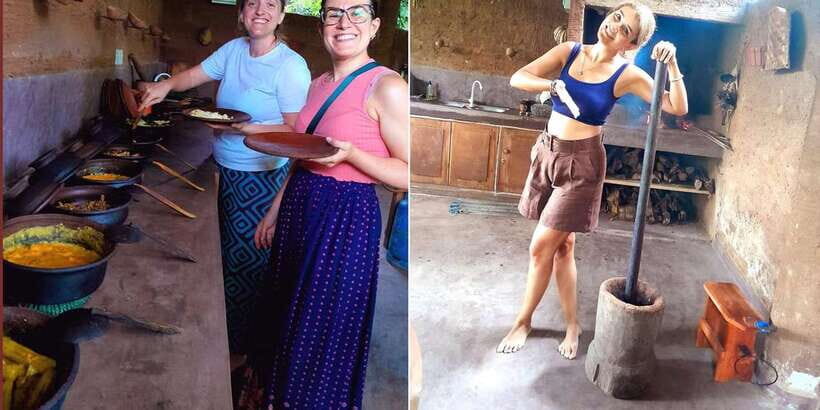
The headline is clear: you’ll learn to prepare traditional Sri Lankan dishes with a hands-on cooking experience. What’s less obvious until you do it is how the format teaches you. Instead of getting stuck with one recipe, you rotate through multiple dishes, which forces you to learn the repeated patterns.
Across Sri Lankan cooking, you’ll see a lot of the same building blocks:
- Rice as a staple base
- Coconut showing up in different textures and flavors
- An array of spices that get treated differently depending on the dish
That rotation is key. When you make one dish, you think, I’ll remember this. When you make several, you start to see how spices shift from one role to another—sometimes adding heat, sometimes adding warmth and aroma, sometimes acting as the backbone of the sauce.
The class is led by the local family, and the teaching style is described as patient. That’s not a small detail. In cooking classes, patience determines whether you improve or just get stressed. Here, you’re set up to learn properly: you can ask questions, you can slow down, and you’re not pushed through steps without understanding.
You’ll also be cooking with all ingredients provided. That’s part of the value too. You’re not hunting for hard-to-find spices or calculating quantities on your own while you’re still learning the method.
Spices, rice, coconut, and the flavors behind Sri Lanka’s mix
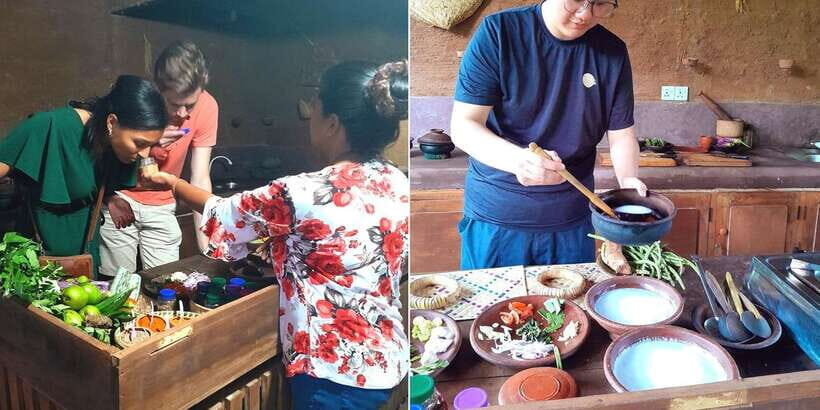
Sri Lanka’s cuisine reflects influences from multiple regions and eras. In this class, you learn that the recipes show a fusion of flavors from India, Indonesia, and Dutch culinary traditions. You don’t get a textbook lesson; you get a flavor experience—then the explanation makes sense.
Here’s how that shows up practically:
- Indian influence often appears through spice blends and how aromatics are handled.
- Indonesian influence can show up in how coconut is used and how certain savory flavors balance.
- Dutch influence is often associated with ingredients and technique traditions that linger in home cooking.
You’ll notice this especially when you compare how dishes taste across the day. Some dishes feel fragrant and spice-forward. Others feel creamy or cooling because coconut is doing more than just adding richness. The rice ties it all together, acting as the neutral base that lets you taste each sauce and side more clearly.
One more practical win: once you understand those staples—rice, coconut, and spices—you can translate what you learn. Even if you can’t find the exact ingredient in another country, the roles are still the same.
Other shopping tours in Kandy
Lunch or dinner: eating what you made (the part most people remember)
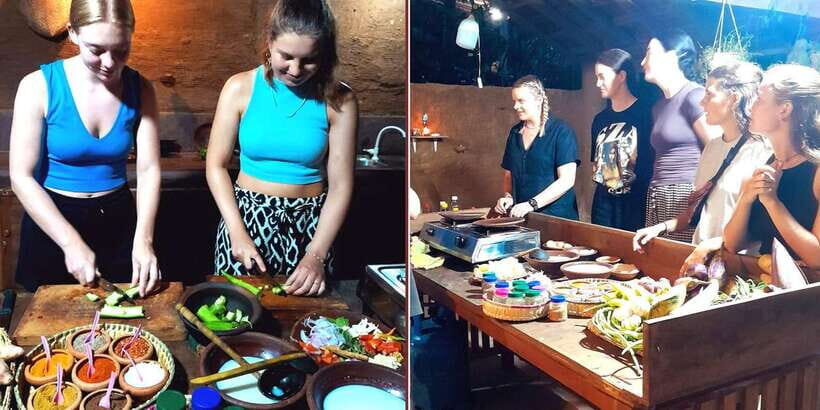
This experience includes lunch or dinner with the dishes you prepare. That’s worth emphasizing because it changes how you approach the class. When your work becomes the meal, you pay more attention, and you taste while things are fresh and hot.
It also turns the cooking into a shared table experience. You’re not just learning technique; you’re learning how the family eats. That’s the kind of context that makes home-style cooking feel real, not staged.
Expect the meal to include the dishes from the 12-dish menu. If you’re the type who loves variety, this is a clear win. If you prefer single-dish mastery, it might feel like a fast pace—but the included learning and broad tasting is the point.
If you have dietary preferences, there are vegetarian options available. Tell the operator in advance so they can plan appropriately.
Price and value: what $48 buys you in real terms
At about $48 per person for roughly 3 hours, this class can look either cheap or pricey depending on what you compare it to. Here’s the realistic way to judge it.
You’re paying for:
- A local market tour with hands-on selection of vegetables
- A hands-on cooking class
- Ingredients for a 12-dish menu
- A full lunch or dinner
- A recipe booklet to take home
If you’ve ever tried to do “cooking experience” alternatives, the extras usually cost more: market tours are often sold separately, and meal costs add up fast when you’re also paying for a guide. In this case, the price bundles the learning, the ingredients, and the meal. That’s strong value for a short session.
Also, $48 buys something harder to price: comfort and pace. A patient, family-led class means less anxiety and more actual learning. For many people, that experience quality is as important as what’s on the plate.
Who this Sri Lanka cooking class fits best
This class is a great fit if you want:
- A Kandy cultural activity that centers on everyday food rather than museum-style viewing
- Hands-on learning where you do the work, not just watch
- A meal with real variety from a 12-dish menu
- English guidance that helps you follow steps and spice logic
It’s especially good for couples, honeymooners, and anyone who likes the idea of a surprise meal plan that feels personal. It’s also a strong option if you’re travel-stressed and want a single, well-defined activity with everything handled: ingredients, cooking, and eating are built in.
It may be less ideal if you:
- Want a strict, professional restaurant-style cooking curriculum (this is home-family instruction)
- Have very limited mobility and don’t want to deal with walking as part of the market segment
- Need hotel pickup as a hard requirement (you’ll get yourself to Pilawala)
Quick tips to get more from your 3 hours
A few practical moves can make the day smoother:
- Bring a plan for smells: after cooking, your clothes and hair may hold spice aroma.
- Wear shoes you can stand in comfortably. Kitchens and outdoor spaces aren’t always flat and polished.
- If you’re vegetarian, confirm it early so the menu matches your needs.
- Go in with curiosity. Ask which vegetable goes where and why. That’s where the learning is fastest.
Should you book it?
If you want a memorable Kandy experience that’s practical, hands-on, and rooted in home cooking, I’d book this. The combination of market selection, 12 dishes, and an included lunch or dinner is exactly the kind of “short time, high impact” activity that works well in Sri Lanka. Plus, the English instruction and patient teaching style make it easy to learn without feeling rushed.
The only real downside is logistical: you’re responsible for getting to the meeting point in Pilawala since there’s no pickup. If you can handle that, you’ll likely leave with two things you can actually use later: better spice instincts and a recipe booklet you’ll open back home.
FAQ
How long is the Kandy Village Cooking Class with the market tour?
It runs for 3 hours.
Where does the class meet?
The meeting point is Kandy Village Cooking Class, no.38, Pilawala, Kandy, Pilawala 20196, Sri Lanka.
Does the price include lunch or dinner?
Yes. Lunch or dinner with the dishes you prepare is included.
What’s included in the experience besides cooking?
You get a local market tour, all cooking ingredients, the 12-dish menu, and a recipe booklet.
Is the class taught in English?
Yes, the instructor speaks English.
Are vegetarian options available?
Yes, vegetarian options are available. Inform the provider in advance if you need vegetarian meals.
Is hotel pickup and drop-off provided?
No. Hotel pickup and drop-off are not included.
Is this experience wheelchair accessible?
Yes, it is listed as wheelchair accessible.
What’s the group setup?
It’s a private group.
What’s the cancellation policy?
You can cancel up to 24 hours in advance for a full refund.