REVIEW · KANDY
Private Traditional Sri Lankan Cooking Class in Kandy
Book on GetYourGuide →Operated by yummy kandy cooking · Bookable on GetYourGuide
Spices, hands-on, and a real home-cooked meal. In Kandy, this small-group Sri Lankan cooking class led by Chitra (and often her friendly team) turns cooking into an interactive lesson you can actually follow. I like that you get personalized instruction in a group capped at 4, plus your lunch can match your needs with vegan and gluten-free options.
One thing to consider: the total time is just 3 hours, so it’s best if you’re happy learning the key techniques fast rather than perfecting every last detail.
You’ll start with a hotel pickup and use a tuk tuk or van to reach the cooking setup, which can add a little travel time depending on where you’re staying. Still, that ride is part of the Kandy vibe, and it keeps the experience simple—one meeting point, one return trip.
In This Review
- Key Things to Know Before You Go
- Why This Kandy Class Feels More Like Learning Than Watching
- The 3-Hour Flow: Pickup, Prep, Cooking, and Lunch
- What You’ll Cook: Lentils, Jackfruit Curry, and Sri Lankan Comfort Food
- The Spice Lessons That Actually Stick at Home
- Dining With Your Hands Still Smelling Like Curry
- Price and Value: Is $40 Worth It?
- Logistics in Kandy: Pickup, Timing, and Comfort
- Who Should Book This Cooking Class (and Who Might Skip It)
- Should You Book This Kandy Cooking Class?
- FAQ
- How long is the cooking class?
- How many people are in the small group?
- Is pickup and drop-off included?
- What language is the instructor?
- What food is included?
- Are there vegan and gluten-free options?
- Is the activity wheelchair accessible?
- Are there any age limits?
- What’s the cancellation policy?
Key Things to Know Before You Go
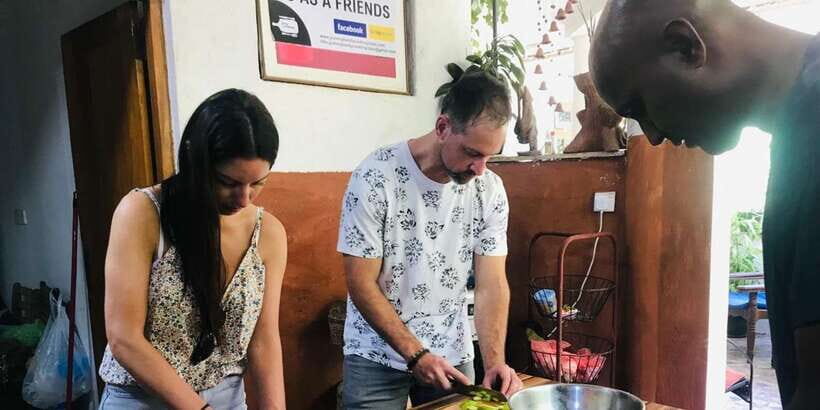
- Up to 4 participants: you can ask questions and get real feedback, not just watch.
- Personal market-to-plate feel: you may shop for produce first, then cook with what you picked.
- Cook from scratch: dishes aren’t built from pre-prepped shortcuts.
- Sri Lankan staples on the menu: look out for lentils and jackfruit curry, plus chutneys and vegetables.
- Diet-friendly lunch options: vegan and gluten-free choices are included in the planning.
- Recipes and instructions after: you leave with the directions you need to repeat at home.
Why This Kandy Class Feels More Like Learning Than Watching
Kandy has plenty of food tours, but this one is built around doing. With a group limited to 4, you don’t get shoved to the edge of the kitchen. You’ll be chopping, mixing, tasting, and asking why something works—then adjusting based on guidance right there.
The class is led by Chitra, a professional in Sri Lankan cuisine, and the teaching style comes across as warm and practical. In practice, you may cook alongside a friendly host and their team, and the vibe is the same: helpful, patient, and focused on getting you results. If you’ve ever taken a cooking class where you spend most of the time waiting, this format is the opposite.
I also like the clarity of what you’ll walk away with. You’re not just learning a single dish—you’re building a set of skills around spice blends, cooking methods, and how Sri Lankan flavors come together. That’s the kind of lesson you can reuse long after your trip.
More Sri Lankan Cooking Classes in Kandy & Sri Lanka's Hill Country

The 3-Hour Flow: Pickup, Prep, Cooking, and Lunch
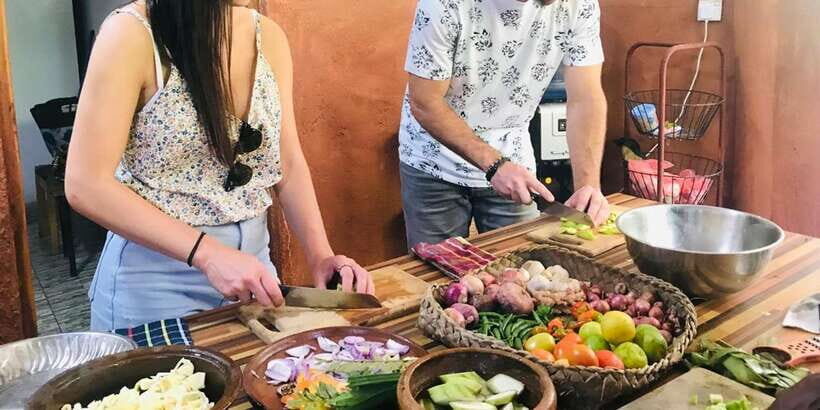
The experience runs for 3 hours, and it moves in a steady loop: arrive, prepare, cook, eat, repeat (with smaller variations based on the menu). You’ll meet your host at the concierge desk of your hotel. Then you’ll head out together, usually by tuk tuk or van depending on how many people are in the group.
A common highlight is that you may stop at a market to pick ingredients before cooking. Even if you’re not a power-shopper, this step helps you connect flavors to ingredients. You learn what’s fresh, what to look for, and why certain vegetables and produce work well in Sri Lankan dishes.
Once you’re in the kitchen space, the pace shifts from ingredient talk to action. You’ll use the equipment provided, and there’s bottled water plus coffee and/or tea included. Then it’s hands-on cooking from start to finish—so you see the whole process, not just the final plating.
By the time you sit down to eat, you’re not ordering a meal you already recognize. You’re tasting the dishes you cooked and picking up what you did right (and what you’d tweak next time). That meal part matters more than people expect. When you finish a curry with confidence, lunch stops being filler and becomes a real reward.
What You’ll Cook: Lentils, Jackfruit Curry, and Sri Lankan Comfort Food
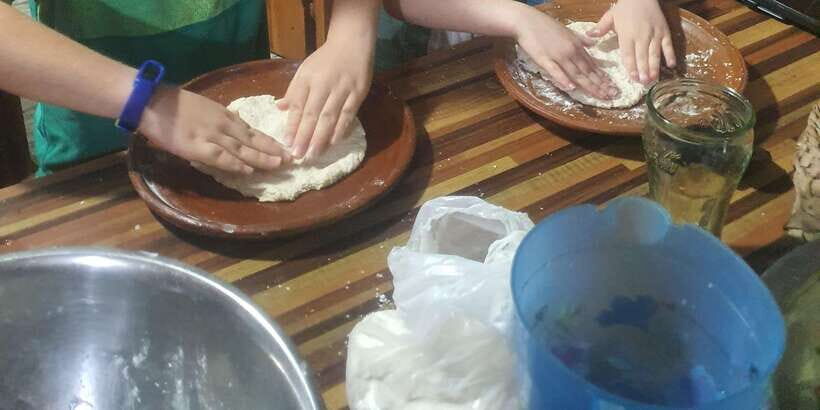
The menu is designed to show you both staples and standout Sri Lankan flavors. A few dishes are specifically called out, including lentils and jackfruit curry. Those are great choices for learning because they teach different lessons: lentils show spice balance and texture, while jackfruit curry teaches how to work with a fruit that behaves like a savory base.
Depending on the class version, you may also make items like chutney and vegetable dishes. One session description highlights mango chutney, plus vegetable plates alongside curries. In other cases, you might cook a chicken curry in addition to the vegan options, because the class can cover multiple preferences without turning into a separate production line.
Here’s why that matters for you: you’re not just tasting Sri Lanka—you’re learning how ingredients are treated. Curries aren’t all the same. Some are built for warmth and depth, some for tang, and others for a brighter, fresher bite. Even if you only cook at home occasionally, these patterns make future meals easier.
And if you’re vegan or gluten-free, you should feel comfortable going in. The class offers meals according to your dietary preference, including vegan/vegetarian and gluten-free options. That doesn’t mean the food turns into bland substitutes. Instead, you get a menu designed to fit your needs while still staying rooted in Sri Lankan flavors.
The Spice Lessons That Actually Stick at Home
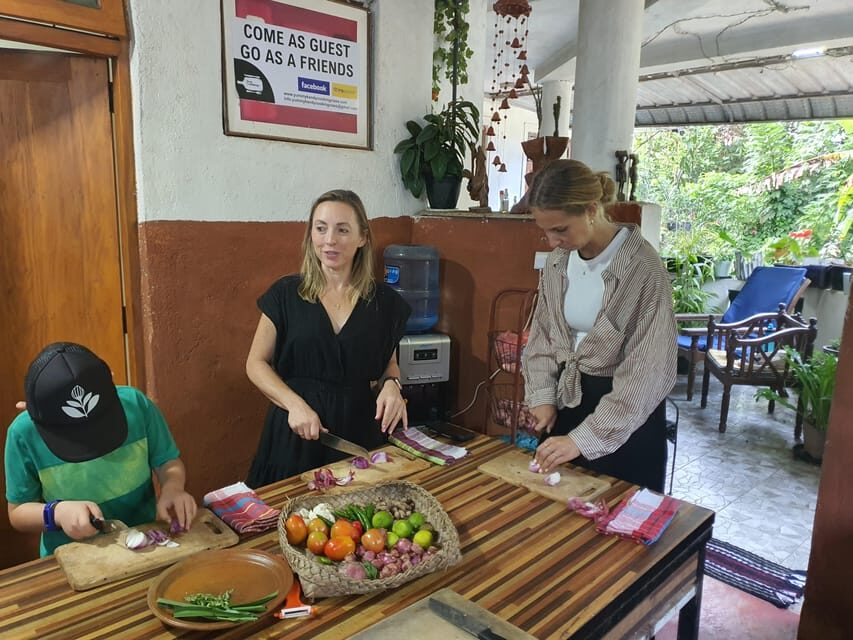
The best part of a cooking class is not memorizing steps. It’s understanding what to watch for while the food changes. This one is built around technique: spice blending, how to build flavor through cooking order, and how to adjust during cooking.
When you cook lentils and curry sauces, you learn how spices react to heat and liquid. When you work with jackfruit, you learn how to treat it so it takes on the curry instead of staying flat. When chutneys come into play, you see how a sweet-tang balance can make a dish feel complete.
One thing I really appreciate from how the class is described is that the food isn’t pre-prepared. That matters because you actually learn the turning points—the moment a mixture thickens, the moment aroma shifts, and how texture changes as it cooks. If you ever tried to recreate a curry at home and wondered why yours tasted different, it’s usually because you missed those process cues.
If you like learning practical food details, you might also pick up notes about vegetables—like which ones fit certain dishes and how to prepare them the right way. Those small insights tend to be the most useful souvenirs, because they help you cook the next meal without guessing.
Dining With Your Hands Still Smelling Like Curry
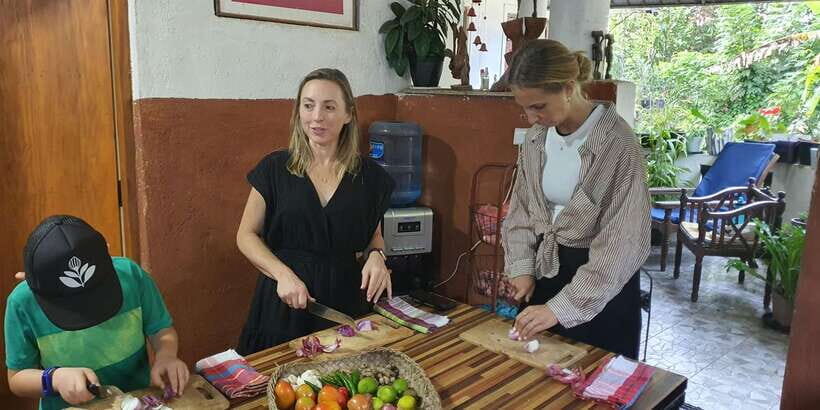
Yes, you’ll cook. And yes, you’ll eat. But the eating here is part of the lesson loop.
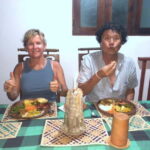
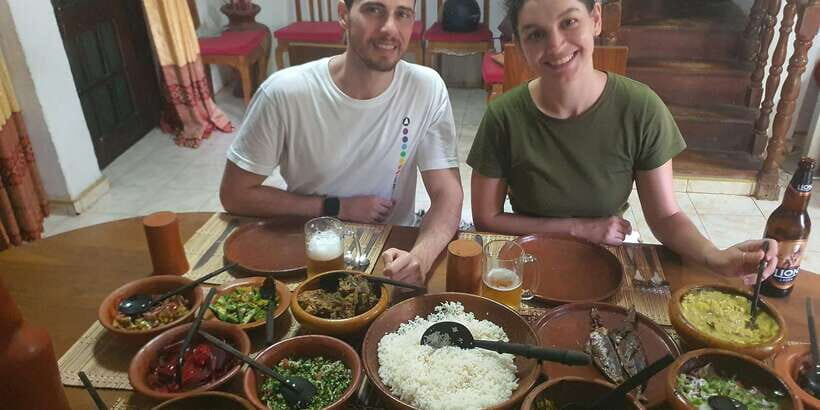
You gather around the table after cooking and share the dishes you made. That social setup isn’t just for fun—it helps you taste thoughtfully. You can ask, compare notes, and notice differences between how your dish looks versus someone else’s. That quick feedback circle is one reason classes like this work better than solo cooking at home.
Also, the general tone from past participants is that the meal can rival or beat restaurant food in Sri Lanka. That makes sense: the food is cooked by people who do this for a living, using the steps you just practiced. When you eat what you made, you don’t just get full—you get a stronger sense of what correct flavor should feel like.
Even better, the class keeps the whole experience comfortable with simple included basics: bottled water, and coffee/tea to start or settle in. It’s not a “bring your own” situation, and that keeps the morning or afternoon stress low.
Other private tours in Kandy





Price and Value: Is $40 Worth It?
At $40 per person for about 3 hours, the value depends on what you want out of the time. If you’re only chasing a casual snack, it feels like a lot. If you want skills, lunch, and a real meal at the end, it’s very reasonable.
What pushes the value up:
- A group capped at 4 means you get instructor attention.
- The class includes coffee/tea, lunch, all kitchen equipment, and bottled water.
- You’re learning multiple dishes, not one quick demo.
- You may also leave with recipes and instructions, which is the “payoff” after the curry high wears off.
I look at it this way: even one good meal in a touristy spot plus a cooking-market stop can cost close to this amount. Here, you get food plus instruction, which is harder to come by. And because you’re cooking from scratch, you’re not paying for a performance—you’re paying for a practical outcome.
Logistics in Kandy: Pickup, Timing, and Comfort
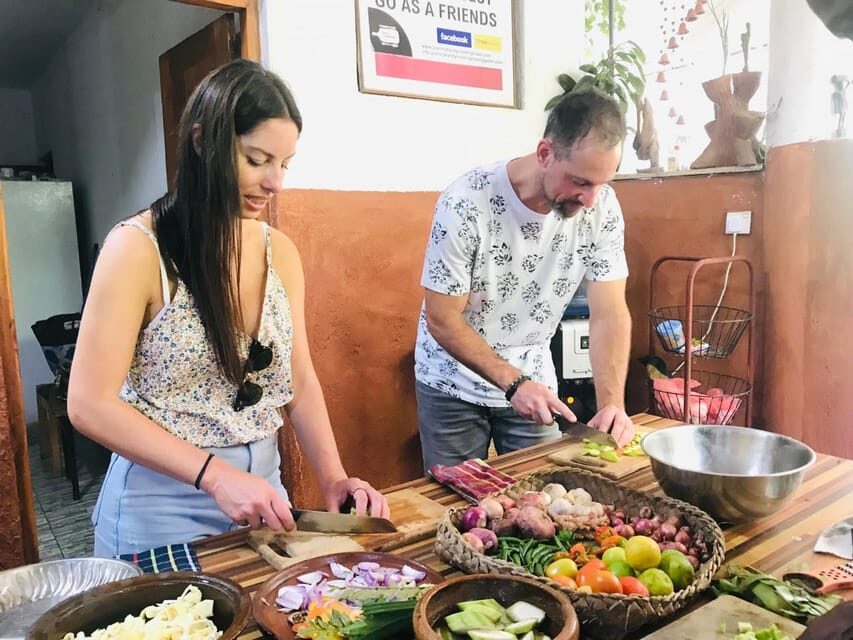
This class is designed to be easy to slot into a Kandy day. Pickup is included, and you’ll meet at the concierge desk of your hotel. After the class, you’re dropped back to your hotel.
The transport method is flexible: a tuk tuk or a van, based on group size. Either way, it keeps you from having to figure out routes, timing, or finding the place yourself. One smart detail: the meeting point is your hotel concierge. That reduces the “where do I go” anxiety that can turn a morning sour.
Timing-wise, plan around the 3-hour block and whatever travel time it takes to reach the cooking location. If your hotel is far from the center, expect a bit of extra transit. If you’re staying closer, the day feels tighter and calmer.
Language is English, and the class is wheelchair accessible. If you use a wheelchair, it’s worth considering that any kitchen setup can have uneven spots, so ask in advance how accessible the workspace feels for your chair.
Who Should Book This Cooking Class (and Who Might Skip It)
This is a strong fit if:
- You want hands-on teaching with real feedback.
- You’re traveling as a small group or couple and want personal attention.
- You care about dietary needs and want vegan and gluten-free options planned into the menu.
- You like leaving with recipes and a repeatable skill, not just photos.
It may not be the best match if:
- You want a long, slow class where you take your time with every step.
- You prefer strictly vegetarian-only menus without any chance of learning mixed-dish technique. (You can choose dietary preferences, but menus can vary by session.)
If you’re a beginner, that’s okay. The class is structured to guide you during the process. If you’re more experienced, you’ll still get value from learning Sri Lankan spice and cooking order so you can improve your own curries back home.
Should You Book This Kandy Cooking Class?
If you want an experience that goes beyond eating and actually teaches you how Sri Lankan flavors are built, book it. The small-group size, the chance to cook from scratch, and the option for vegan and gluten-free meals make it a practical, satisfying choice.
I’d especially recommend it if you’re in Kandy for a short stay and want one activity that delivers both skills and a full lunch. And if you care about taking something home—recipes, instructions, and technique notes—this class is set up for that payoff.
If you’re unsure, the decision is simple: if cooking classes usually feel like demos to you, this one is built to feel like learning.
FAQ
How long is the cooking class?
The class runs for 3 hours.
How many people are in the small group?
It’s limited to a small group of up to 4 participants.
Is pickup and drop-off included?
Yes. You’ll meet at your hotel concierge desk, then you’ll be taken to the experience and dropped back at your hotel afterward (by tuk tuk or van, based on the number of guests).
What language is the instructor?
The instructor speaks English.
What food is included?
You get lunch, plus coffee and/or tea, bottled water, and all necessary kitchen equipment.
Are there vegan and gluten-free options?
Yes. Meals are available according to your dietary preferences, including vegan/vegetarian and gluten-free.
Is the activity wheelchair accessible?
Yes, it is listed as wheelchair accessible.
Are there any age limits?
It is not suitable for babies under 1 year.
What’s the cancellation policy?
There is free cancellation up to 24 hours in advance for a full refund.