REVIEW · KANDY
Authentic Sri Lankan Cooking Class in Kandy by Local Family
Book on GetYourGuide →Operated by The Best Kandy Kitchen · Bookable on GetYourGuide
A Sri Lankan kitchen lesson beats a restaurant meal. This Kandy class is hosted by a real family in their own home kitchen near Bahirawakanda Mountain, set in calm green surroundings. I especially like how you’re taught by the wife, sister, and mother, not a hired chef, and how the food connects to daily life, not just recipes.
You’ll also enjoy the small setup (up to 2 people) and the chance to ask questions while you cook and taste. One thing to keep in mind: because it’s a fast 3-hour session and there are lots of dishes, some parts may be handled by the family while you do key seasoning and hands-on steps—so go in ready to learn, not expect full control of every minute.
In This Review
- Key Things You’ll Notice in This Kandy Kitchen
- Where This Class Lives: Kandy’s Calm, Family-Home Atmosphere
- The People Who Teach You: Wife, Sister, Mother (and the Whole Family System)
- What the 3-Hour Session Really Includes (And Why It’s Such Good Value)
- A realistic expectation: hands-on, but not every step
- Step-by-Step: How Your Morning or Evening Plays Out
- 1) Pickup and arrival: easy start, no stress
- 2) Market-style ingredient shopping (when included)
- 3) Cooking time: lots of dishes, clear instruction
- 4) Tea and snack timing (sometimes part of the pre-cook period)
- 5) The meal: you eat what you make
- The Flavors You’ll Learn: Coconut Sambol, Coconut Roti, and Curries with Real Character
- Coconut sambol: not just sauce
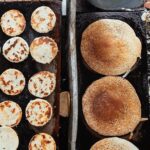
- Coconut roti: the comfort base
- Vegetable curries: ten types means you learn variety fast
- Price and Value: $99 for Up to 2 People Isn’t Just “Budget”
- Logistics and Practical Notes You Should Know
- Who This Class Is Perfect For (And Who Might Want Something Else)
- Tips to Get Even More Out of Your Class
- Should You Book The Best Kandy Kitchen?
- FAQ
- How long is the Sri Lankan cooking class in Kandy?
- Is this a small group experience?
- What language is the instruction provided in?
- What food is included in the class?
- Does the class include pickup and drop-off?
- Are recipes provided at the end?
- What should I bring?
- Is it wheelchair accessible?
Key Things You’ll Notice in This Kandy Kitchen
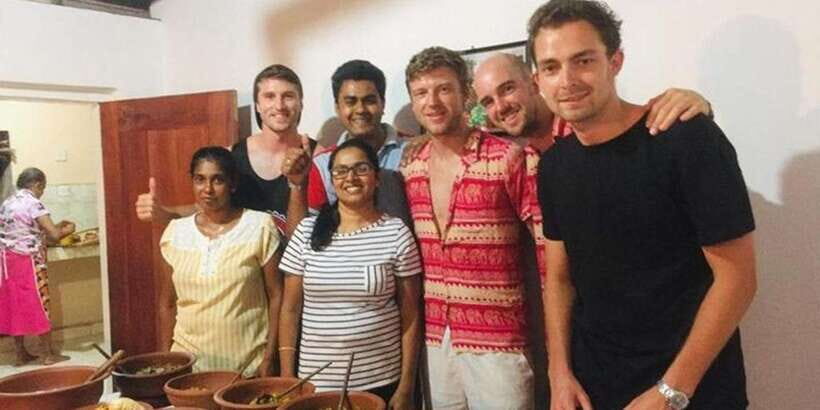
- A family-run home kitchen near Bahirawakanda Mountain, with a peaceful, green setting
- Teachers are the real cooks: wife, sister, mother, sometimes with little girls joining in
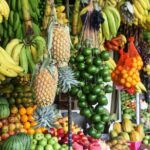
- Market-style spice and produce talk if your session includes shopping with the guide
- Coconut sambol and coconut roti built into the experience, not treated as an extra
- Around 10+ dishes in 3 hours, so you’ll learn fast and eat a lot
- Recipes at the end, so you can recreate the flavors back home
Where This Class Lives: Kandy’s Calm, Family-Home Atmosphere
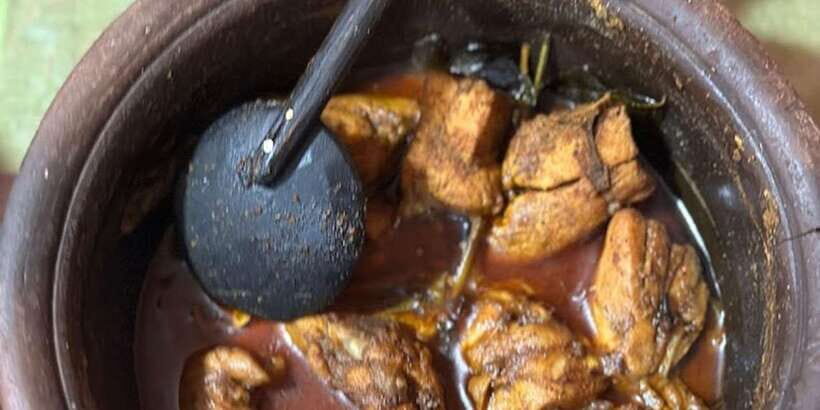
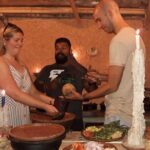
This isn’t a studio or a restaurant “show.” The class takes place inside the family home kitchen, close to the Bahirawakanda Mountain area and the big Buddha statue viewpoint. That matters because Sri Lankan cooking isn’t just about techniques. It’s about rhythm—how the day moves, how spices get used again and again, and how family members work together.
The location also sets your mood. You’re in a calm, green part of the area, which makes the whole session feel less like an activity and more like visiting a household that cooks often. The hosts explain that women cook traditional foods daily—roughly three times a day—so it isn’t theory. It’s lived practice.
I like that the experience feels personal from minute one. Small group size means you’re not stuck watching from the sidelines while a larger group “fills up the kitchen.”
More Sri Lankan Cooking Classes in Kandy & Sri Lanka's Hill Country

The People Who Teach You: Wife, Sister, Mother (and the Whole Family System)
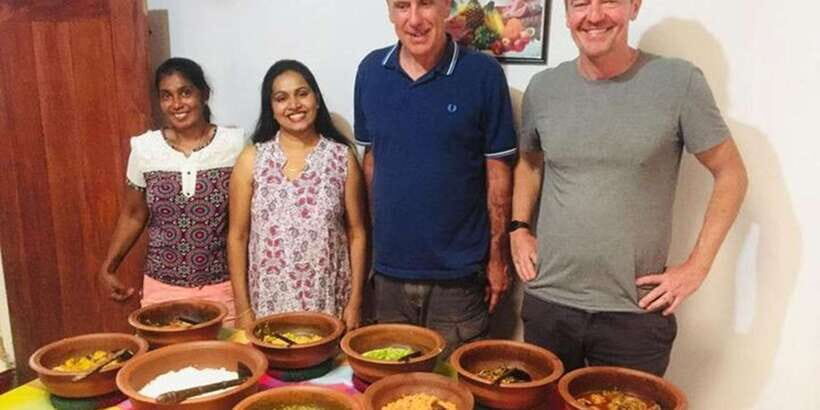
The biggest difference here is who teaches. There’s no chef on a schedule. The teachers are the family’s wife, sister, and mother, and sometimes their little girls join too. That changes the energy. It’s warmer, more casual, and much easier to ask questions.
You get answers that sound like real life:
- Why certain spices go in earlier or later
- What to look for when something thickens or darkens
- How the household thinks about flavor balance
Even better, the class format supports Q&A. One of the most consistent things I’d take from the way people describe this experience is that you can ask all your questions and still keep the cooking flowing.
If you’re the kind of person who travels to learn how locals actually eat, this teaching setup is a big win. You’re not just copying steps—you’re understanding decisions.
What the 3-Hour Session Really Includes (And Why It’s Such Good Value)
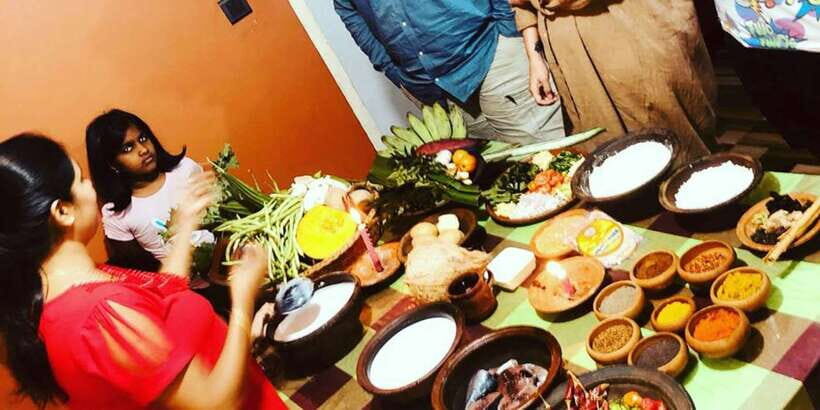
The duration is 3 hours, and the class is priced at $99 per group up to 2. In Kandy, that price can sound like a “tour price” until you match it to what’s included. Here you get:
- Ten types of vegetable dishes
- Fish or chicken (your choice)
- Coconut sambol
- Coconut roti
- Bottled water
- Pickup and drop-off around Kandy town
- Recipes at the end
That recipe handover is quietly valuable. Cooking classes sometimes stop at the last bite. Here, you’re leaving with something usable.
Also, this class is designed to feed you. It’s not a snack-and-sample lesson. Plan for a proper meal at the end, and plan your day around it. One good rule: don’t schedule lunch right before, unless you really enjoy being uncomfortably full.
A realistic expectation: hands-on, but not every step
Because there’s so much food to cover in a short time, the family may handle some of the heavier workload. You still season and participate—just not every movement of the cooking clock. So if your dream is to do everything start-to-finish like you’re on a reality cooking show, you might feel slightly limited. If your goal is to learn the “why” and walk away with strong techniques, this pace works.
Step-by-Step: How Your Morning or Evening Plays Out
The exact order can vary by session, but the flow is built around three phases: ingredients, cooking, and eating.
Other cooking classes in Kandy

1) Pickup and arrival: easy start, no stress
If you pick the pickup option, you’re collected from your hotel area (around Kandy town) and you wait in the lobby about 10 minutes early. This small detail matters. Kandy has traffic and uneven walking in places, so being picked up keeps the experience from turning into a logistical chore.
Once you arrive, you’re welcomed into the home. Many people describe the reception as warm and relaxed, and that tone continues into the kitchen work.
2) Market-style ingredient shopping (when included)
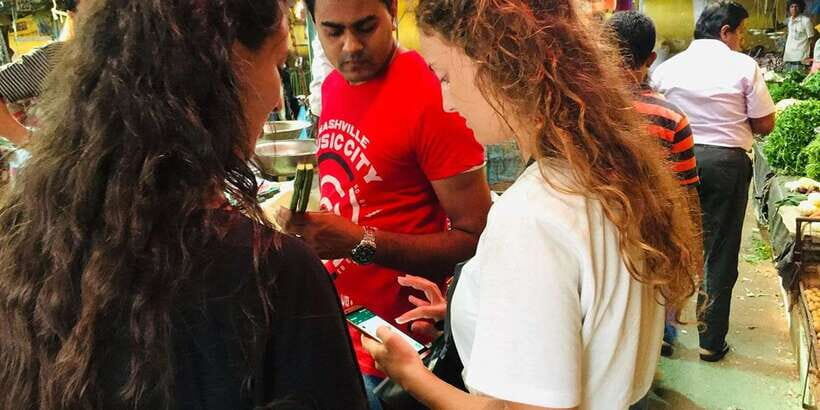
Some classes include a local market component, where you walk to buy groceries and talk about spices and vegetables. In at least one experience, Dinesha guides the market part and explains what you’re actually selecting and why.
Even if your session doesn’t include market shopping, the class still centers on ingredients and spice understanding. Either way, you come away with a clearer sense of what’s “standard pantry” in Sri Lankan cooking—and what’s worth substituting if you cook at home.
3) Cooking time: lots of dishes, clear instruction
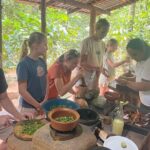
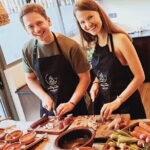
You’ll cook inside the home kitchen. The family structure makes it feel efficient—multiple people working, passing items around, and coordinating tasks like they do every day.
You’ll learn and make:
- Multiple vegetable curries (ten types)
- Coconut roti
- Coconut sambol
People often highlight particular dishes after the class. For example, eggplant and mushroom curry come up as favorites. So does a traditional sambol-making method using a very old stone board—one of those details that turns a lesson into a memory.
Also, because the family regularly cooks these foods, the lessons aren’t overly theoretical. You learn by watching, then you do. You season yourself rather than just watching someone else taste.
4) Tea and snack timing (sometimes part of the pre-cook period)
Some sessions include a calm break while ingredients are being prepped. One experience notes tea and pancakes during the waiting/prep time. If that happens in your class, think of it as a chance to get comfortable, ask questions, and let the kitchen team finish prep before you start.
5) The meal: you eat what you make
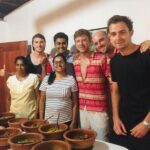
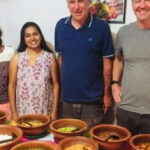
At the end, you sit down and eat the dishes you helped prepare. This is the payoff. And yes, it’s a lot of food—especially the curries. If you’re the type who likes trying small bites of many dishes, you’re in luck.
If you’re the type who gets overwhelmed by too much food at once, pace yourself. It’s still all delicious, but Sri Lankan meals are generous by design.
The Flavors You’ll Learn: Coconut Sambol, Coconut Roti, and Curries with Real Character
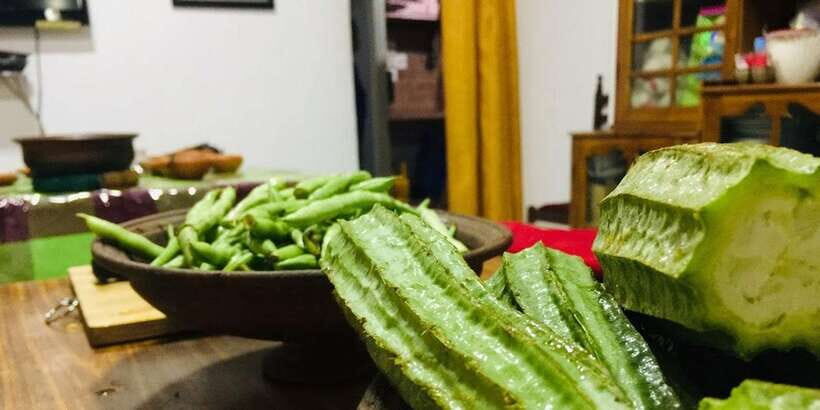
What makes Sri Lankan flavors feel special to many people is how they layer spice with texture—crunch, sweetness, heat, and coconut all playing together.
Two signature items in this class are coconut sambol and coconut roti.
Coconut sambol: not just sauce
Coconut sambol is one of those foods that teaches you about texture. Reviews call out the stone-board method for making sambol, which tells you something: grinding and mixing matter. The goal is not only taste—it’s the feel of the mixture and how it clings to roti and other bites.
Coconut roti: the comfort base
Coconut roti gives you a starchy, coconut-rich base that balances the curries. Learning roti here makes the class more complete than cooking individual curries and calling it a day.
Vegetable curries: ten types means you learn variety fast
Ten vegetable dishes in a single session means you’ll see how spice profiles can change based on ingredient—eggplant versus mushroom, for example. That quick variety is great for your takeaway. After one class, you’ll have a better sense of how to build a curry that fits the vegetables you find locally.
Price and Value: $99 for Up to 2 People Isn’t Just “Budget”
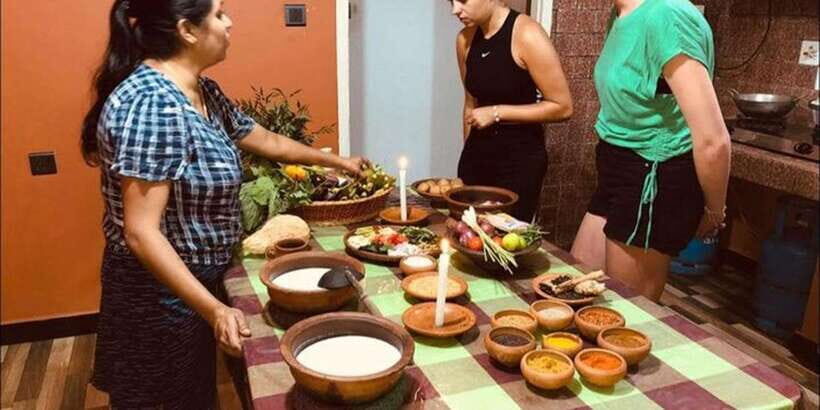
Let’s talk value in a practical way. You’re paying $99 per group up to 2, which is competitive for Kandy when you consider:
- multiple dishes (ten vegetable dishes plus fish or chicken)
- coconut sambol and coconut roti
- bottled water
- pickup and drop-off around town
- recipes provided at the end
Also, the group limit matters. In a bigger class, you might spend more time waiting and less time cooking. Here, the small group helps you actually learn.
If you’re traveling as a couple or a duo of friends, this pricing makes it easier to justify than a per-person class where you’re paying for the same kitchen time over and over.
Logistics and Practical Notes You Should Know
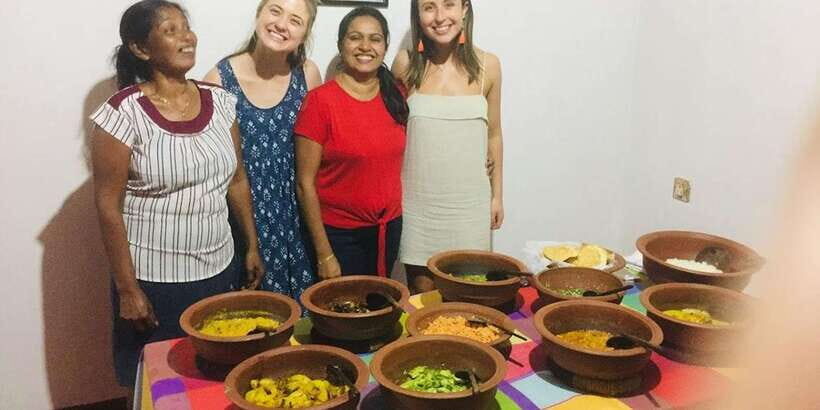
Here are the details that can affect your comfort level:
- Small group: up to 2 participants, so it’s more personal but you’ll want to reserve your spot early if dates are limited.
- English instruction is listed, and people consistently describe the communication as clear.
- Bring change of clothes. Cooking can be messy, and you might get splashes while handling ingredients.
- Bring cash and a charged smartphone (useful for photos and keeping track of any notes you want to take).
- Wheelchair users: not suitable. This is inside a home kitchen, so access is not set up for wheelchairs based on the activity info.
- Pets are not allowed. (Assistance dogs are allowed.)
Who This Class Is Perfect For (And Who Might Want Something Else)
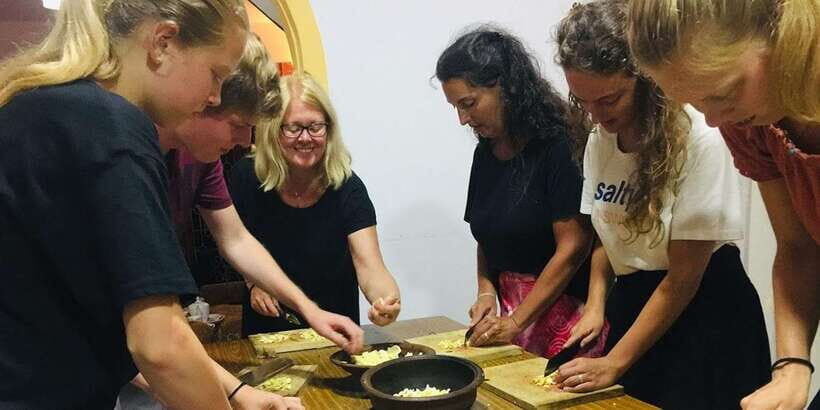
This is a great fit if you want:
- a real home cooking experience, not a performance
- hands-on learning with strong spice guidance
- a meal that feels like Sri Lankan family food
- recipes you can use after you return home
It’s also good for travelers who like food history through daily habits. Here, you learn why people cook certain items often, not just how to follow a recipe once.
If you hate eating a lot at once, or you prefer ultra-structured cooking stations like a cooking school, you may find the pace heavy. You’ll still learn plenty, but the family-run approach is more organic and less “training program.”
Tips to Get Even More Out of Your Class
A few small actions make a difference:
- Go hungry, but plan your meal timing. You’ll likely leave stuffed, so don’t book lunch right before.
- Ask about spice levels early. If you want milder or hotter versions at home, ask how the family adjusts seasoning.
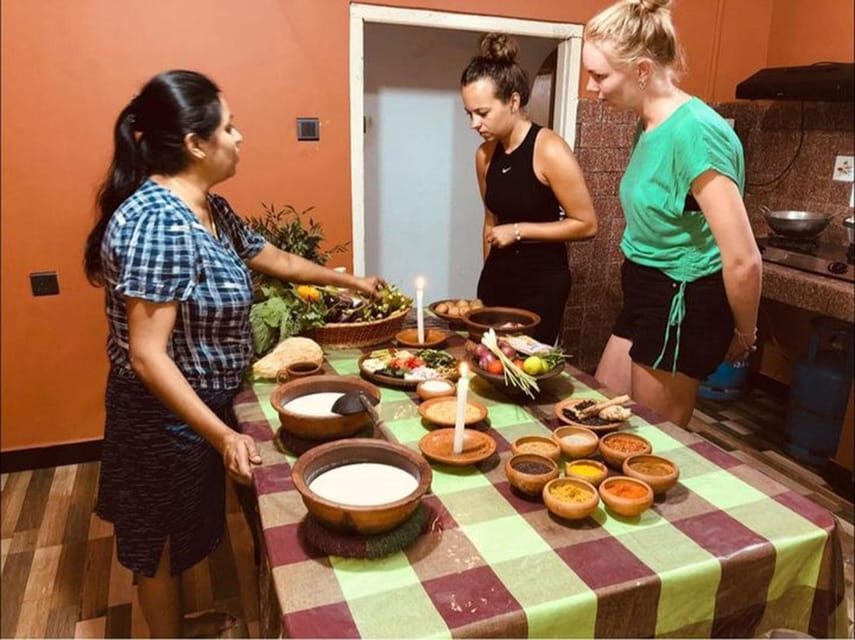
- Take a photo of your ingredient setup (smartphone charged, camera ready). When you get the recipes, your photos help you match textures you remember.
- Write down any substitution advice. You’ll get recipes at the end, and having notes on spice options helps you cook later in your own kitchen.
Should You Book The Best Kandy Kitchen?
I’d book it if you want an authentic Sri Lankan cooking class that actually feels like you’re inside a family home. The combination of small group size, family-led teaching, coconut sambol/roti, and a big multi-dish meal gives you a lot of learning per hour. Plus, you’ll leave with recipes, not just a full stomach.
Skip this only if you’re a wheelchair user (it’s not suitable), or if you want a strictly hands-on, chef-led experience where you do every step yourself. Otherwise, for a duo, couple, or food-focused traveler, this is strong value—and the kind of Kandy experience that sticks with you long after the curry memory fades.
FAQ
How long is the Sri Lankan cooking class in Kandy?
The class lasts 3 hours.
Is this a small group experience?
Yes. It’s limited to 2 participants.
What language is the instruction provided in?
The instructor teaches in English.
What food is included in the class?
You’ll learn and cook ten types of vegetable dishes, plus fish or chicken (your choice), coconut sambol, and coconut roti.
Does the class include pickup and drop-off?
Yes. Pickup and drop-off are included around Kandy town. You’ll be asked for pickup details to confirm.
Are recipes provided at the end?
Yes. Recipes are provided after the class.
What should I bring?
Bring a change of clothes, a camera, cash, and a charged smartphone.
Is it wheelchair accessible?
No. Wheelchair users are not suitable for this activity.