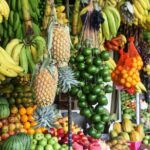
REVIEW · KANDY
Authentic Sri Lankan Cooking Class in Kandy with Local Family
Book on Viator →Operated by Best Kandy kitchen · Bookable on Viator
Dinner starts with real family stories in Kandy. What I like most is the hands-on, family-led approach and the fact you leave with recipes you can repeat at home. The only real consideration is that this is taught by a home kitchen team, not a professional chef, so the pace and setup feel more personal than polished.
You’ll cook in a calm, green neighborhood near the Bahirawakanda Mountain’s big Buddhas statue, with a small group size (up to 15). Pickup is offered around Kandy city, and the start time is 5:00 pm, which makes it a great way to turn an evening into something memorable. If you enjoy food as part of everyday culture, this is the kind of class you’ll still think about later.
In This Review
- Key things that make this Kandy class worth your time
- A Kandy Cooking Class That Happens in a Real Home Kitchen
- Meeting at 5 pm: Timing, Pickup, and Small-Group Feel
- What You’ll Cook: Techniques You Can Actually Reuse
- The Spice-Market Angle: Add It if You Want Ingredient Confidence
- Eating Together and Learning Everyday Sri Lankan Life
- Price and Value: Why $35 Works Here
- Who This Is Best For (and Who Might Want Another Option)
- Quick practical tips before you go
- Should You Book This Kandy Family Cooking Class?
- FAQ
- What time does the cooking class start?
- How long is the cooking class in Kandy?
- How much does the Kandy cooking class cost?
- Where is the class held?
- Is pickup and drop-off available?
- How many people are in each class?
- Do you receive recipes at the end?
- Is there free cancellation?
- What ticket format is used?
Key things that make this Kandy class worth your time
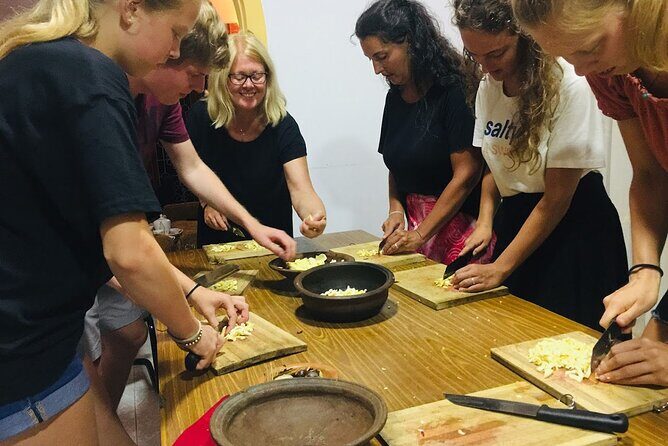
- Family instruction, not a scripted demo (wife, sister, mother, and sometimes three little girls help)
- A home kitchen setting close to the Bahirawakanda Mountain area
- Practical cooking techniques you can repeat at home
- Optional spice-and-market guidance if you want to see ingredients up close
- Take-home recipes provided at the end of the class
A Kandy Cooking Class That Happens in a Real Home Kitchen
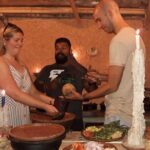
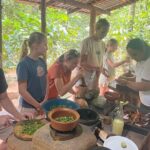
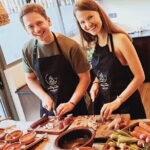
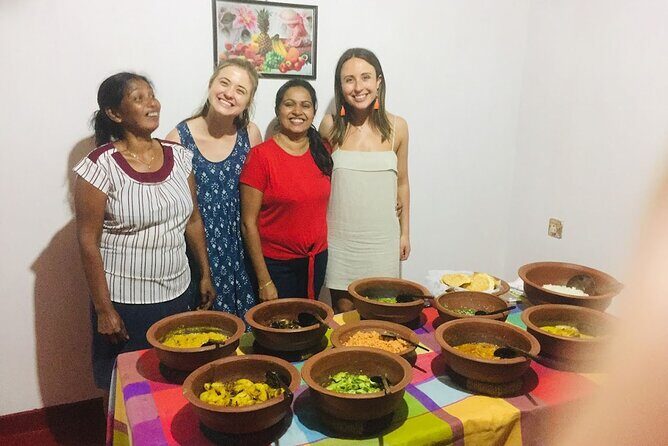
This is one of those experiences where the details matter. The lesson is hosted in a family home kitchen, not a cooking school studio. That changes the whole vibe. Instead of feeling like you’re consuming a performance, you’re learning how people actually cook day to day in Sri Lanka.
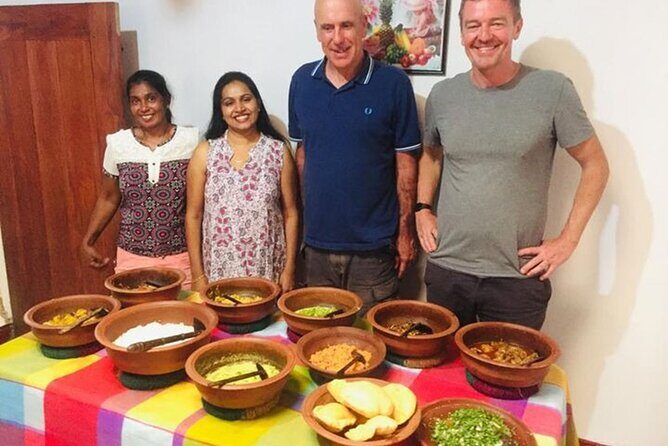
The teaching team is the real draw. The class is led by the family itself: the wife, the sister, and the mother handle the cooking lessons, with three little girls sometimes joining in. That matters because you’re not just picking up recipes. You’re hearing the why behind the food—how choices in spices, vegetables, and timing connect to daily life. It also means the atmosphere is warm and lively in a way a standard class can’t copy.
One more thing I appreciate: the hosts are clear that women in the household hold the cooking know-how because they cook more or less three times per day. In other words, the skills here aren’t occasional hobby cooking. They’re learned through repetition and daily rhythm.
More Sri Lankan Cooking Classes in Kandy & Sri Lanka's Hill Country

Meeting at 5 pm: Timing, Pickup, and Small-Group Feel
The class starts at 5:00 pm and runs about 3 hours. That evening timing is smart in Kandy. You avoid the mid-day heat and you turn dinner hour into a structured, fun activity. It’s also long enough to feel like you did more than taste a couple bites.
Group size stays small, with a maximum of 15 people. For a cooking class, smaller usually means better attention and fewer bottlenecks around ingredients and work space. In a home kitchen, that can make the difference between feeling rushed and actually learning at a comfortable pace.
Pickup is offered for around Kandy city only, and there’s also an option to return you after the class. If you’re staying in the central area, that’s a big help. If you’re not, you can still reach the area since the experience is near public transportation.
You’ll also get a mobile ticket, and confirmation is received at booking time. Those small logistics details matter when you’re trying to plan your day in Kandy without stress.
What You’ll Cook: Techniques You Can Actually Reuse
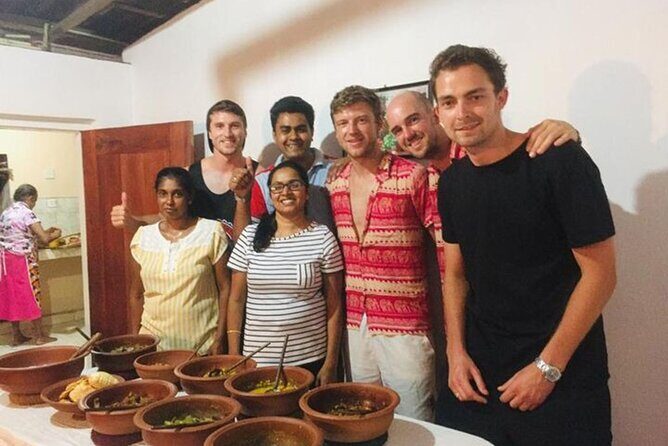
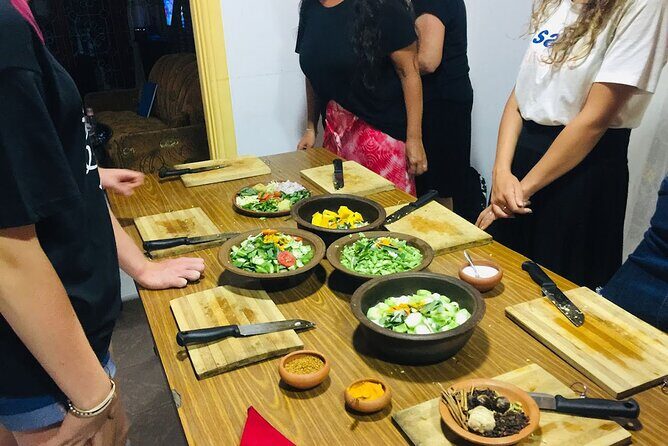
Here’s the practical truth about cooking classes: some teach you recipes, but only a few teach you technique. This one aims for technique. You’re shown how to cook traditional Sri Lankan food using methods that are meant to be repeated back home, not just copied as a one-off holiday project.
Because the class is taught by family members who cook regularly, the instruction tends to focus on the way Sri Lankan cooking is built:
- Spices and vegetables aren’t treated like garnish. They’re part of the foundation.
- Cooking is taught as process, not just steps.
- You get guidance that’s meant to help you understand what changes if you adjust something at home.
At the end, you get recipes. That’s valuable because it lets you recreate what you learned without relying on memory. It also helps if you want to practice right away while the smells and flavors are still fresh in your head.
The Spice-Market Angle: Add It if You Want Ingredient Confidence
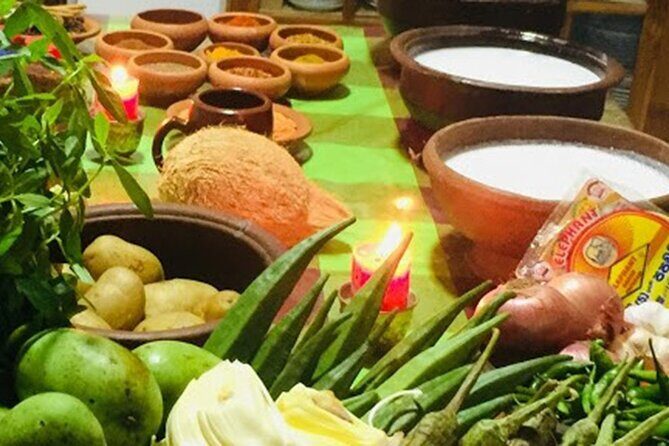
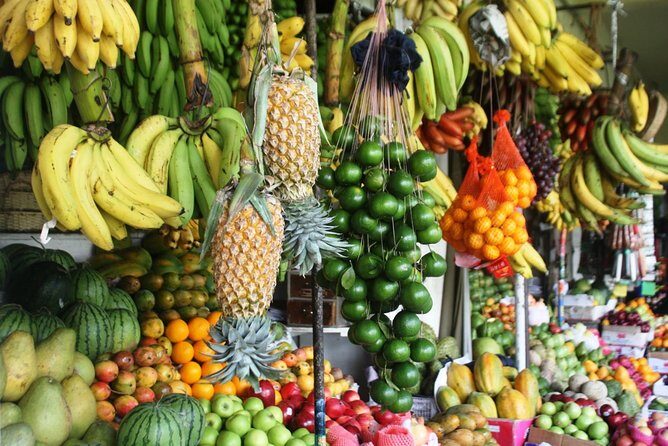
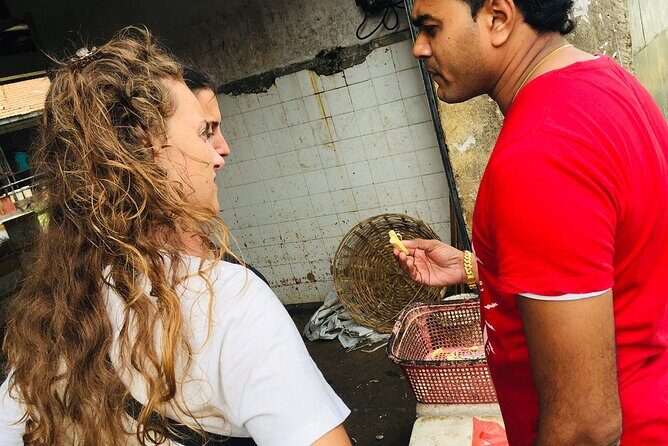
If you like the idea of understanding where food comes from, this class gives you an option that many classes skip. The hosts can guide you to the local market to see spices and vegetables, along with explanations about what they are and how they fit into Sri Lankan cooking.
Even if you don’t go to the market every time you cook at home, the ingredient context is huge. When you know what a spice is supposed to do, you cook with more confidence. You’re less likely to treat spices as mysterious powders you sprinkle blindly.
A useful way to think about it: market guidance turns cooking from copy-paste into something you can adapt. If you’ve got a go-to spice supplier near you, you’ll know what to look for. If you need substitutions, you’ll understand the role the ingredient plays in the final dish.
Eating Together and Learning Everyday Sri Lankan Life
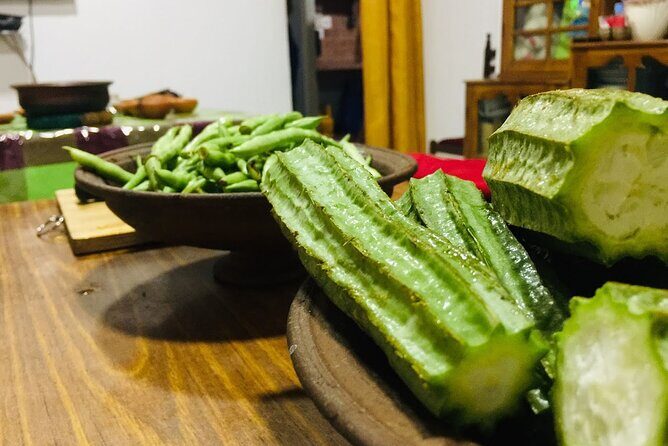
This class isn’t just about food, it’s about life around food. The hosts teach from their daily world, and you’ll get a sense of family routine through the way they explain cooking and traditions.
The setting helps. You’re in a quiet, green home environment near the Bahirawakanda Mountain area, which gives the whole experience a calmer feeling than city-center activities. That matters because a cooking class works best when you’re not battling crowds, traffic, and noise.
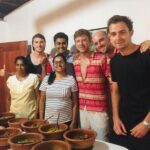
Also, the family element keeps the evening human. With the mother/sister/wife team teaching, and the kids sometimes involved, you’re likely to feel like you’re stepping into a real home, not watching strangers run a business. That connection tends to be what people remember later.
Other cooking classes in Kandy

Price and Value: Why $35 Works Here
At $35 per person for about three hours, this is priced like a serious activity, not a quick tasting. The value comes from a few things that add up:
- You’re learning techniques you can reuse.
- You’re cooking and eating as part of the experience.
- You receive recipes to take home.
- It’s guided by a local family team, not a one-size-fits-all studio setup.
- Pickup and drop-off are available around the city, which can remove transportation friction.
Cooking classes can get expensive when they include lots of staff, fancy equipment, and complicated branding. Here, you’re paying mostly for instruction and the home-based experience. For many people, that makes it a fair deal—especially if you want something more personal than a restaurant meal.
One note to keep in mind: since there’s no professional chef involved (it’s taught by the family), the experience is more homey than theatrical. If you want a high-gloss, command-center kitchen, this might feel too relaxed. If you want authenticity and practical learning, that same home style is the point.
Who This Is Best For (and Who Might Want Another Option)
This class is a strong fit if you:
- want an evening activity in Kandy that turns into a memorable meal with skills attached
- enjoy food culture—spices, ingredients, and everyday routines
- like learning from real people who cook regularly
- want something you can repeat at home using the provided recipes
It may feel less ideal if you:
- expect a formal cooking-school structure led by a professional chef
- prefer very hands-off instruction where everything is pre-planned like a show
Also, the start time (5:00 pm) is great for most schedules, but if you’re planning early dinners elsewhere, you’ll want to coordinate.
Quick practical tips before you go
- Plan for a 3-hour evening block starting at 5:00 pm.
- If you’re keen on ingredients, ask whether you can include the market guidance option.
- Bring a small appetite. Even with no details provided about portion sizes, the focus is on cooking and eating the food you make.
- If you’re relying on pickup, confirm that your hotel is within the Kandy city area the service covers.
And yes, there’s flexibility: cancellation is free up to 24 hours before the start time for a full refund, which makes it easier to book while your Kandy schedule is still in motion.
Should You Book This Kandy Family Cooking Class?
I’d book it if you want a Sri Lankan cooking experience that feels lived-in and practical. The combination of a family-led kitchen, a small group size, and take-home recipes is exactly the kind of value that turns a vacation meal into real skill.
Choose it especially if you care about spices and want ingredient context—either through cooking instruction alone or with the added option of market guidance. Skip it if your priority is a formal chef-led studio class with a more rigid, polished format.
If your goal is to leave Kandy with more than photos—something you can repeat at home—this one is a solid match.
FAQ
What time does the cooking class start?
The class starts at 5:00 pm.
How long is the cooking class in Kandy?
It lasts about 3 hours.
How much does the Kandy cooking class cost?
The price is $35.00 per person.
Where is the class held?
The class is held inside the host family home kitchen near the Bahirawakanda Mountain big Buddhas statue area.
Is pickup and drop-off available?
Yes. Pickup and drop-off can be arranged for hotels around Kandy city.
How many people are in each class?
The class has a maximum of 15 travelers.
Do you receive recipes at the end?
Yes. At the end of the class, recipes are provided.
Is there free cancellation?
Yes. You can cancel for a full refund up to 24 hours before the experience’s start time.
What ticket format is used?
You’ll receive a mobile ticket, and confirmation is received at booking time.