REVIEW · KANDY
Authentic Sri Lankan Cooking Experience
Book on Viator →Operated by Kandy Traditional Cooking Classes by Kandy Living · Bookable on Viator
Sri Lankan comfort food, made the old way. This Kandy cooking class feels like stepping into a family kitchen, with homegrown herbs and clay pots taking center stage. You cook over wood fire, learn why each ingredient matters, and finish with the kind of meal that tastes like it came from someone’s everyday life, not a show.
Two things I especially like are the garden-to-plate ingredient focus and the practical, hands-on coaching. You start with a tour of the spice and herb setup, including explanations of plant benefits, then you get into the cooking process for a full spread, with many people reporting they made around 7 dishes plus roti. The hosts are warm too, and even if you show up late, Sandy reportedly keeps things running so you don’t miss out.
One drawback to keep in mind: this experience depends on good weather. Because cooking happens in a traditional outdoor kitchen setting, a rain-soaked day can change the plan (the provider notes they’ll offer a different date or a full refund).
In This Review
- Key highlights you’ll care about
- Kandy’s garden-to-pot kitchen setup
- The 2.5-hour reality: meals, tools, and a steady pace
- Garden and spice walkthrough: where flavor starts
- Clay hearth cooking: techniques you can actually repeat later
- What you’ll eat: lunch, dinner, and a real Sri Lankan spread
- Price and value: why $25 can make sense here
- Logistics to plan for in Kandy
- Who this cooking class suits best
- Should you book this Kandy cooking experience?
- FAQ
- Where does the cooking class start?
- What time does it begin?
- How long is the experience?
- What meals are included?
- Are vegetarian and vegan options available?
- Is the tour private?
Key highlights you’ll care about
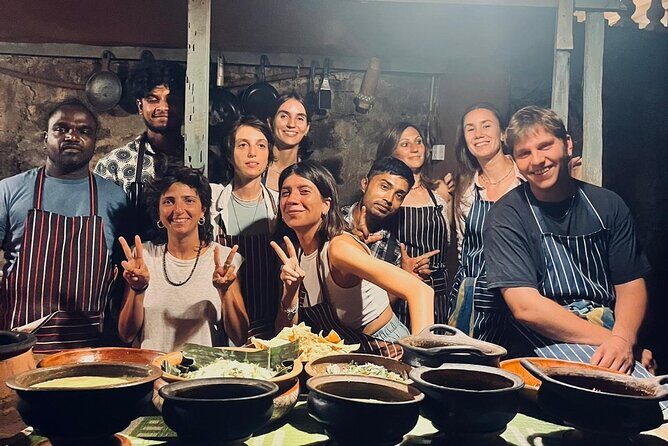
- Garden walk with spice and herb benefits before you start cooking
- Traditional tools and setup, like clay pots, coconut spoons, and a clay hearth with wood fire
- You cook a complete meal, often including roti and multiple curries/dishes
- Ayurvedic-style wellness talk tied to the ingredients you’re using
- Lunch and dinner included, so you leave properly fed
- Private group format, with vegetarian and vegan options available
Kandy’s garden-to-pot kitchen setup
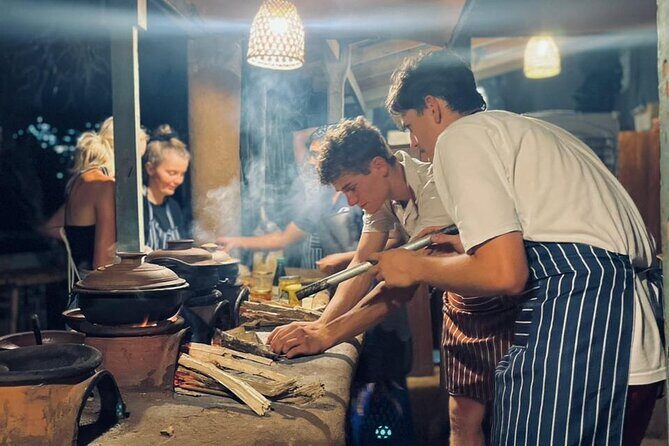
The experience starts at Kandy Living Villa & Homestay in Kandy, with the class beginning at 11:00 am and ending back at the meeting point. It’s designed as a quieter, village-style experience: a home kitchen setting surrounded by a garden, not a busy, buffet-style food stop.
What makes the setting work is that you’re not just watching from the sidelines. You’re working in the same space where ingredients are nearby, and that changes how you pay attention. When you can point to what you’re using, cooking stops being abstract. It becomes practical: smell the herb, taste the spice, and understand what it’s doing in the dish.
This is also a private tour/activity, meaning only your group participates. That matters because it usually makes it easier to ask questions, adjust for dietary needs, and move at a pace that actually lets you learn.
More Sri Lankan Cooking Classes in Kandy & Sri Lanka's Hill Country

The 2.5-hour reality: meals, tools, and a steady pace
The total time is about 2 hours 30 minutes (approx.), and it includes lunch and dinner. So you should think of this as a full food experience, not a quick snack-and-demo.
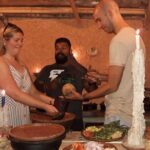
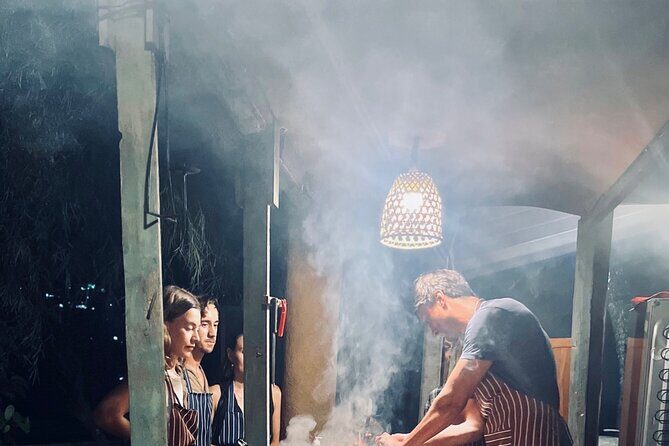
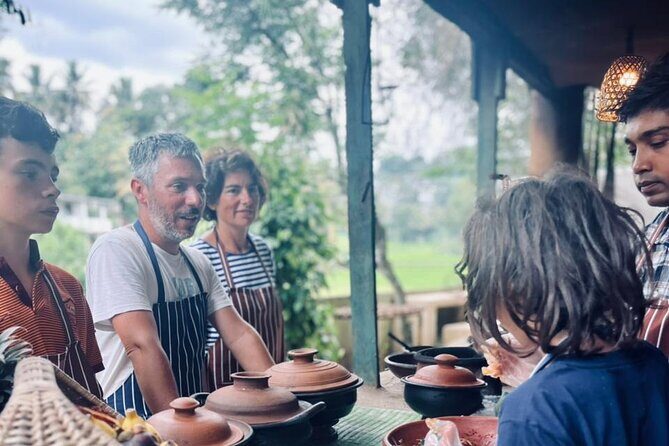
The teaching format is very “do it, then get feedback.” You’ll use traditional clay pots, coconut spoons, and cook over a firewood stove / clay hearth setup. Reviews also point to people learning multiple techniques rather than copying one curry recipe. If you like learning by doing, this is the best kind of class.
While the food is simmering, you’ll also have something to drink. The program mentions homemade herbal tea or iced tea, and that small pause is part of the rhythm. It keeps you from rushing through the cooking steps just to reach the eating part.
A practical consideration: because you’re cooking over real heat and using traditional tools, you should show up ready to get a little busy. If you want a purely hands-off experience, this one may feel a bit intense, because the whole point is that your hands are on the work.
Garden and spice walkthrough: where flavor starts
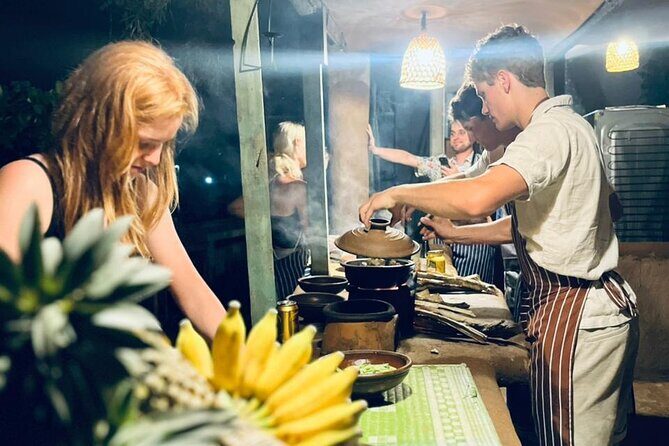
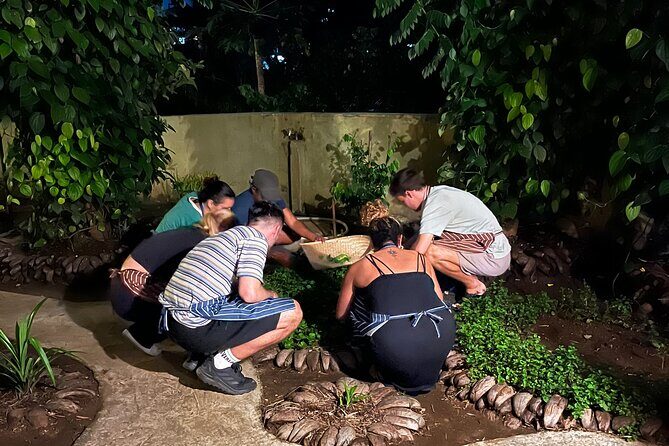
Before the cooking begins, you’ll get a guided look at the resort’s homegrown setup. The key detail here is that many of the vegetables and herbs come from the property itself, grown organically. That’s not just a nice-to-have. It usually means stronger flavor and fresher herbs, and it helps you understand the “why” behind Sri Lankan cooking.
You’ll learn about spices and plant benefits as part of this garden time. Reviews repeatedly mention how informative this part is, including explanations of what the ingredients do for you. The program also frames the cooking through traditional wellness wisdom aligned with Ayurvedic principles, linking ingredients to health and balance.
If you’re the type who enjoys turning food into knowledge, this section is where it clicks. You’ll start noticing how the same ingredient can show up in different dishes, and why certain flavors get used together.
Clay hearth cooking: techniques you can actually repeat later
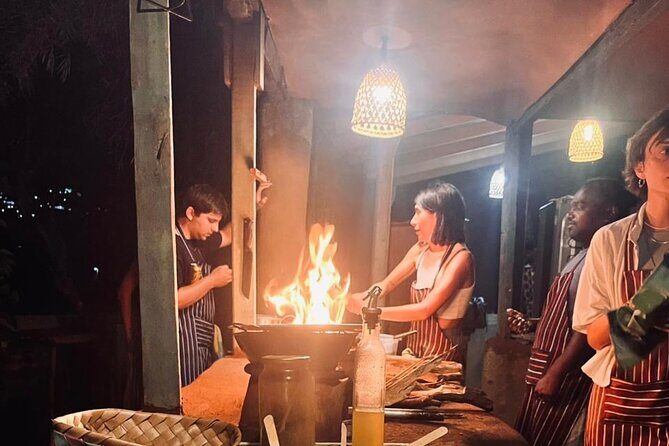
Once you’re in the cooking kitchen, the experience shifts from learning plants to learning process. You’re guided step-by-step, and the style aims to recreate how families cook at home. That means you’re not just being handed a list of ingredients and left to guess.
You’ll work with:
- Clay pots, which help create that slow-cook feel
- Coconut spoons, used in a traditional way to stir and serve
- A wood-fire stove / clay hearth cooking setup
This is also where you’ll likely notice the difference between tasting food and building it. The class focuses on timing, heat control, and how to add flavors in a way that makes the whole dish feel balanced. That’s why many people come away saying it’s the best cooking class they’ve done in the region.
One detail from the feedback that helps set expectations: several people report cooking a large number of dishes, often around 7, plus roti. That suggests you’re not doing one curry and calling it a day. You should leave with a clearer sense of how to assemble a Sri Lankan meal, not just how to follow a single recipe.
What you’ll eat: lunch, dinner, and a real Sri Lankan spread
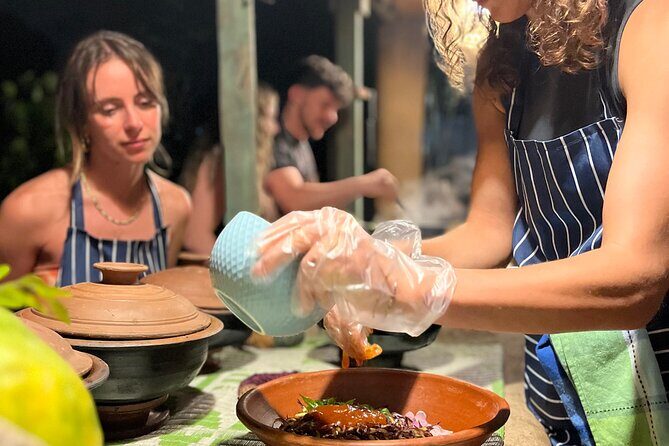
Your ticket includes lunch and dinner, and the meal content is built around traditional Sri Lankan dishes you help prepare. Expect a mix of curries and dishes that use the herbs and spices you learned about earlier. The emphasis is on fresh ingredients and classic methods, using the garden produce and traditional cooking tools.
Vegetarian and vegan options are included. That’s a big deal here because Sri Lankan cooking can rely heavily on vegetables, lentils, and herb-forward flavor. You’ll still get the full class experience, and the chef guidance should keep the meal coherent instead of turning into a random set of side dishes.
Drinks are part of the meal pace too. The class notes homemade herbal tea or iced tea, and the vibe is that of a slow, mindful break while the food cooks down.
One more thing: this setting isn’t styled like a restaurant. You’re eating food that you helped make in a home-kitchen environment. That tends to make a difference in how comfortable you feel and how much you remember, because it’s tied to the effort you put into it.
Other cooking classes in Kandy

Price and value: why $25 can make sense here
At $25 per person for about 2.5 hours, you’re paying for several things at once: instruction, ingredient access (including garden produce), traditional cooking setup, and the inclusion of both lunch and dinner.
In many places, cooking classes cost more and only feed you once. Here, you get a full eating plan, plus the teaching time and garden explanations. When you factor in the meals and the fact you’re cooking with traditional tools instead of watching a quick performance, the price looks fair.
You’re also not just buying food; you’re buying a structured way to learn. The class includes step-by-step techniques and cultural insights, including family secrets and cooking stories. That kind of context is hard to recreate on your own once you’re home, even if you find a recipe online.
Logistics to plan for in Kandy
Here’s the practical stuff that helps you go in with low stress.
You meet at Kandy Living Villa & Homestay, Maithree Mawatha, Kandy 20000, Sri Lanka. The start time is 11:00 am, and the activity ends back at the meeting point. It’s noted as being near public transportation, which is helpful if you’re not arranging a private vehicle.
The experience is private for your group only, and it uses a mobile ticket. Confirmation happens at booking time.
If you want pickup, there can be additional charges for private transportation, and the cost depends on distance and vehicle type. So if you’re on a tight budget, it’s worth deciding early whether you’ll handle your own ride to the meeting point.
Finally, keep an eye on weather. The provider states the experience requires good weather. If it’s canceled due to poor weather, you’ll be offered a different date or a full refund. Plan as if this is an outdoor-style activity, even though it’s hosted in a home kitchen setting.
Who this cooking class suits best
This is a great fit if you:
- Want a hands-on cooking experience, not a passive tasting
- Enjoy learning how ingredients work, including plant benefits and traditional wellness ideas
- Like food that’s tied to place and daily life, not only technique
- Want vegetarian or vegan-friendly options while still doing a full cooking class
It may be less ideal if you:
- Want a fully indoor, hands-off demonstration format
- Are strongly heat-averse, since wood fire and clay hearth cooking are part of the method
Should you book this Kandy cooking experience?
Book it if you want something that feels practical and alive: garden ingredients, traditional tools, and a real chance to cook your way through a Sri Lankan meal. The combination of hands-on teaching, cultural context, and the inclusion of lunch and dinner makes the value work, especially at the $25 price point.
Skip it only if you dislike getting involved with real cooking or you’re traveling on a day where weather is already looking unstable. Otherwise, it’s the kind of class that tends to give you skills you can repeat, plus a deeper appreciation for why Sri Lankan cooking tastes the way it does.
FAQ
Where does the cooking class start?
It starts at Kandy Living Villa & Homestay, Maithree Mawatha, Kandy 20000, Sri Lanka.
What time does it begin?
The start time is 11:00 am.
How long is the experience?
It lasts about 2 hours 30 minutes.
What meals are included?
The experience includes lunch and dinner.
Are vegetarian and vegan options available?
Yes. Vegetarian and vegan options are included.
Is the tour private?
Yes. It’s a private tour/activity, so only your group participates.